The Cassini Conspiracy - 2016
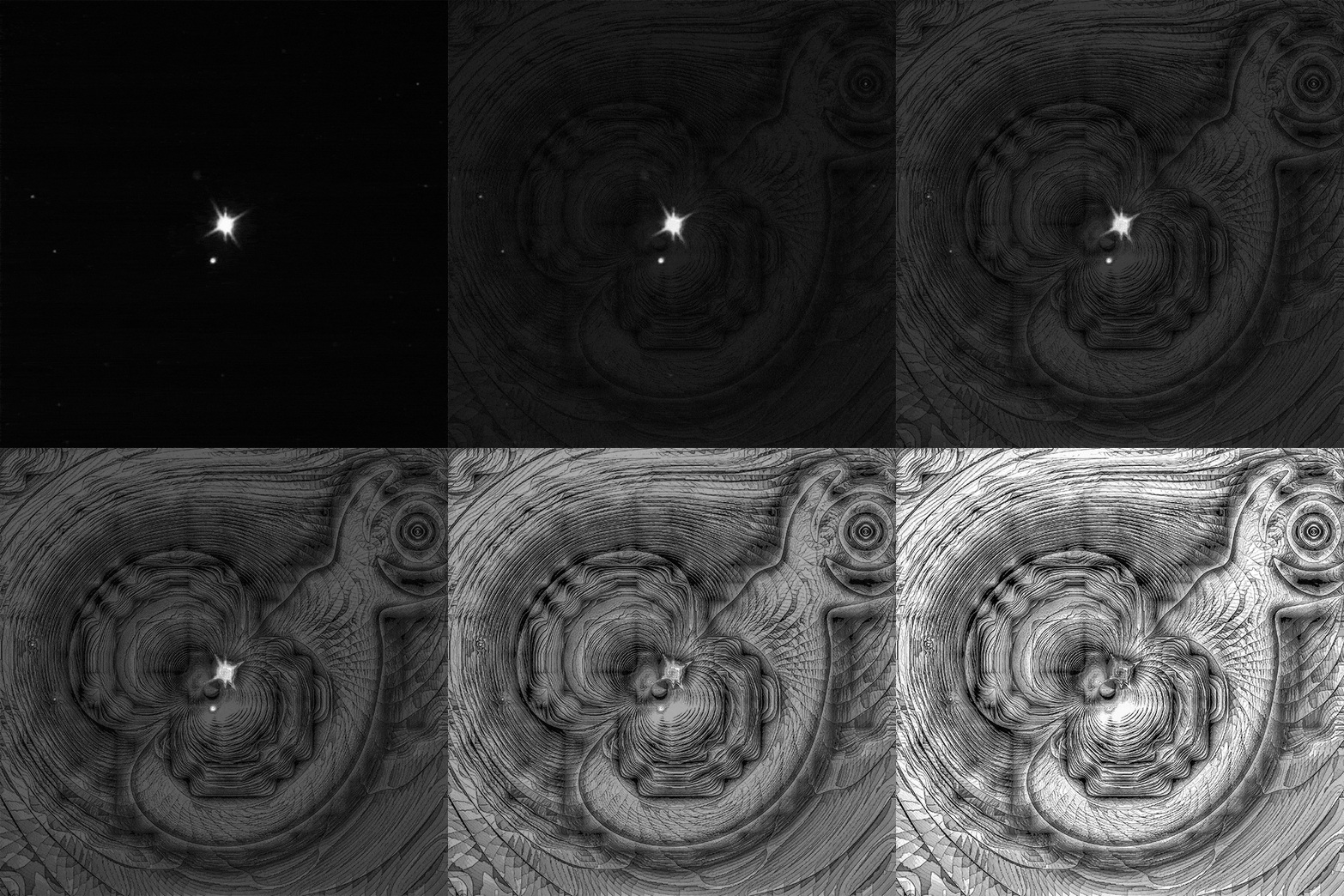
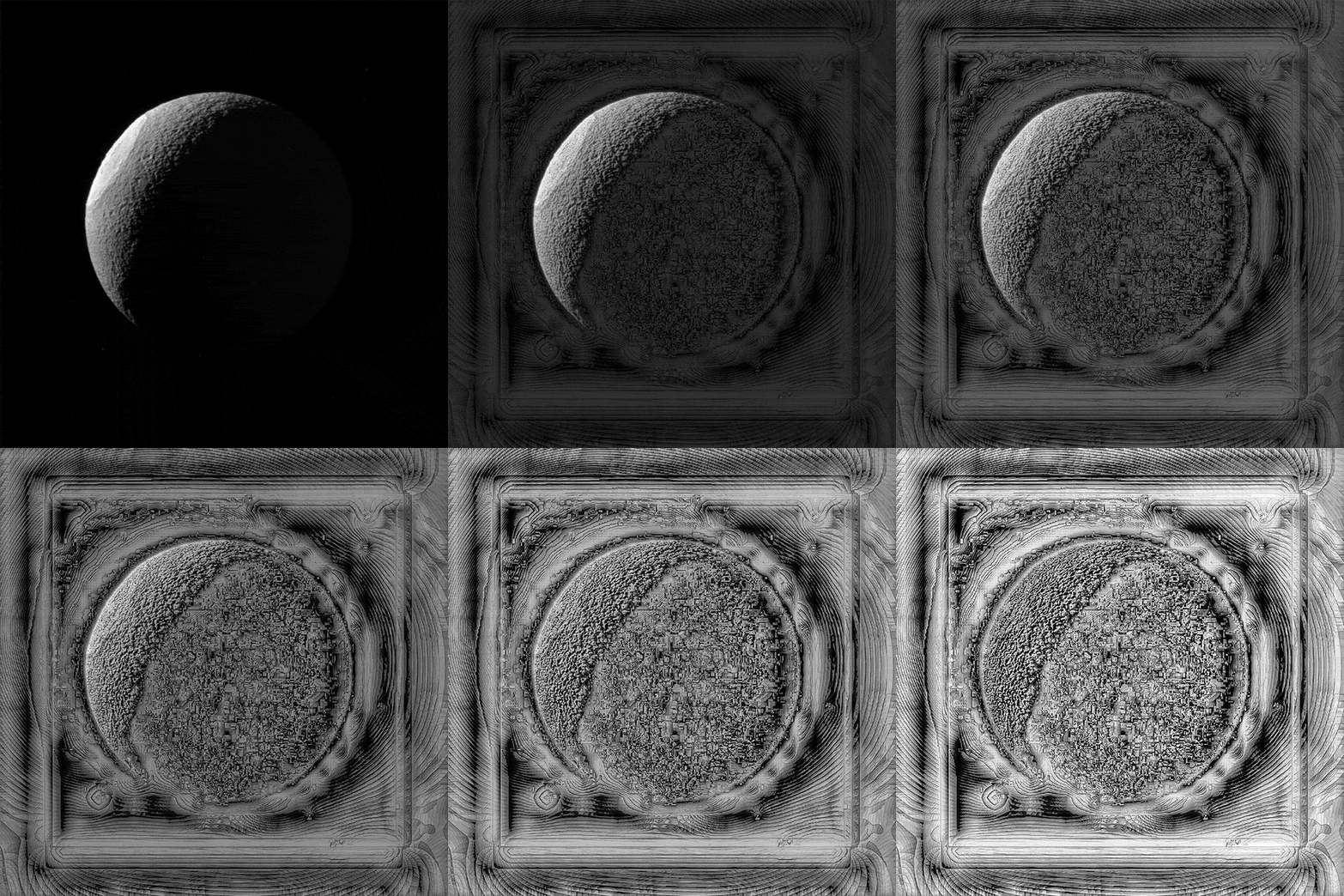
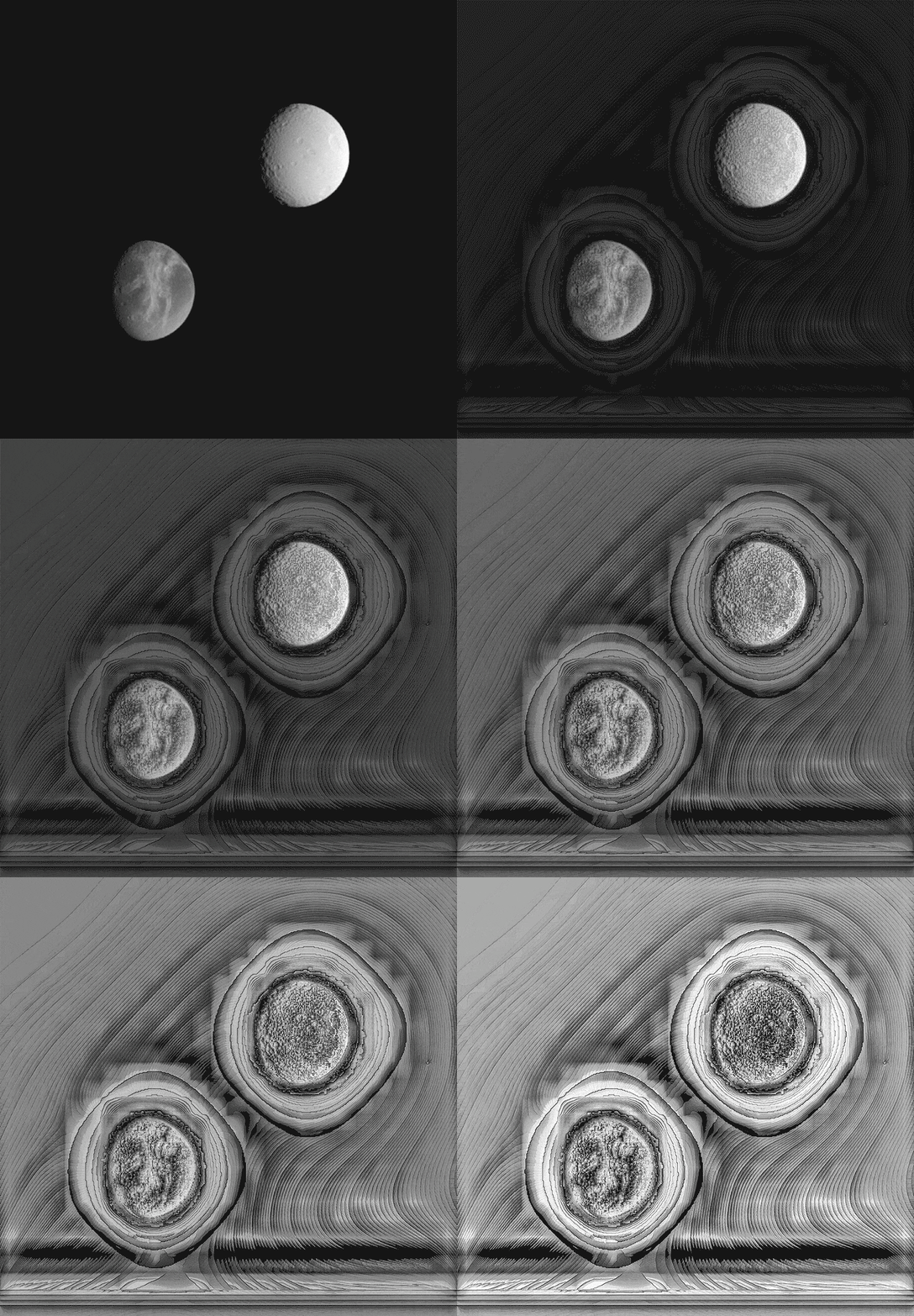
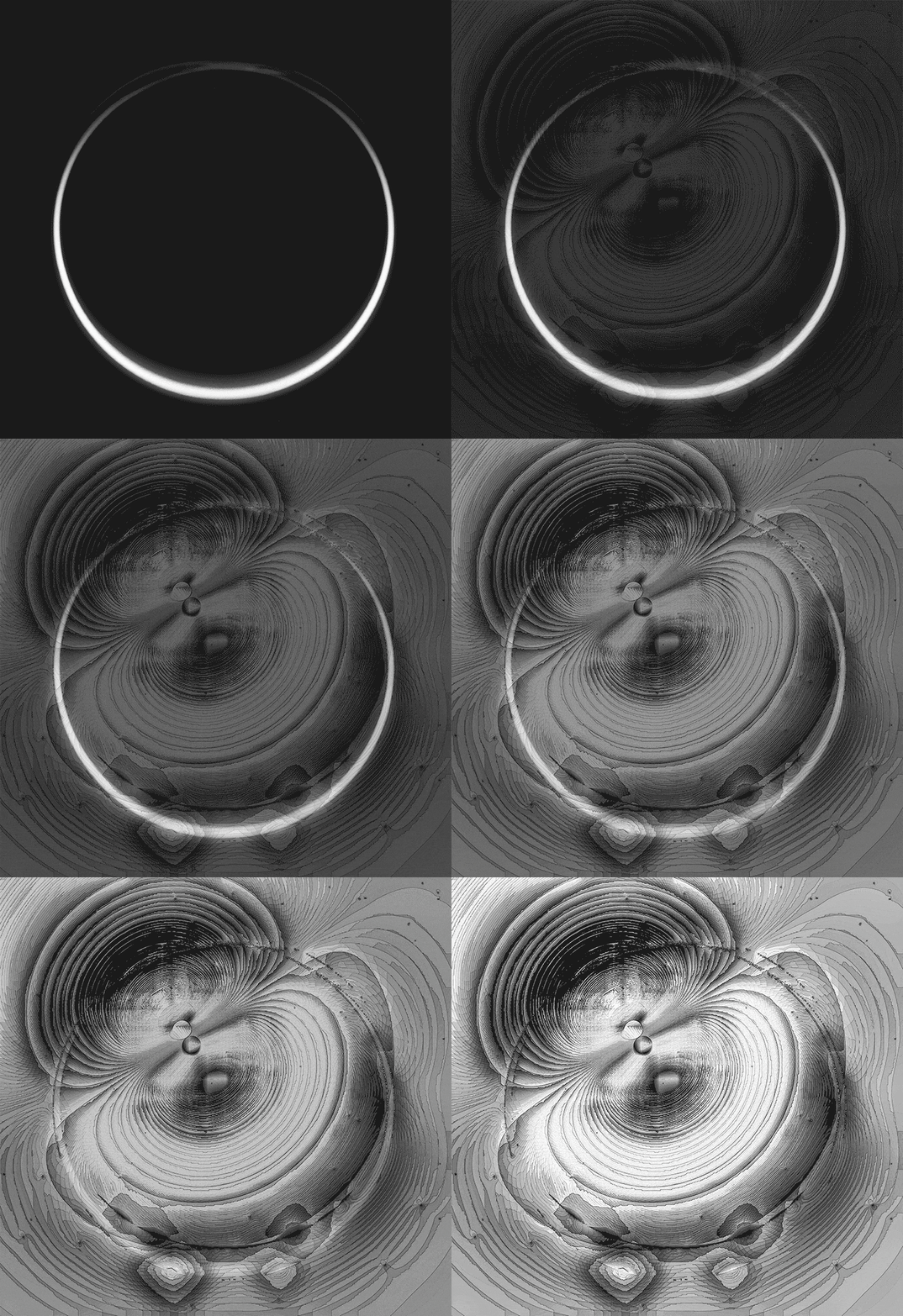
The Cassini Conspiracy began for me with a simple observation: the moment a scientific image enters the internet, it stops being scientific. NASA’s raw photographs from the Cassini–Huygens probe were created for research, shaped by careful algorithms and released as neutral data. But once they appeared online, I watched them gather other meanings. Conspiracy forums examined them obsessively, zooming into shadows, sharpening pixels, and reading compression artifacts as traces of alien ruins, hidden structures or secret messages.
I stepped into this space of restless interpretation and used the same simple gestures that conspiracy theorists use. I opened shadows, exaggerated noise and played with the digital debris of JPEG files. I was not trying to confirm or reject their ideas. I was more interested in performing the gesture itself and observing how apophenia, the human need to find patterns in uncertainty, becomes both a creative force and a symptom of how we live with images today.
The images that emerged sit somewhere between scientific record and imagined map. They suggest geological textures, cosmic turbulence or intricate surface formations, yet they remain open to interpretation. In that shifting space between certainty and speculation, The Cassini Conspiracy extends my ongoing study of the networked image, where photographs circulate, transform and collect conflicting readings over time.
By echoing the visual behaviour of conspiracy culture, the work becomes a way to reflect on how meaning appears, dissolves and reappears within the digital world. My interest is not in what the Cassini probe actually saw, but in what we want to see in the vast space between the pixel and the imagination.
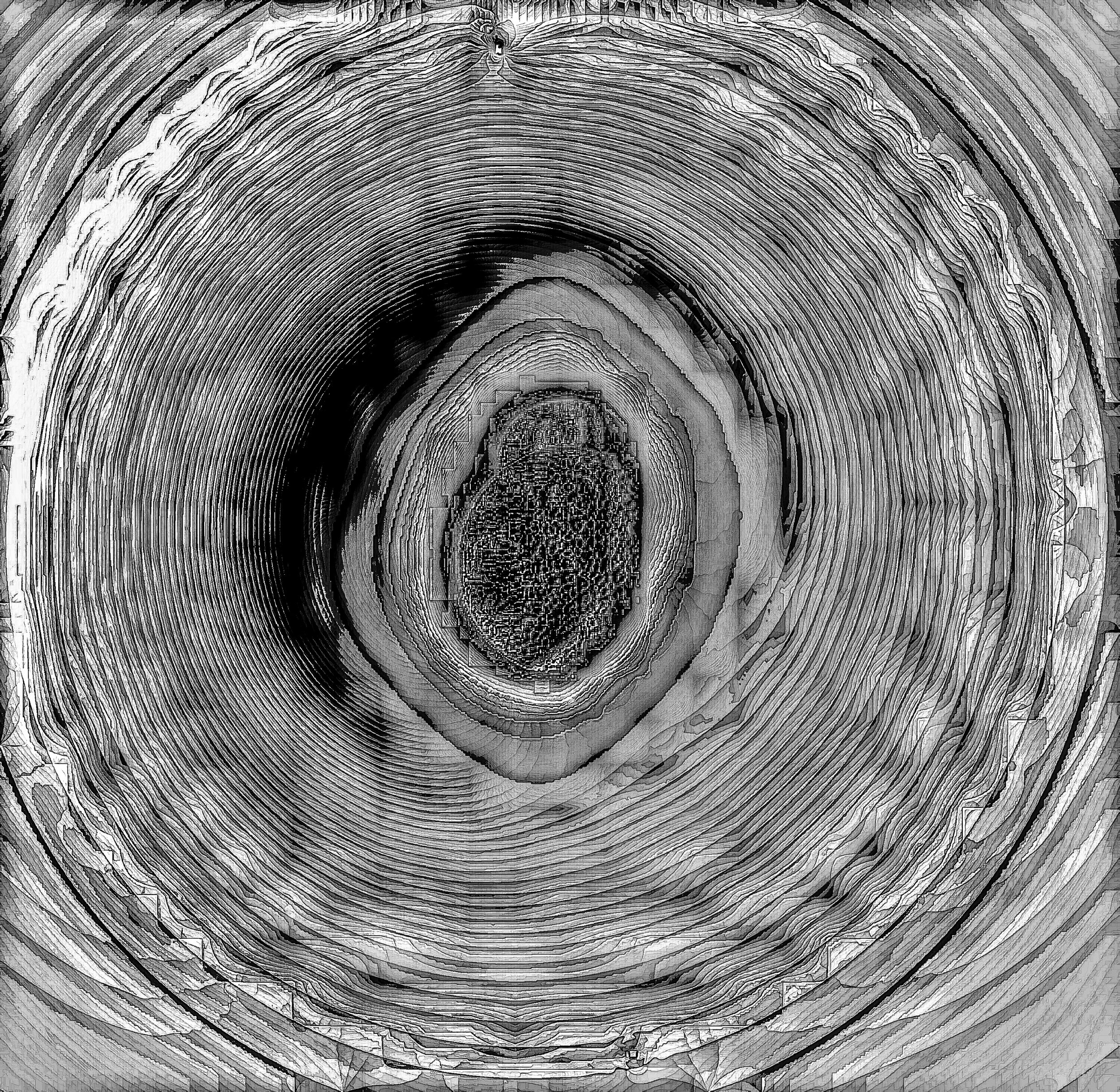
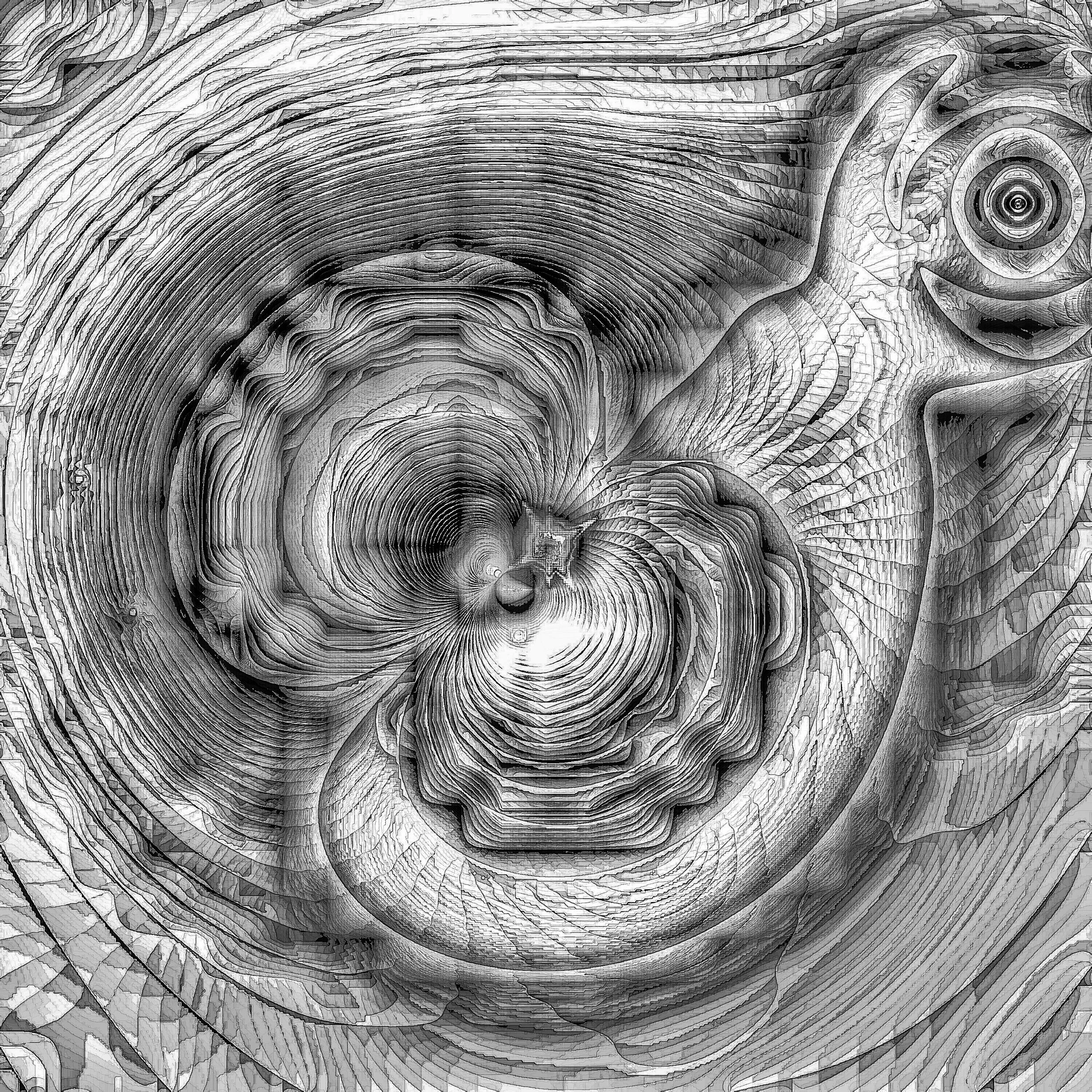
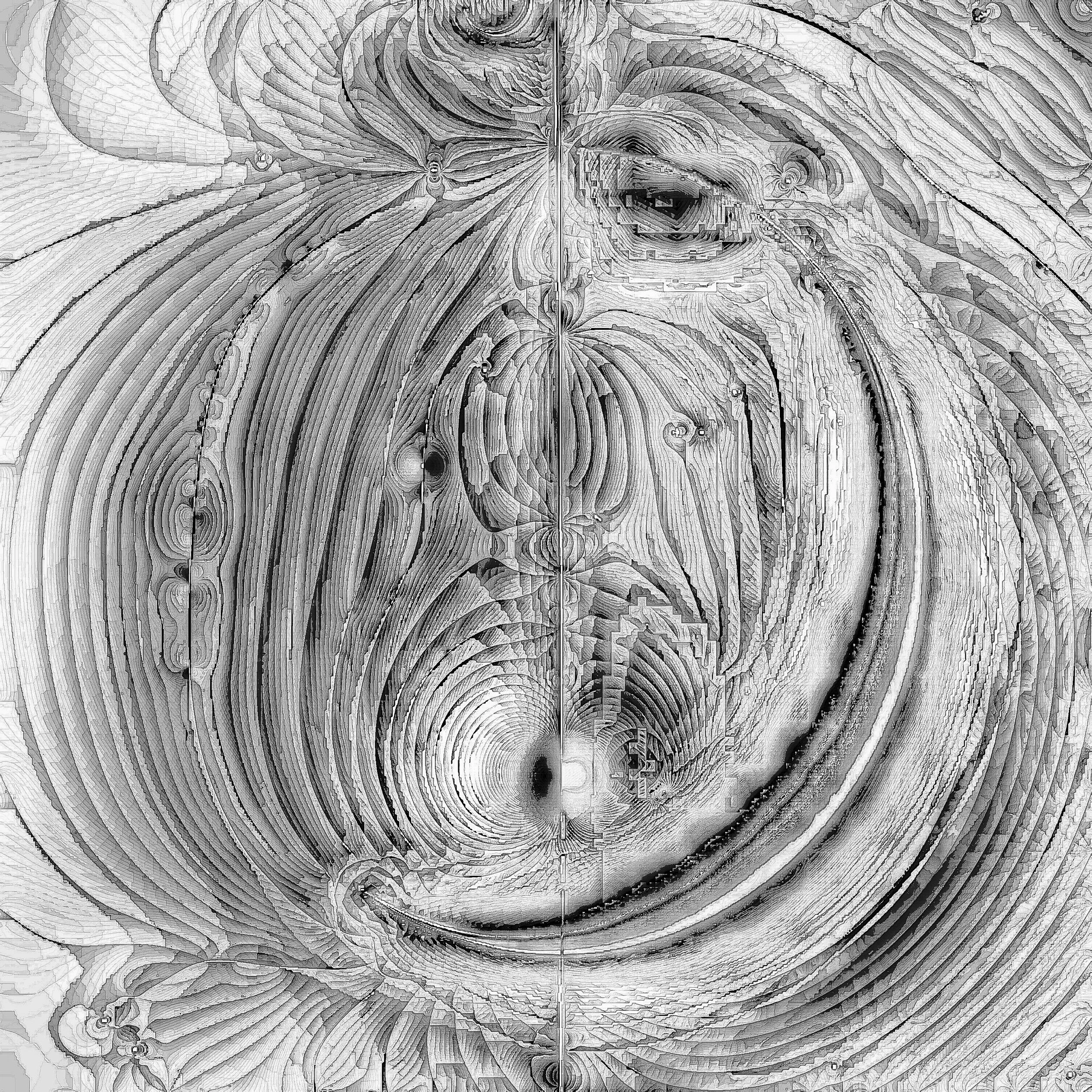
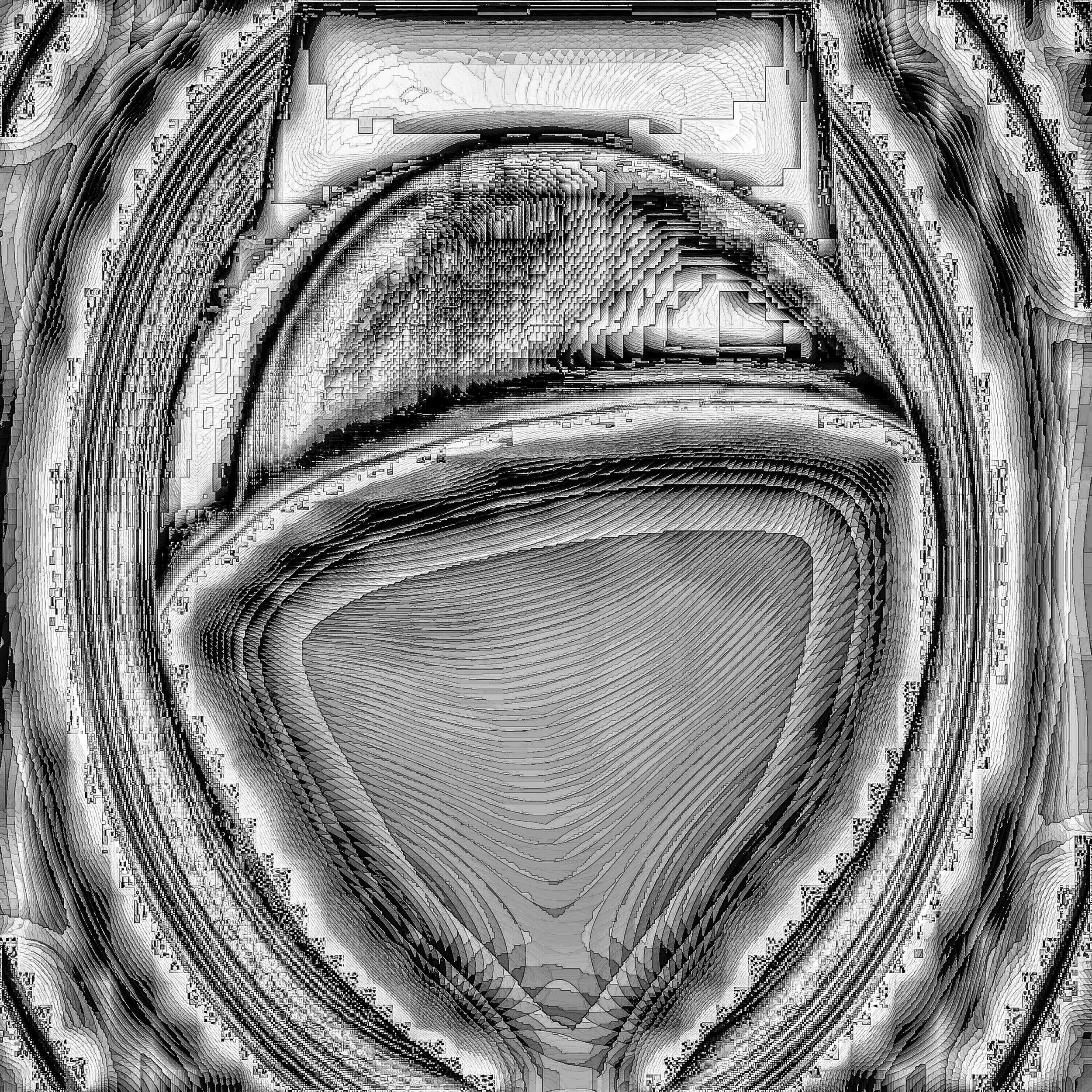
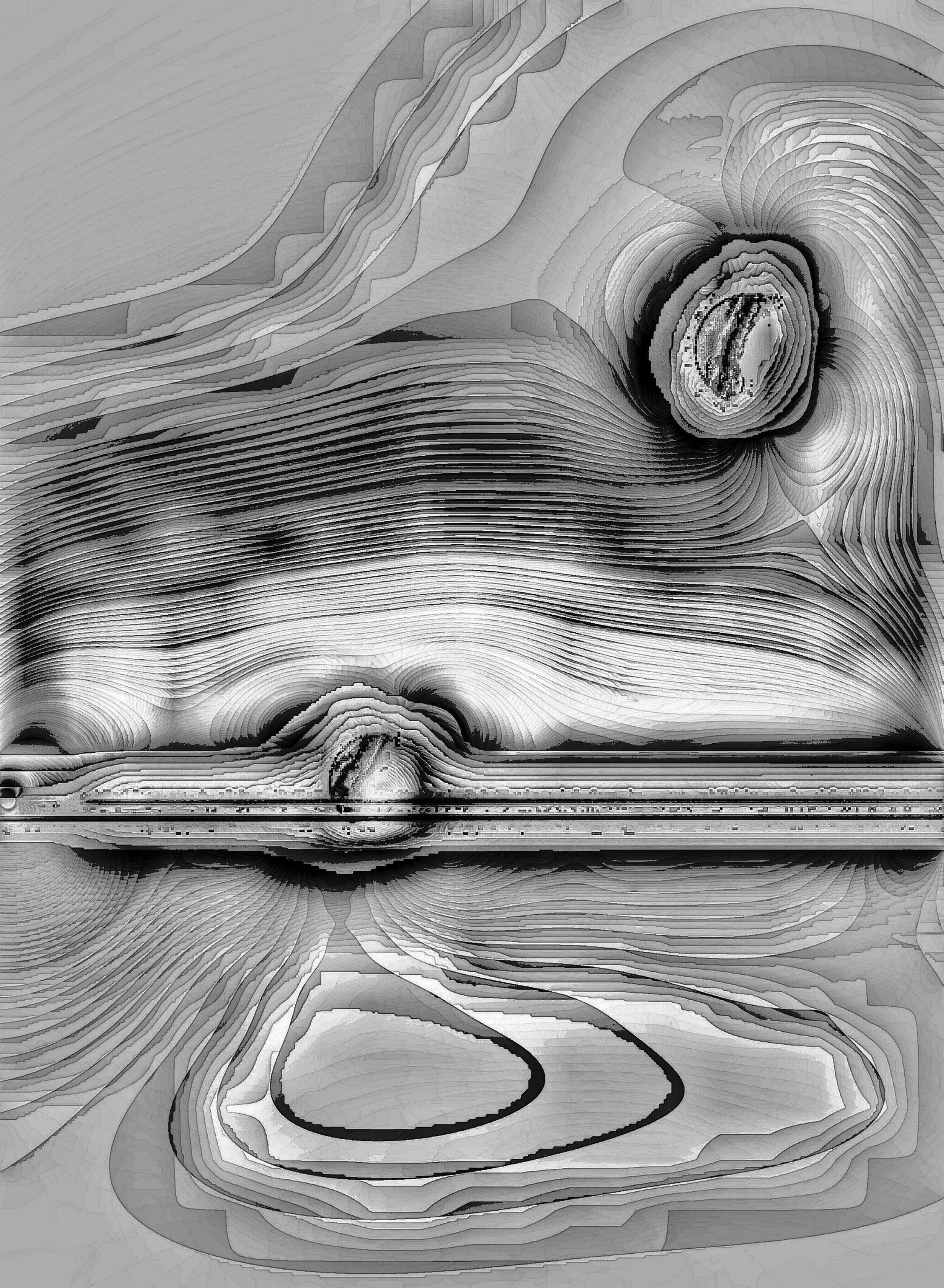
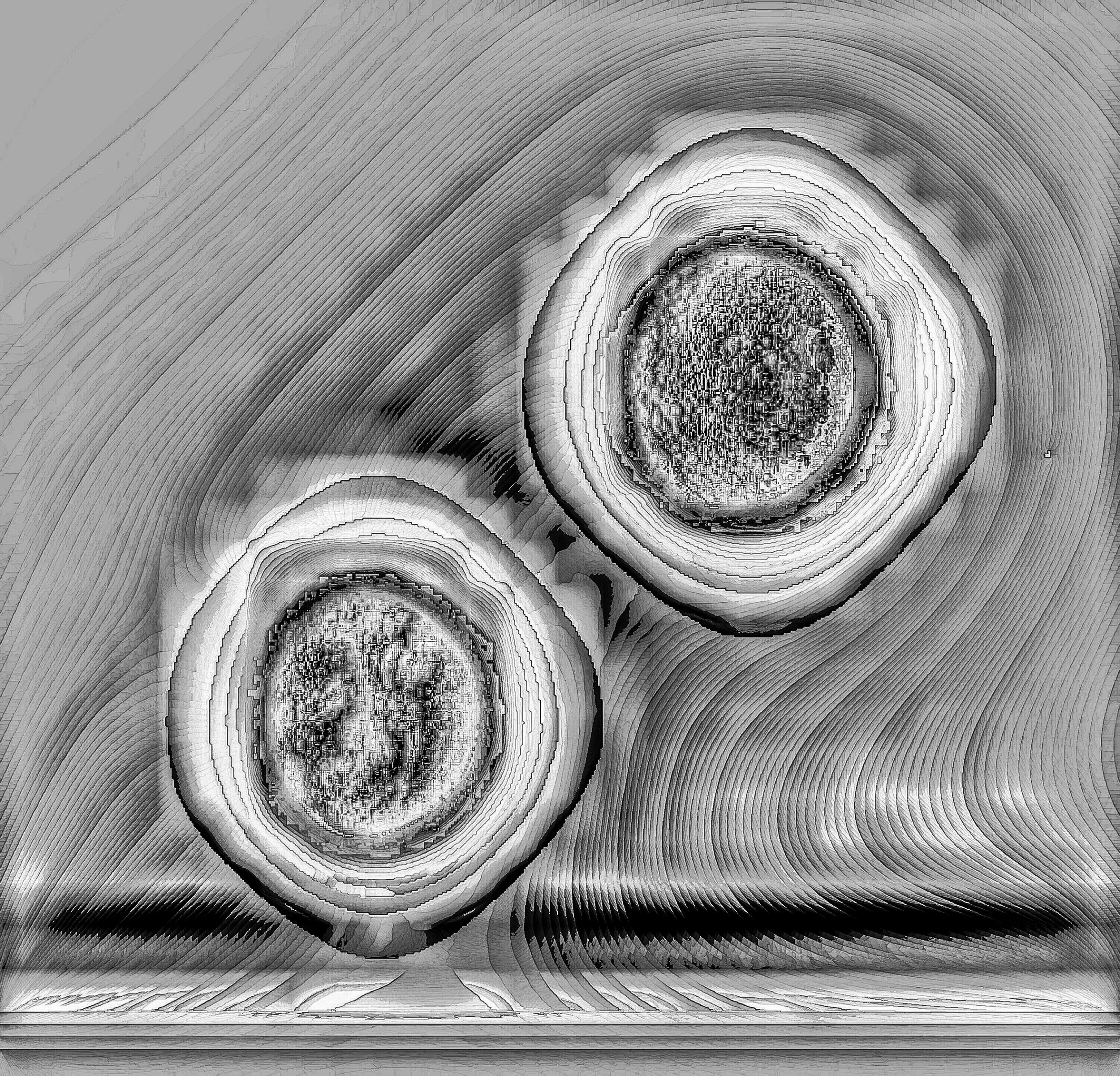
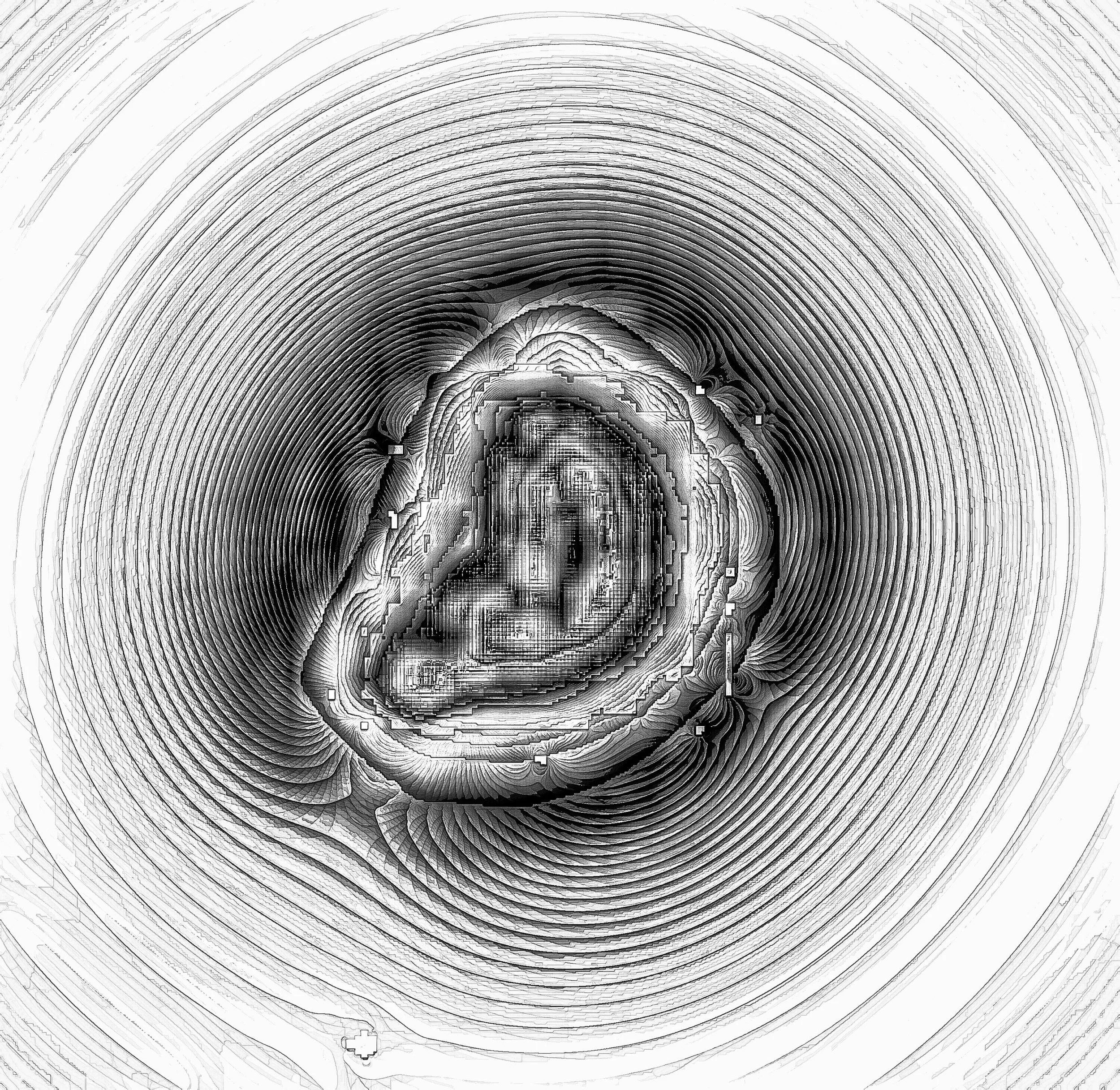
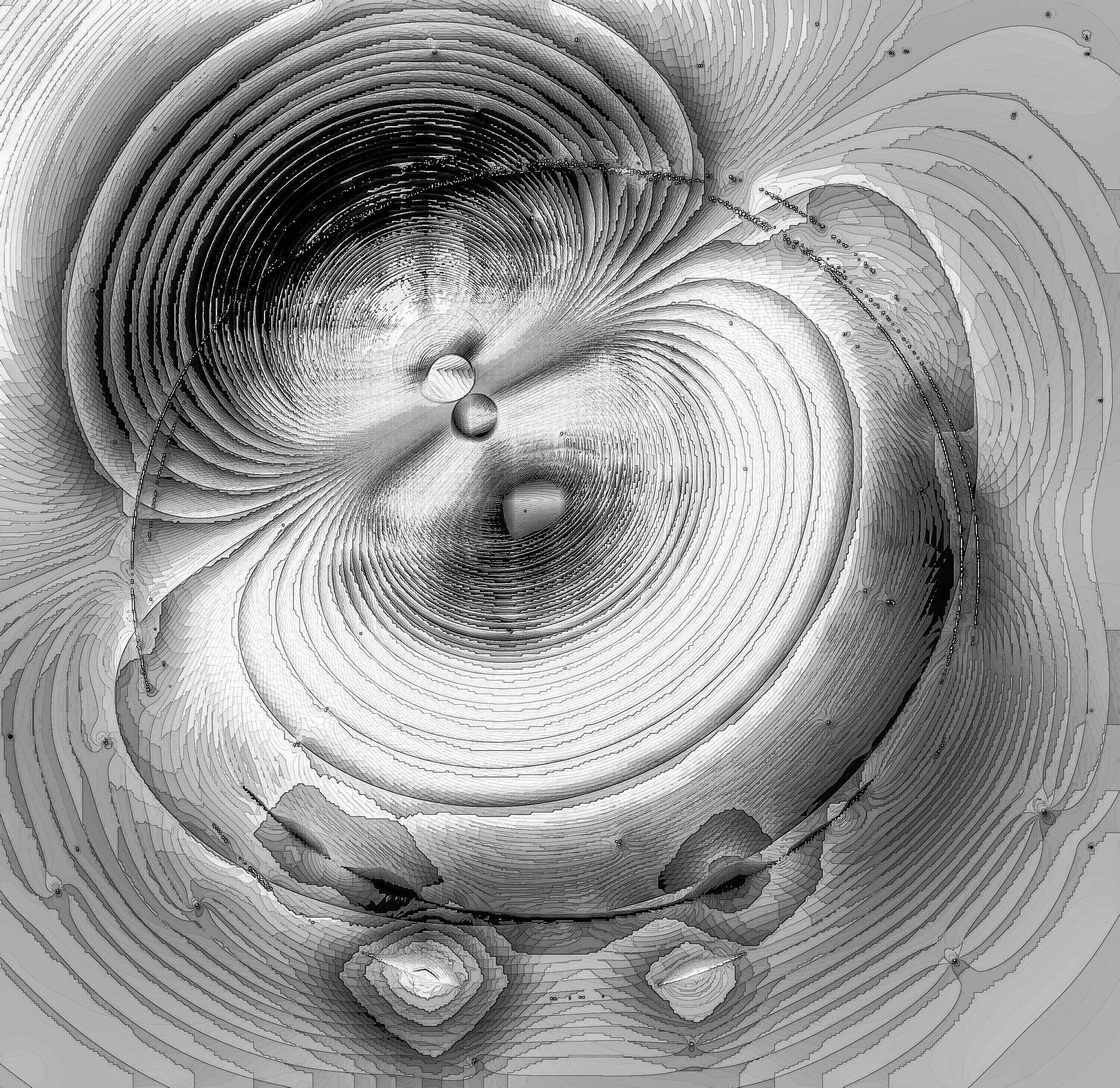
NASA Apophenia Research Archive
A selection of images where online audiences claimed to see faces, creatures, structures or hidden messages in NASA photographs.
Apophenia is the human tendency to perceive patterns in randomness. In the networked world, this tendency expands dramatically. Scientific images released by NASA are reinterpreted, scrutinised and transformed into myth. This archive gathers some of the most widely circulated examples, forming a small atlas of how meaning appears and mutates within digital culture.
Each example below shows the original NASA photo and the projected interpretation that circulated online.
1. The Mars Face (Viking Orbiter, 1976)
A low resolution mesa on Mars was interpreted as a giant carved human face. Later high resolution images revealed a simple hill, yet the original photograph continues to fuel decades of speculation.
2. The Mars Bigfoot (Spirit Rover, 2007)
A small rock on a slope was read as a humanoid figure walking or sitting. The grain of the image and the oblique shadow created a surprisingly strong illusion.
3. The Mars Woman Statue (Curiosity, 2015)
A standing rock formation resembling a robed female form was treated online as evidence of an ancient statue.
4. The Martian Donut (Opportunity, 2014)
A bright rock that appeared suddenly in front of the rover triggered claims of manipulation. In reality the rover wheel had flipped it.
5. The Mars Mouse (Curiosity, 2014)
A small cluster of rocks was interpreted as a mouse or lizard. The image spread widely because of its playful resemblance to a familiar creature.
6. The Nefertiti Head (Curiosity, 2015)
A naturally fractured stone read as the sculpted profile of an Egyptian queen. The interpretation reveals how cultural memory shapes apophenia.
7. The Floating Spoon (Curiosity, 2015)
A thin curved rock formation looked like a levitating spoon. The illusion worked well at small scale and became a viral curiosity.
8. The Dinosaur Skull (Curiosity, 2012)
Rock shadows created the impression of a fossilised skull. This example shows how strongly the mind searches for biological forms.
9. The Mars Crab Creature (Curiosity, 2015)
Cracks and shadows produced a radial shape interpreted as a crab-like organism emerging from a cave opening.
10. The Martian Rabbit (Opportunity, 2004)
A dark patch on the ground with light highlights was circulated as a rabbit-like shape. It inspired playful and serious interpretations alike.
11. The Lunar Shard (Apollo Mission, 1967)
A tall vertical shadow was interpreted as an artificial tower on the Moon.
12. The Lunar Bridge (Apollo, 1969)
A natural arch or image artifact appeared like an engineered structure joining two rock formations.
13. Saturn’s Hexagon (Cassini, 2013)
The hexagonal storm at Saturn’s north pole created speculation about artificial or mechanical origins. Its mathematical clarity continues to fascinate.
14. Jupiter Faces (Juno, 2018)
Cloud patterns in Jupiter’s atmosphere often resemble eyes, masks or skulls, especially after processing by citizen scientists.
15. Pluto’s Heart (New Horizons, 2015)
A bright region on Pluto was instantly named the “heart,” creating symbolic readings that overshadowed the scientific description.
These examples form a parallel history of space exploration. They show how every scientific image carries two lives: one shaped by data and physics, and another shaped by desire, imagination and the hunger for meaning. They reveal the cultural landscape in which The Cassini Conspiracy was created.
The Pattern Dreamers: NASA Images and the Apophenic Imagination
When I began working with the Cassini images, I was drawn not only to their scientific beauty but also to what happened to them after they were released. The moment a NASA photograph enters the network, it acquires a second life. It becomes a surface for speculation, desire and projection. A simple shadow becomes a rabbit, a jagged rock becomes a statue, a compression artifact becomes a doorway into an unseen world. These transformations are not errors. They are symptoms of how we inhabit the digital realm.
The long history of apophenic readings of NASA images reveals a deep cultural impulse. The Mars Face of 1976, the Bigfoot silhouette, the floating spoon, the Martian skull, the hexagon on Saturn or the drifting forms in Jupiter’s storms all come from the same gesture. Faced with ambiguous data and low resolution imagery, the mind seeks familiarity. In an environment where information is overwhelming and algorithms operate invisibly, the act of interpretation becomes instinctive and expressive. These pseudo discoveries are attempts to stabilise uncertainty with imagination.
My project The Cassini Conspiracy grows from this fragile encounter between data and desire. I worked with NASA’s raw photographs in the same manner that conspiracy forums work with them. I opened the shadows, sharpened the details and amplified the artifacts. I did not search for secrets. I wanted to inhabit the same tension that fuels these interpretations. The process felt closer to drawing than to analysis. It allowed the image to drift between clarity and suggestion, between science and hallucination.
In collecting and reflecting on these apophenia cases, I see a shared psychological landscape. Every example shows a recurring drama: a scientific image becomes a container for myth. The network accelerates and multiplies these readings until they take on a life of their own. In this sense, apophenia is not only a cognitive bias. It is an aesthetic phenomenon. It reveals how meaning is produced in the digital age, not through certainty but through oscillation. A photograph becomes a site of negotiation between what is present in the data and what we project onto it.
The Cassini Conspiracy belongs to this space. The finished images resemble cosmic terrains, geological strata or intricate structures, yet they resist stable interpretation. They echo the same desire that drives viewers to find faces, creatures or architectures in NASA’s archives, while also exposing the fragility of these visions. For me, the work is less about what Cassini actually saw and more about what we are capable of imagining when confronted with the vast unknown. It is a portrait of the networked mind, forever drawing patterns on the surface of the cosmos.