
Unnisbis is a creative studio exploring generative art
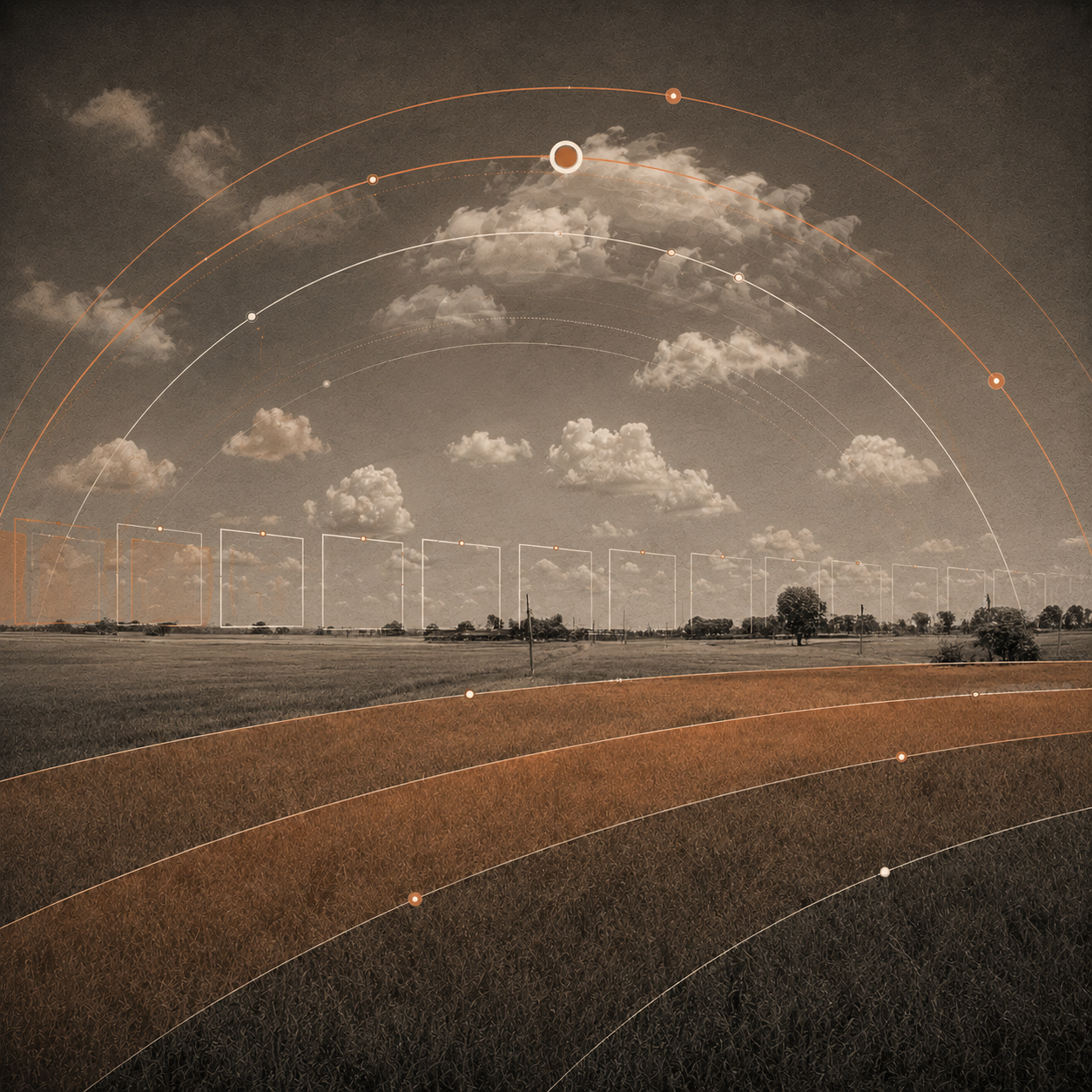
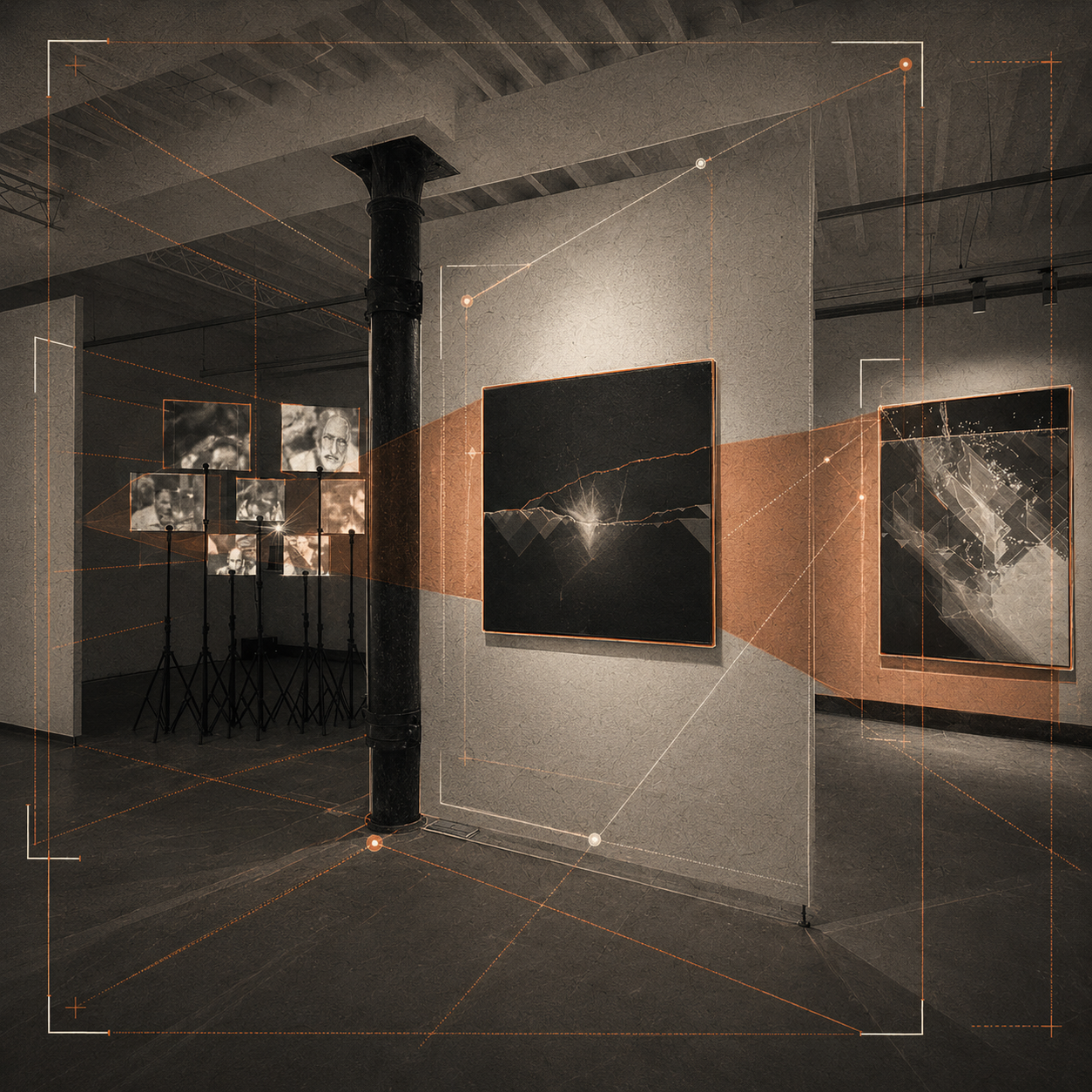
The Rhetoric of the JPEG, 2019, Archival Print on Canvas - Generative Art by Fabien Charuau
Our name comes from the Hindi phrase “unnis-bees ka farak” , the tiny difference between 19 and 20. We now live in a statistical world, away from old determinism. AI generation, especially diffusion, begins with noise and works its way towards order, always getting close to reality, but never fully there. At Unnisbis, we embrace that space, narrowing the gap until the difference is almost invisible, close enough to feel real, yet always carrying its own poetry.
The PROCESS❊
-
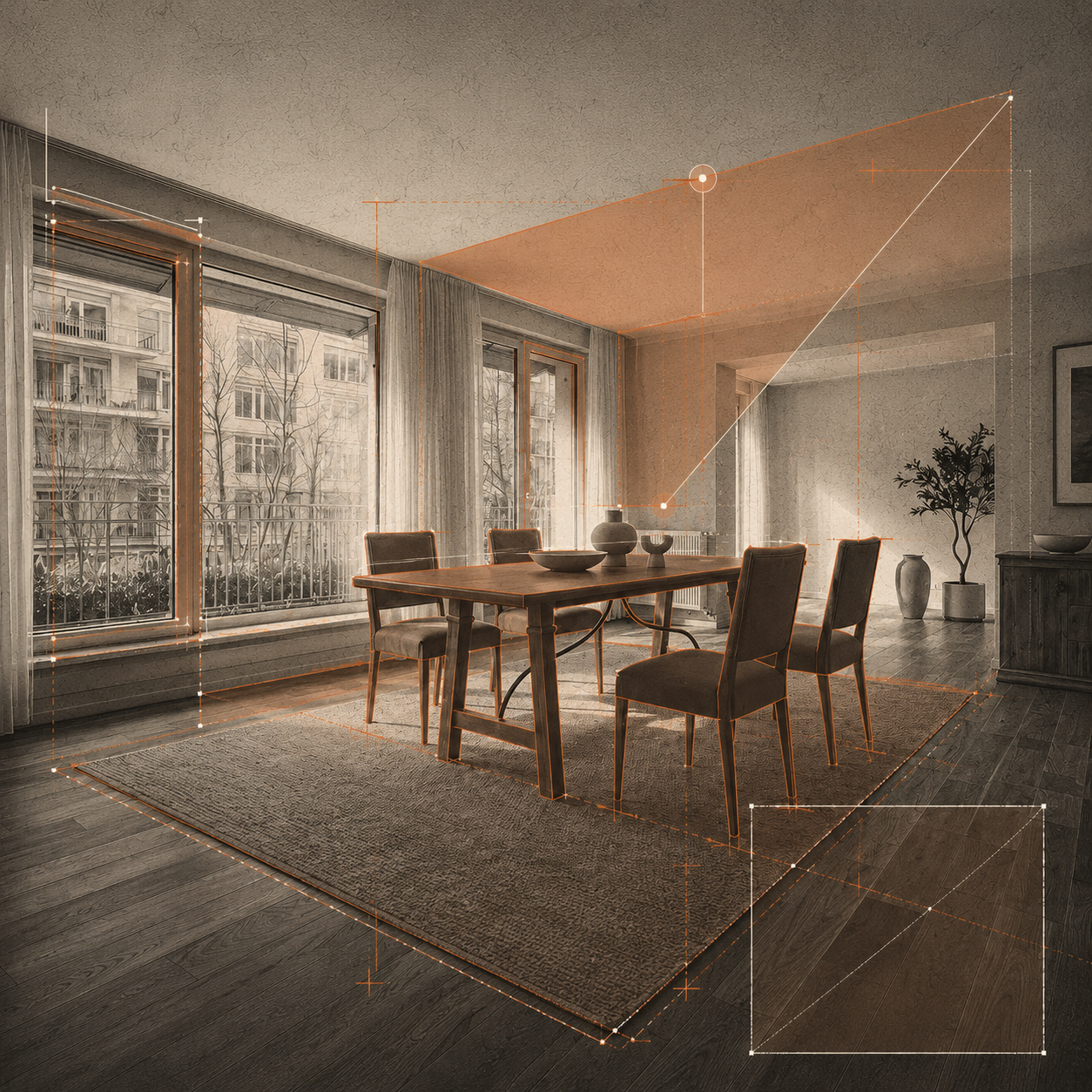
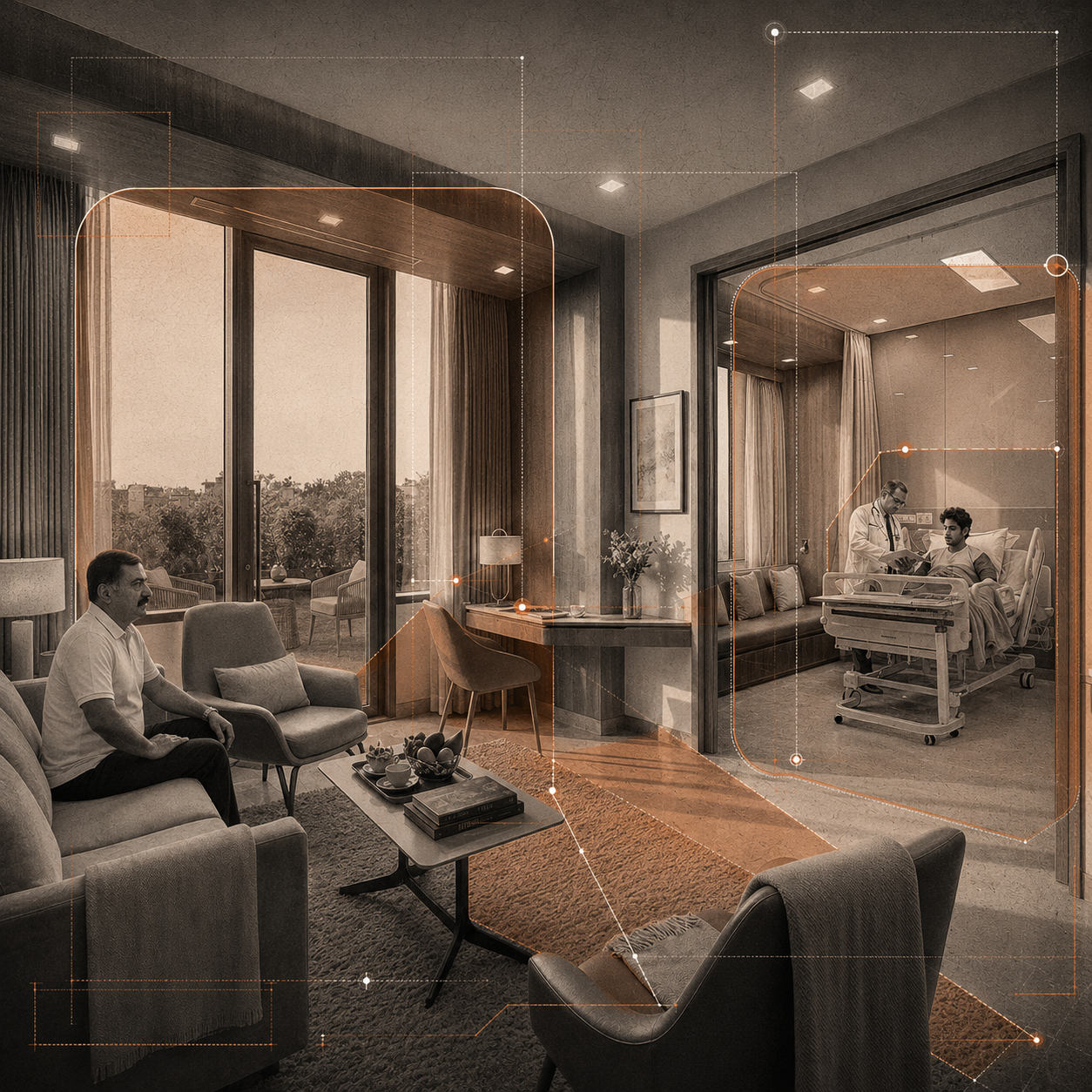
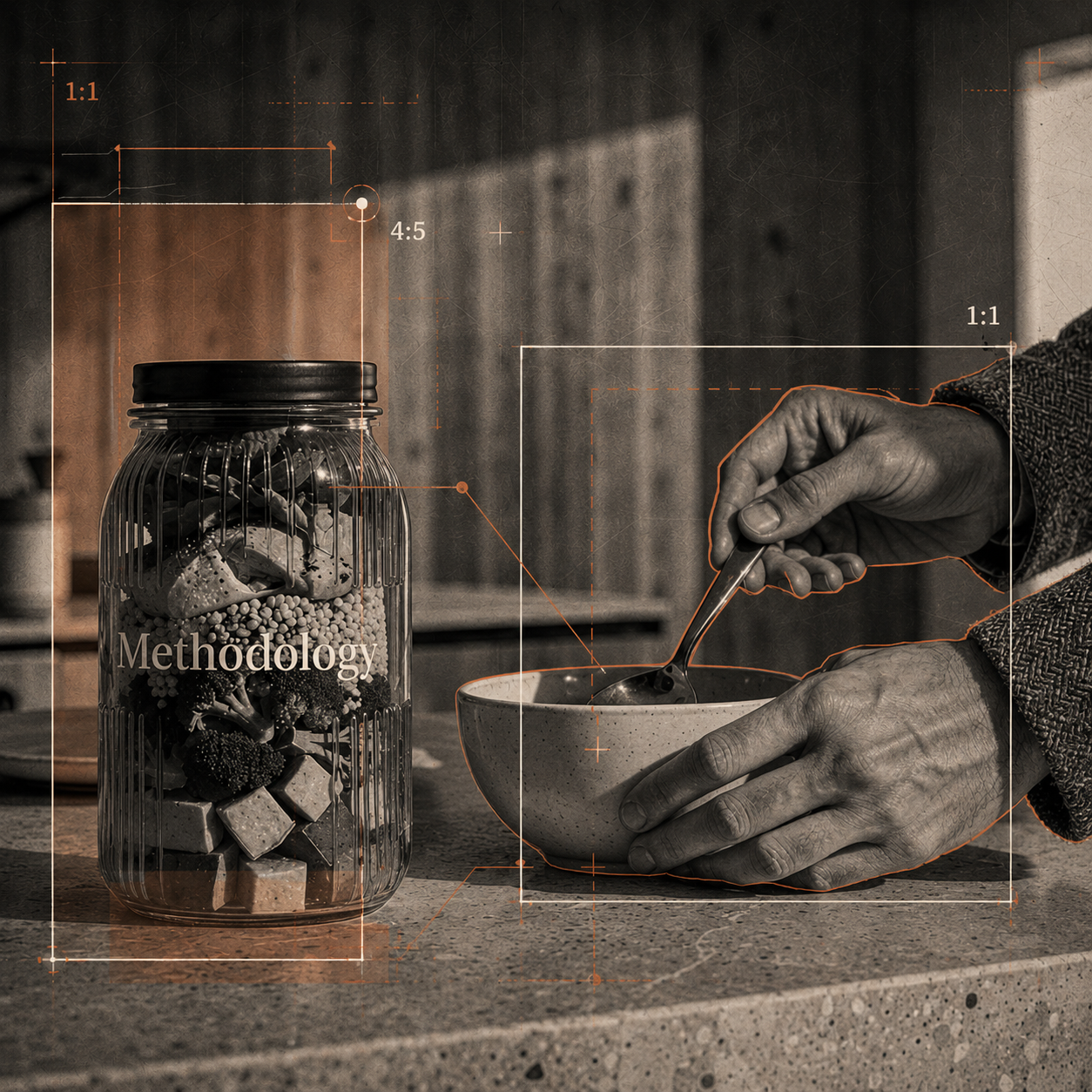
Unnisbis.ai is grounded in the idea of subtle difference. It approaches images not as flawless copies of reality, but as constructions that exist in the narrow zone where something feels almost real while still carrying ambiguity, interpretation, and invention. For the studio, that threshold is not a shortcoming to eliminate, but the precise space where artistic meaning takes shape.
-
Unnisbis.ai embraces the noise, irregularities, and unexpected deviations that emerge within generative systems. These are not treated as flaws to be corrected at all costs, but as part of the medium’s own expressive language. Much like grain in photography or gesture in painting, these imperfections give the work texture, character, and unpredictability, allowing chance to become an active creative partner rather than an obstacle.
-
For Unnisbis, AI is not a gimmick, nor simply a tool for efficiency, but a legitimate artistic discipline in its own right. Just as photography once had to assert itself as an art form, generative practice must also be understood as a medium with its own grammar, materiality, and possibilities for expression. The studio positions its work within that lineage, treating AI as a serious field of contemporary image making capable of standing alongside photography, painting, and cinema.
-
At the same time, Unnisbis.ai is grounded in craft. Its work is not about surrendering to spectacle or accepting whatever the machine produces, but about guiding complex systems with human judgment, aesthetic discipline, and technical control. The aim is to move beyond cliché and surface-level novelty, shaping images that feel precise, emotionally resonant, and convincingly real, while turning the logic of code and computation into something poetic.
Generative Art: Bodies of Work
Send Some Candids is a two-part work exploring voyeurism, circulation, and the violence embedded in everyday images. The project began with a public presentation of found mobile phone photos of women taken without consent, collected from Indian forums. In the second phase, these images were processed through a loop of re-recording and digital decay, eventually dissolving into abstract forms. Layered with voice fragments from the original forums, the work reveals how technology, aesthetics, and power quietly converge.
…more..
Being Seen Trying is a room-scale video installation built from online darshan footage, where devotees connect to ritual through screens. Using face-recognition software, the work fragments these faces into pixelated images projected onto panes of glass, isolating individuals within the collective. Echoing darshan’s promise of seeing and being seen, the piece explores how prayer, presence, and visibility are reshaped by digital mediation.
…more..
A Thousand Kisses Deep is a generative art series written in Java. Around ten years ago, images of couples kissing began to appear widely on Indian social media, signalling a shift toward new forms of intimacy in public space. I gathered these photographs as raw material, seeing them both as personal gestures and cultural markers of change.
The images were processed through an algorithm based on a function that calculates the “energy” of each pixel. Repeated across hundreds of thousands of iterations, the figures dissolve and the kiss emerges instead as a field of intensity. What remains is not depiction but force, a poetic transformation of intimacy into code that celebrates how desire finds new shapes in the digital.
…more..
The Cassini Conspiracy reworks raw images from NASA’s Cassini–Huygens probe. Borrowing the methods of conspiracy theorists who see hidden forms in pixels, the project embraces apophenia: our tendency to find patterns in noise. By sharpening, opening shadows, and exposing artifacts, the work turns random data into a space for projection, where delusion and creativity share the same ground.
…more..
The Rhetoric of the JPEG series takes its cue from Roland Barthes’ Rhetoric of the Image but shifts the focus to the digital file itself. The project works with random image searches built from strong keywords, then applies a scripted series of operations in Photoshop with the aim of exposing the underlying structure of JPEG compression. What emerges is not only an image but the rhetoric of the format — its blocks, its noise, its hidden grid. Instead of transparency, the JPEG insists on its own materiality, showing that even the most common file type carries an aesthetic and a politics of vision
…more..
Consultancy Work
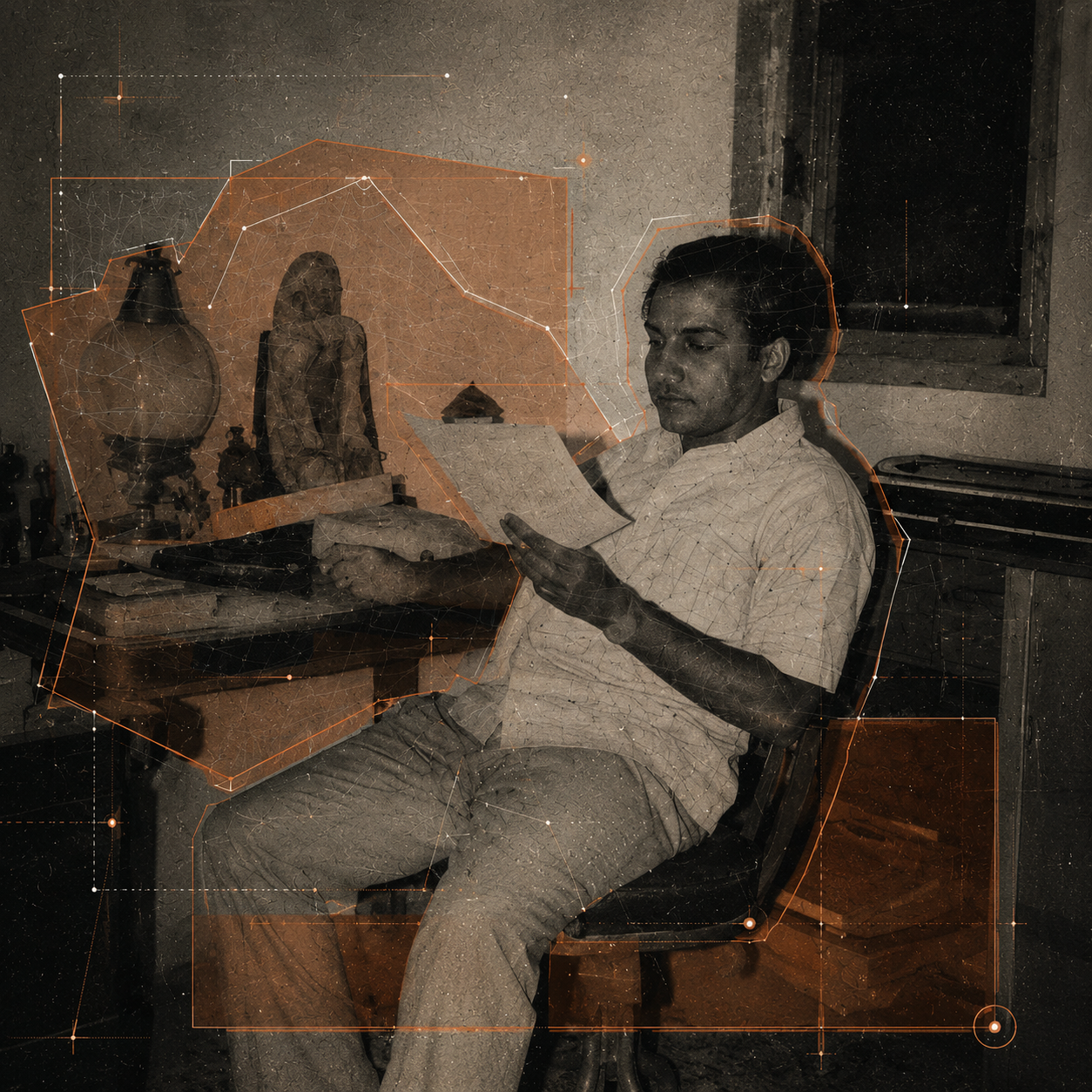
We restore archival prints that survive only as damaged photographs, using a hybrid workflow that blends AI reconstruction with precise manual correction. Dust, scratches, burned highlights, blocked shadows, and age-related colour shifts are rebuilt through controlled generative processes, then refined by hand to maintain the authenticity of the original print. This approach allows images with no surviving negatives to be stabilised, re-balanced, and prepared for high-quality reproduction in books, exhibitions, and long-term archival use.
…more..
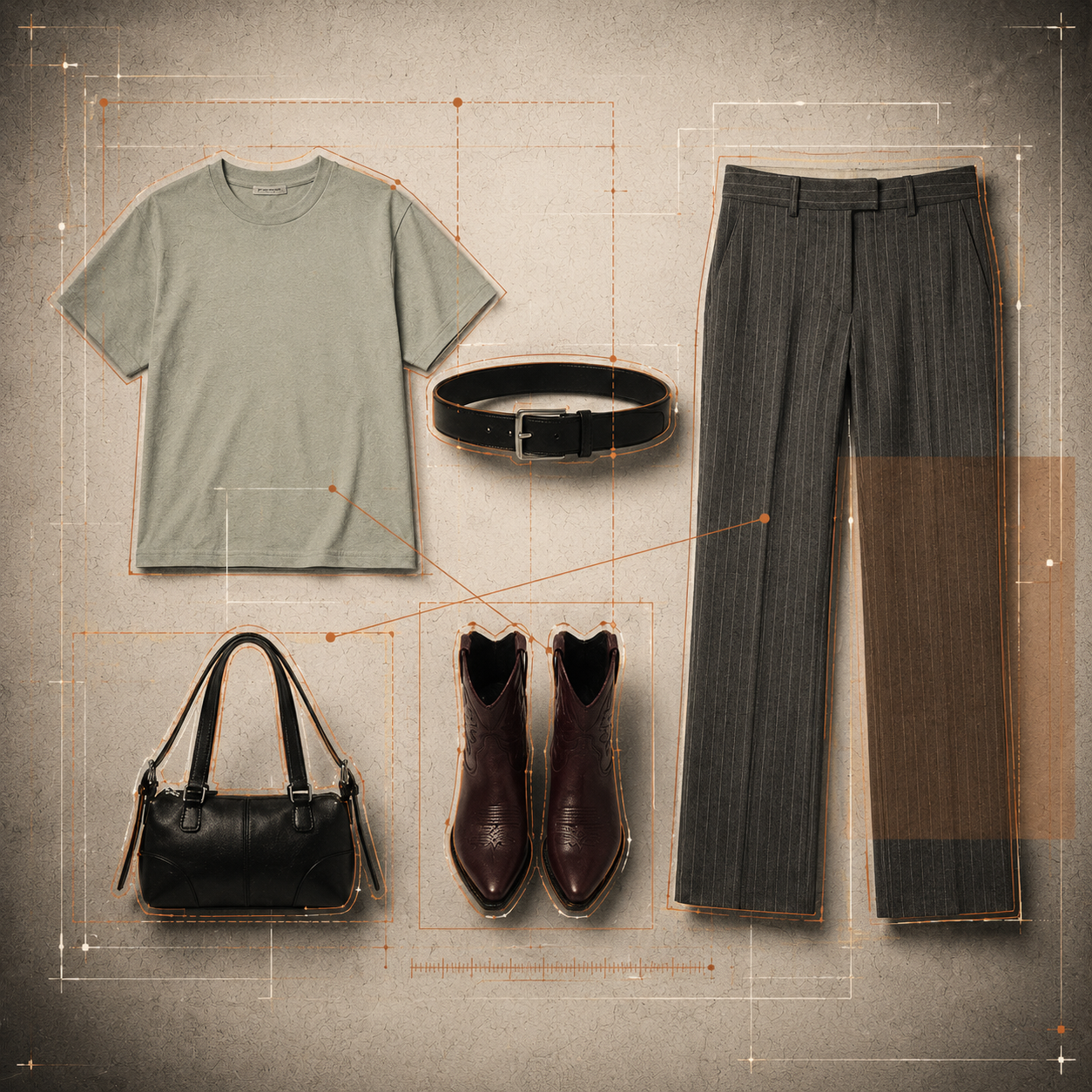
Generative Catalogs is our approach to creating catalog visuals that remain faithful to the original garments, styling, and overall look while building a strong and specific visual world for each brand. The goal is not to produce generic AI fashion imagery, but to generate images with the right aesthetic language, lighting, mood, and atmosphere so the catalog feels both accurate and fully aligned with the brand’s identity. Because the process is generative, the visual system can keep expanding as the catalog develops, allowing consistency and variation to grow together.
…more..
AI Social Content is Unnisbis approach to producing brand consistent stills and reels on a repeatable cycle, with a controlled visual language that can evolve without losing coherence. Rather than generating isolated posts, the system is built to create fresh social media content with the right aesthetic, mood, framing, and continuity for each brand, while making it possible to test variations, refine direction from one cycle to the next, and scale output without restarting production every time.
…more..
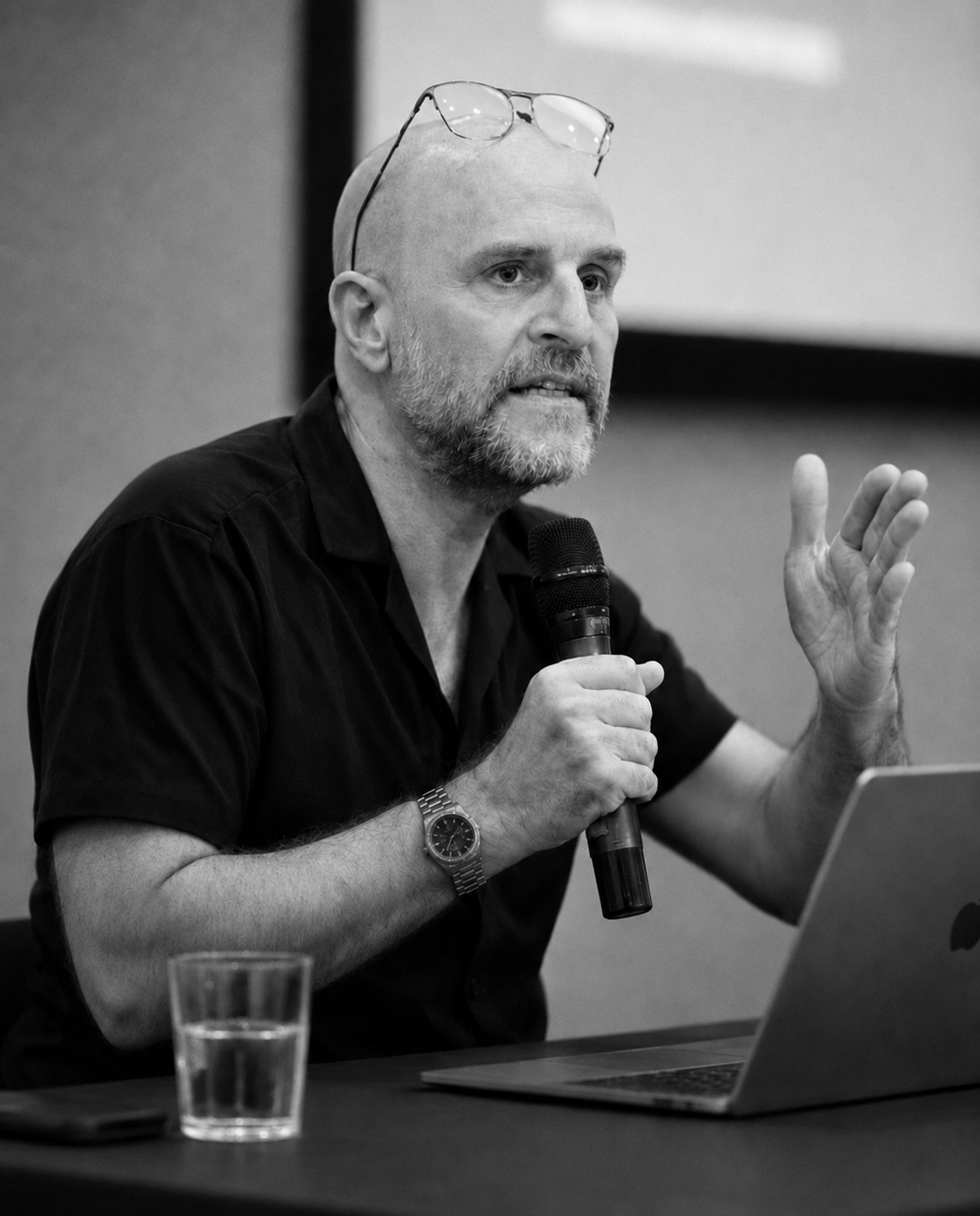
Founder - Fabien Charuau
Interview for the online magazine Matter - 2022
My work spans photography, writing, and generative art. I began reflecting on the nature of images long before AI, and today I bring that depth into practice with AI processes that generate, refine, and reimagine images. Alongside making, I teach and speak about generative AI, exploring how technology is reshaping visual culture and artistic practice.
Article written for the scholarly anthology “Photography in India” published by Bloomsbury in 2020
Solo Show at Chatterjee & Lal - 2015
My projects have been exhibited in galleries, positioning AI within the lineage of contemporary art rather than as novelty. This perspective informs the consultancy I offer to clients: combining artistic vision with technological expertise to guide how AI can be used critically and creatively. Each collaboration is a way to bring years of reflection on images into practical, forward-looking application.
Participation to the Generative Art Conference - 2025
Latent Patterns as Artistic Revelation - Presentation at the Conference
Ai Generated Commercial Work
For this Mille Plant Protein ad, we built the film entirely from scratch with AI generation. The key challenge was ensuring the model remained visually consistent across the full 40 second spot. Every frame was carefully guided so the character held the same look, feel, and identity throughout, giving the ad a polished, seamless finish despite being fully AI driven.
…more..
We set out to see if AI could recreate the ordinary setup of small-town India : streets, uniforms, gestures that feel instantly familiar to Indian viewers. With AI it is easy to generate the fantastic, the surreal, or the futuristic. The harder test is the mundane: the everyday details that make something believable. This project became an exercise in consistency across characters, clothing, and location, pushing AI to hold the thread of reality from frame to frame.
…more..
This campaign was developed for an upcoming project. At the start, we had only a building render and a few beach photos. Everything else, including the models, the clothes, and the styling, was created separately with AI. We ran the assignment like a regular advertising project, selecting cast, wardrobe, and mood so the client retained full control over the final look and feel of the ad.
…more..
Copying the ordinary is harder than inventing the extraordinary. We built a 15-second finance ad entirely with AI, not flashy, not experimental, but precise down to the smallest detail. The challenge was invisibility: to make something that could pass on television as just another commercial in the ad break. That seamlessness, that banality, is where the real technical difficulty lies.
…more..
Share Your Idea, Let’s Generate It Together
Images grow from exchange. Tell us what you have in mind, and let’s see where we can take it together.