Send Some Candids (2011–2012)
This project began with a collection of mobile phone photos, voyeuristic images of women taken in public without their knowledge, shared casually across Indian forums. I didn’t shoot these photographs, I found them. What struck me wasn’t just the images themselves, but the behaviour they revealed. Photography here wasn’t innocent, it had become a tool of intrusion, a quiet, everyday aggression woven into digital culture.
I showed some of these images publicly, as they were, to let people witness the kind of gaze that often goes unnoticed. But that was only the beginning.
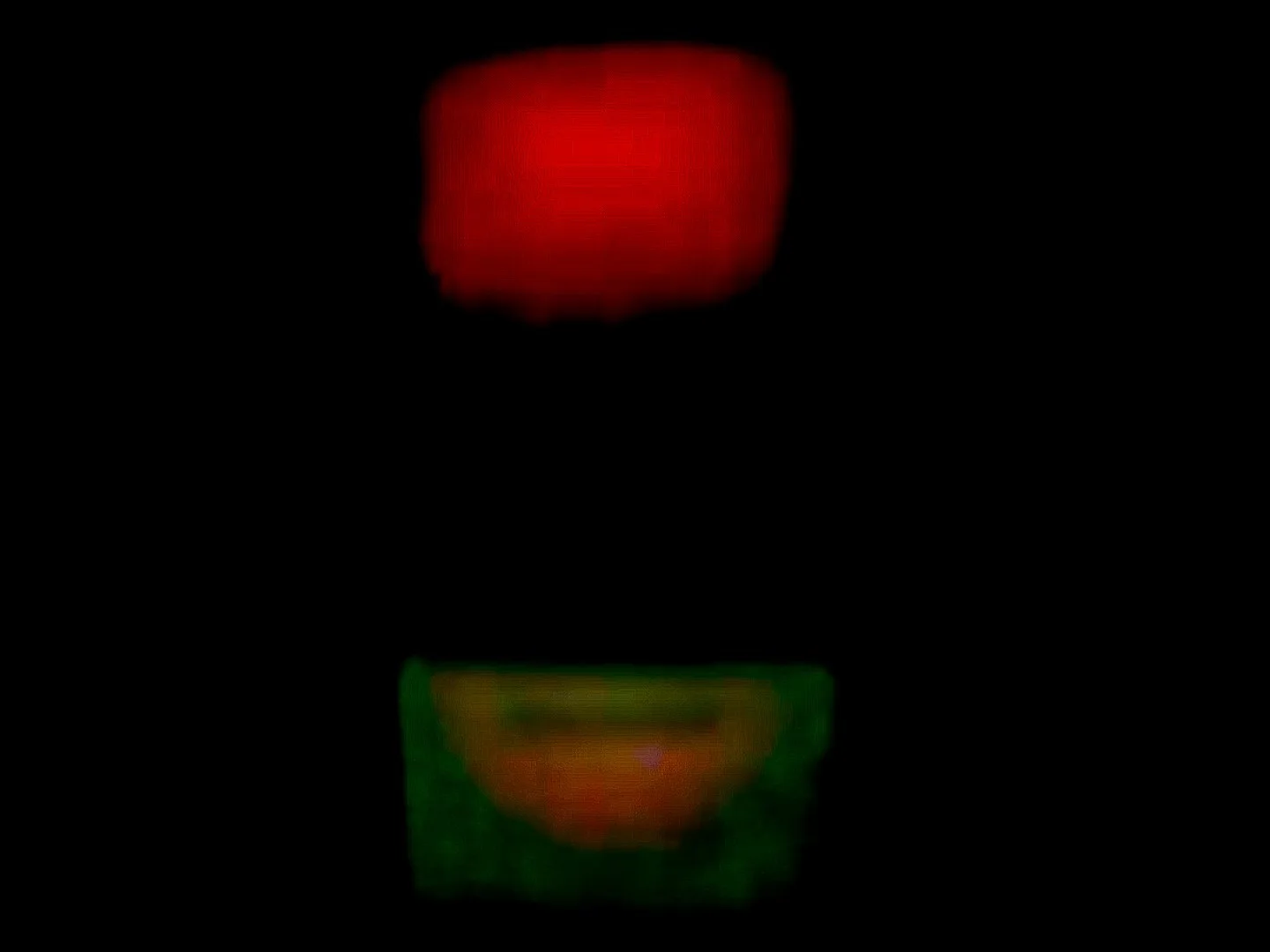
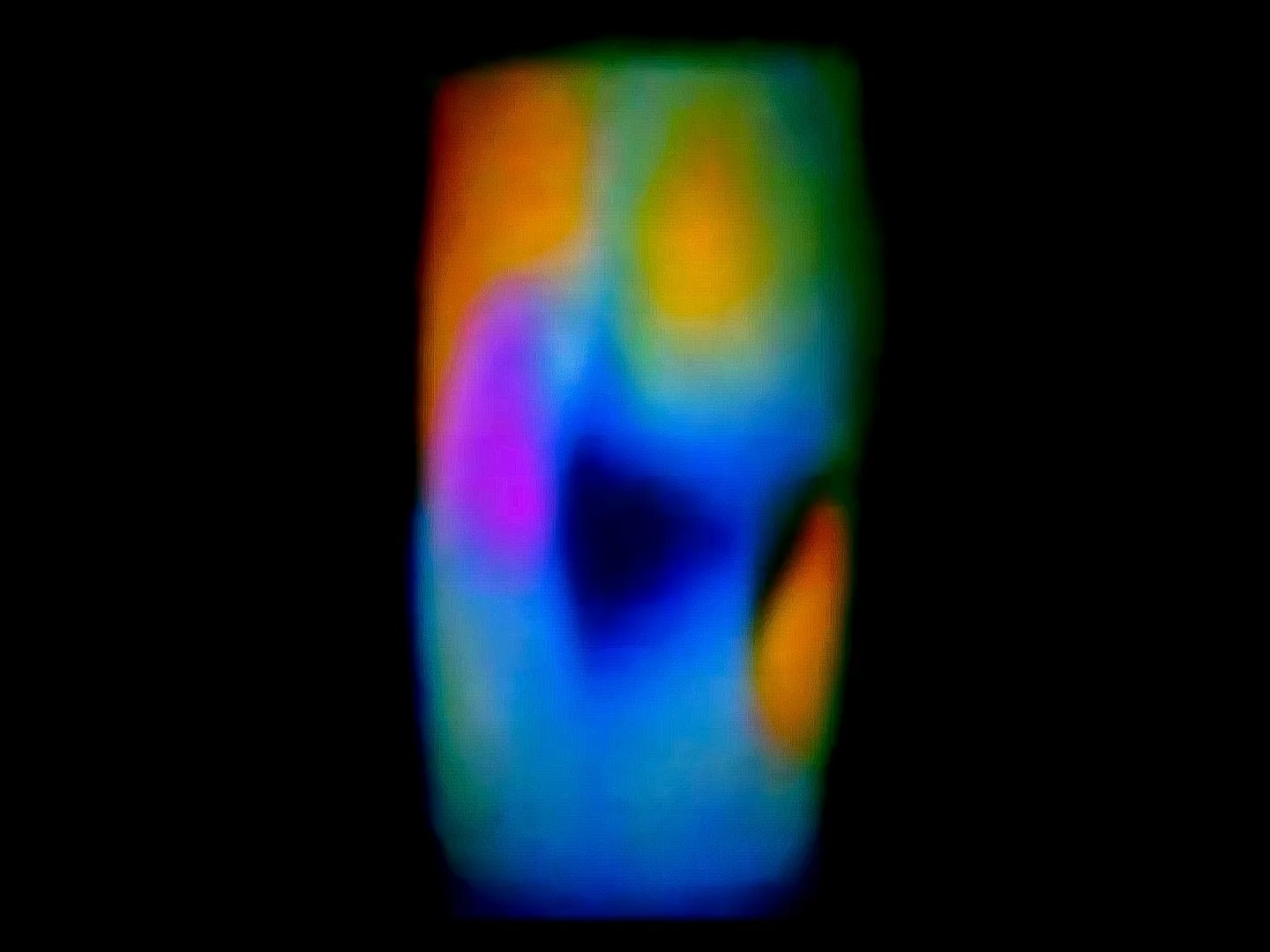
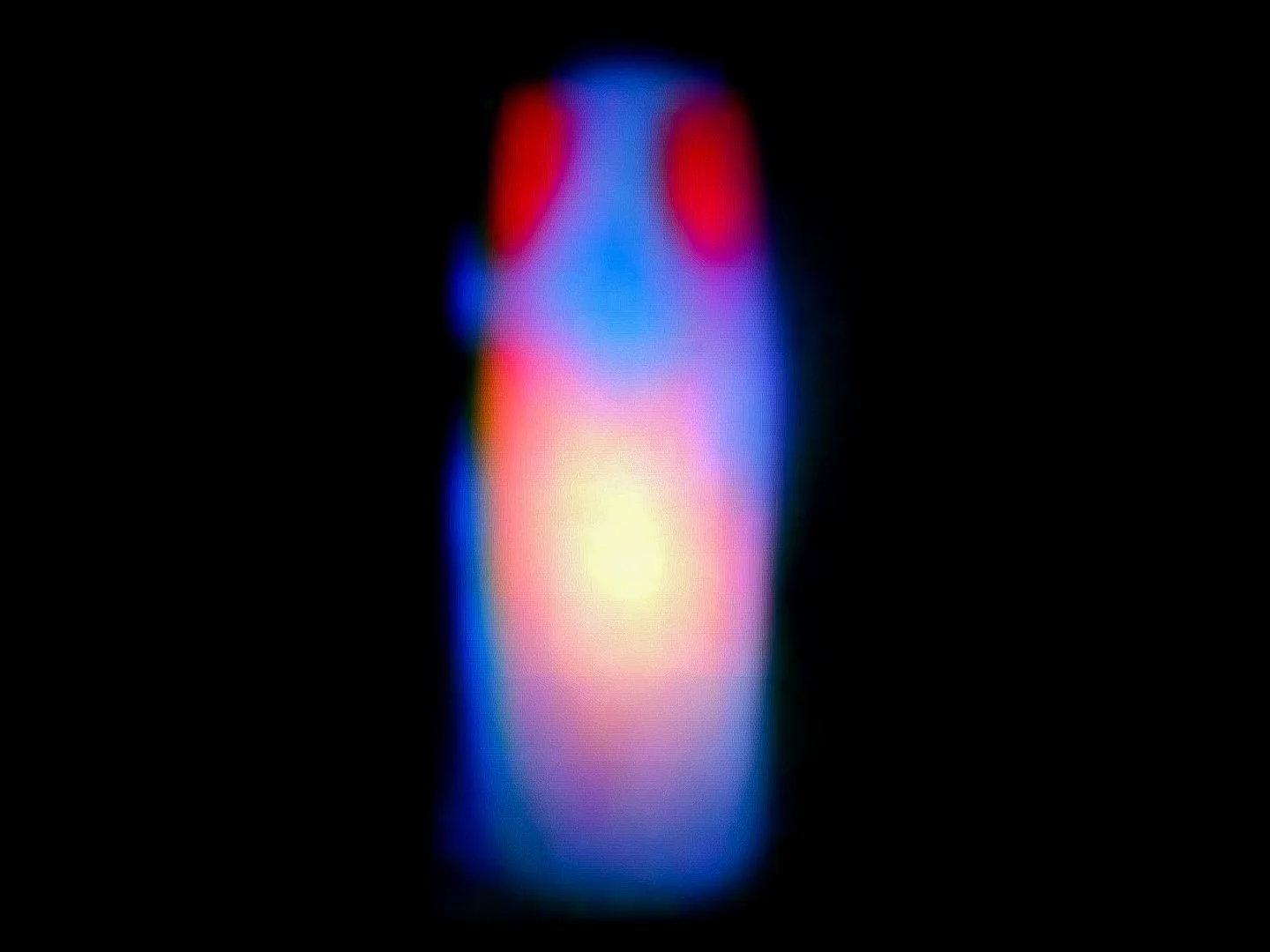
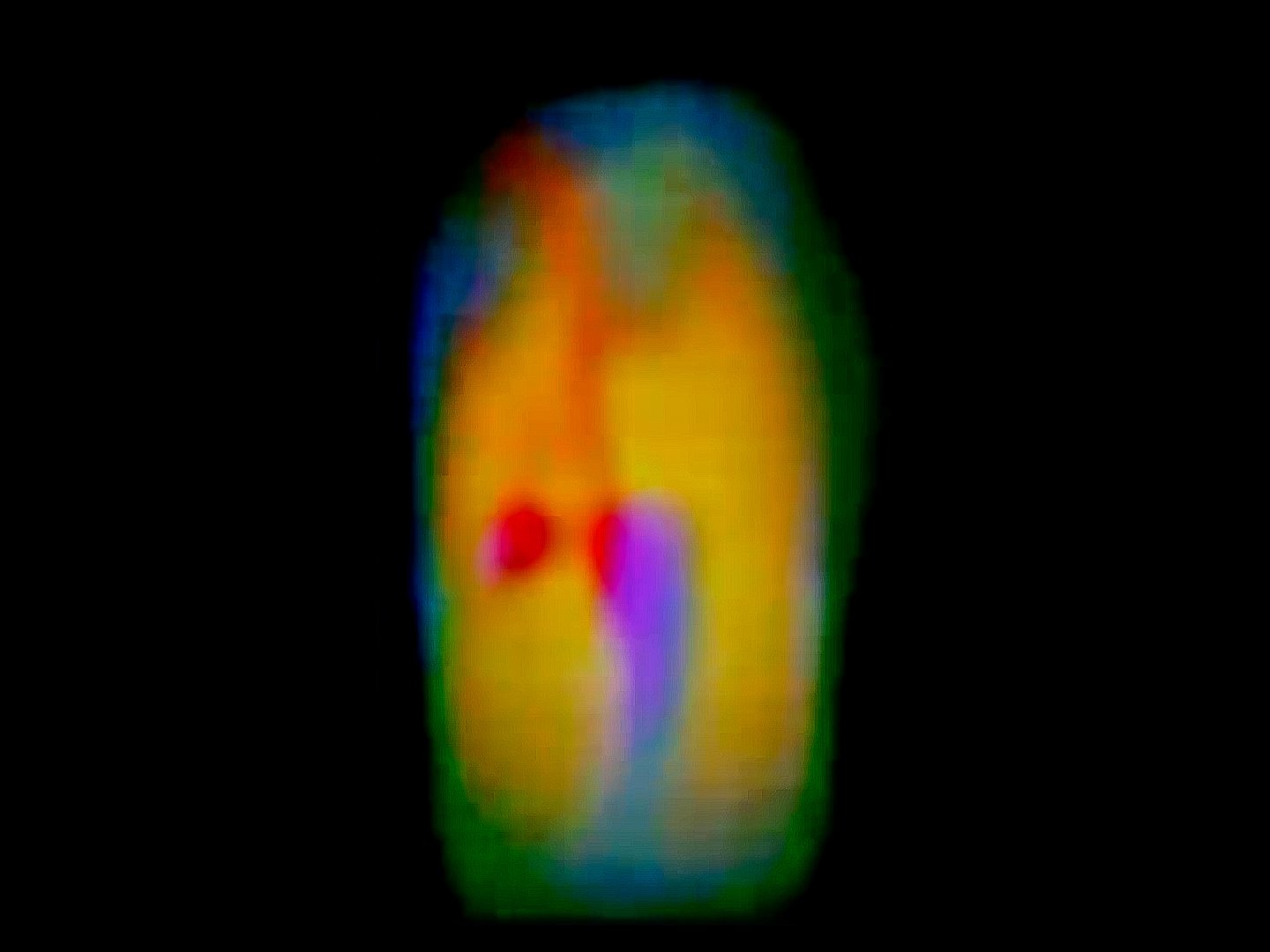
The second phase of the work, which this page focuses on, was a response to that discomfort. I ran the images through a feedback loop between two mobile phones, one playing the slideshow, the other filming it. With each cycle, the image degraded, softening, blurring, bleeding. After a dozen iterations, the figures were gone. What remained were colour fields and unstable forms that held together just enough to feel strangely alive.
Into this visual erosion, I introduced fragments of audio pulled from the same forums, men discussing the women in disturbing, often violent terms, masked by technical talk about angles and lighting. That layer made the gaze explicit, not just what was seen, but how it was spoken.
This process wasn’t about cleansing or repair. It was about refining the images down to their essence, letting their violence surface, transform, and settle. What emerged wasn’t a resolution, but a residue. A tension. A question of what stays behind when the original content collapses.
Send Some Candids doesn’t try to resolve that tension. It follows it, through disintegration, distortion, and slow visual mutation, to see what else an image can become.
Screen Capture
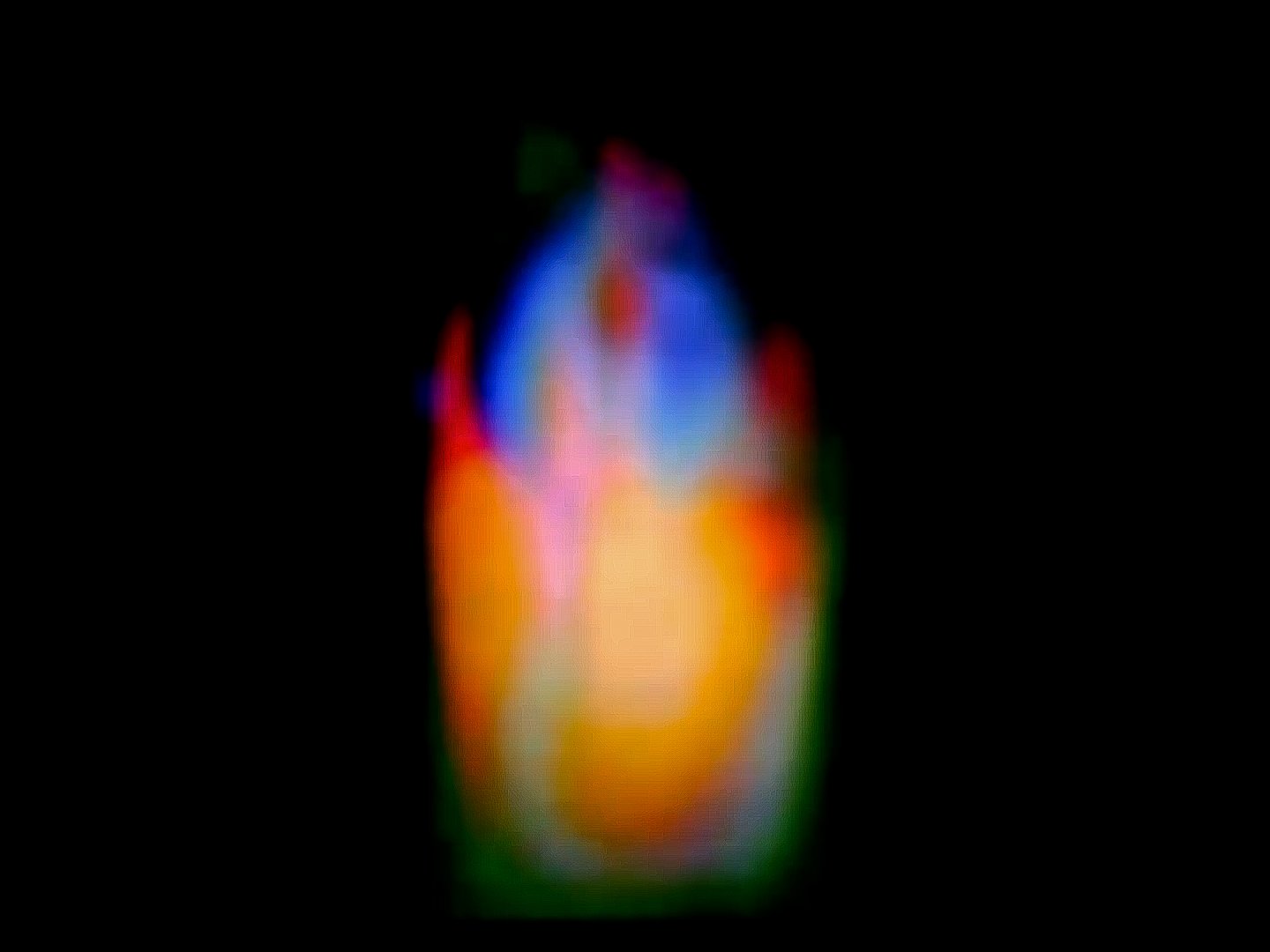
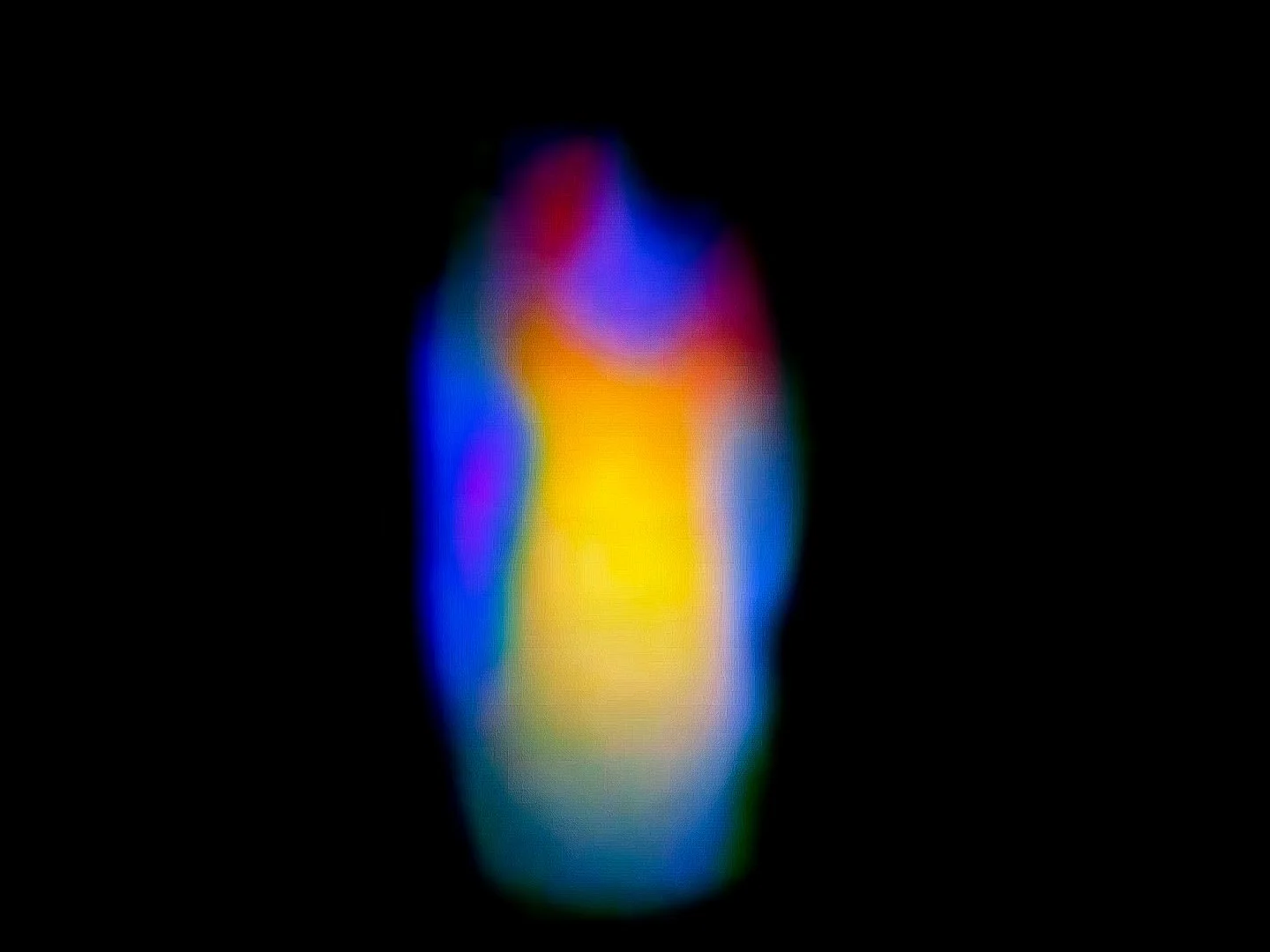
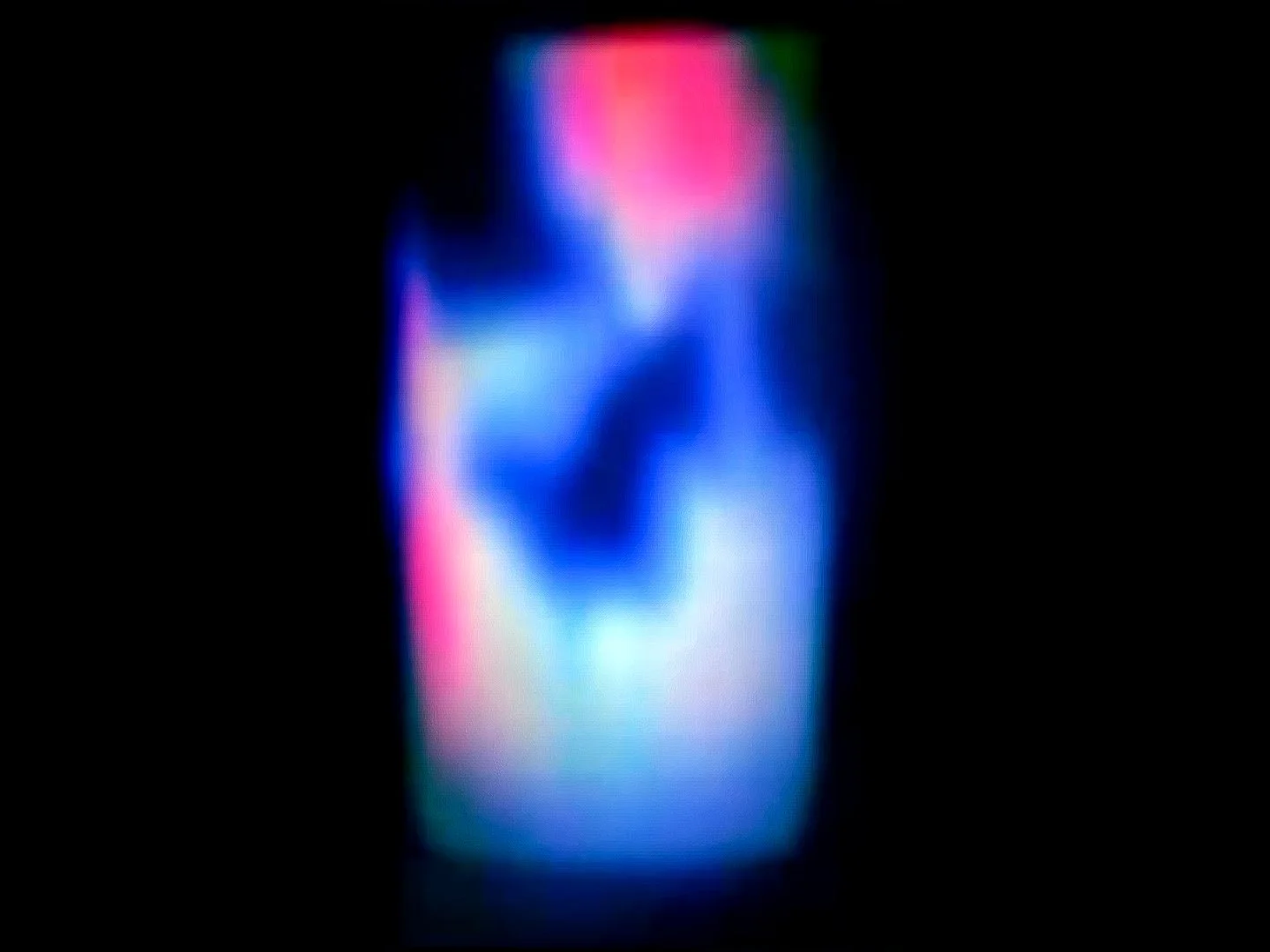
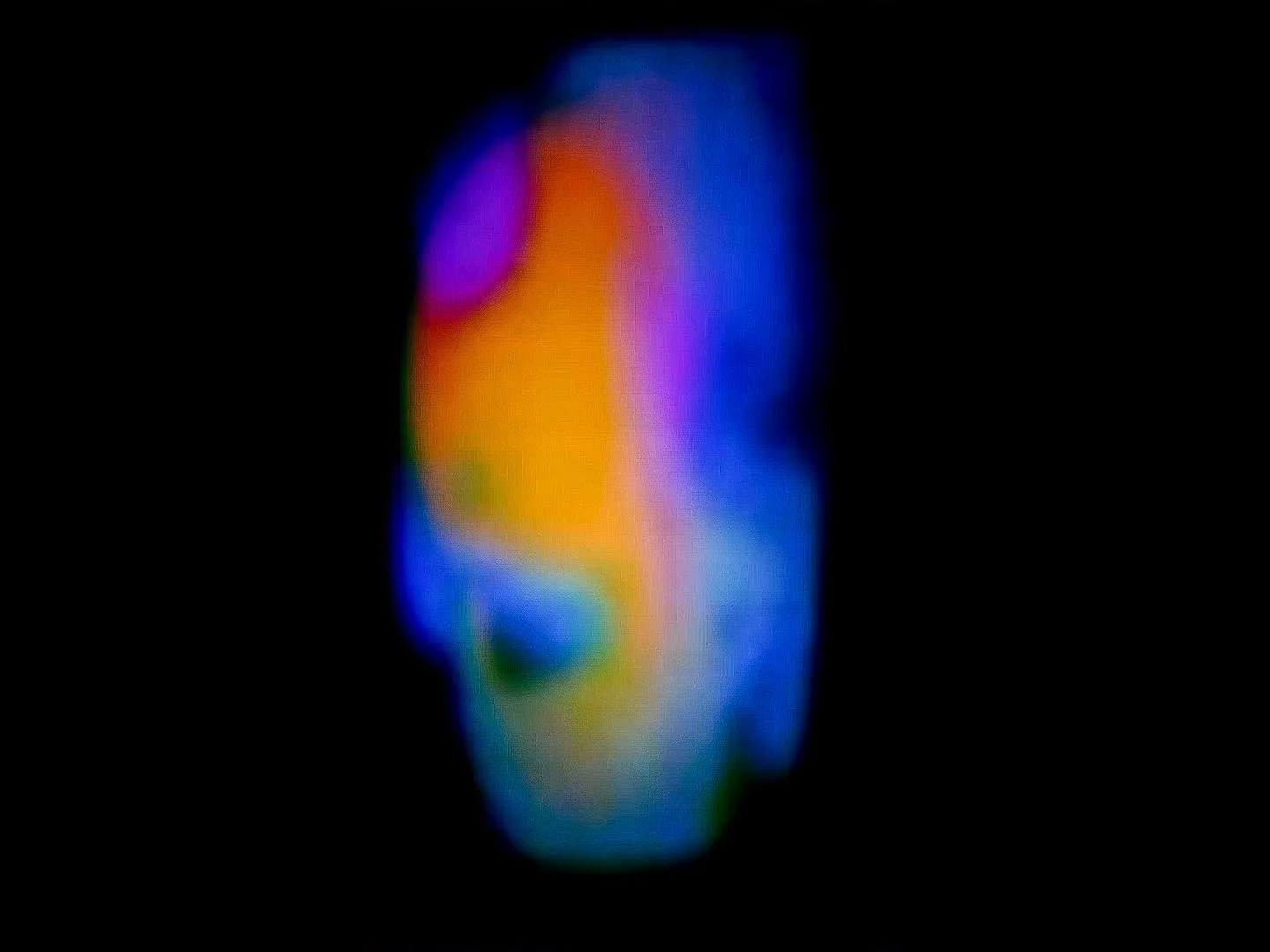
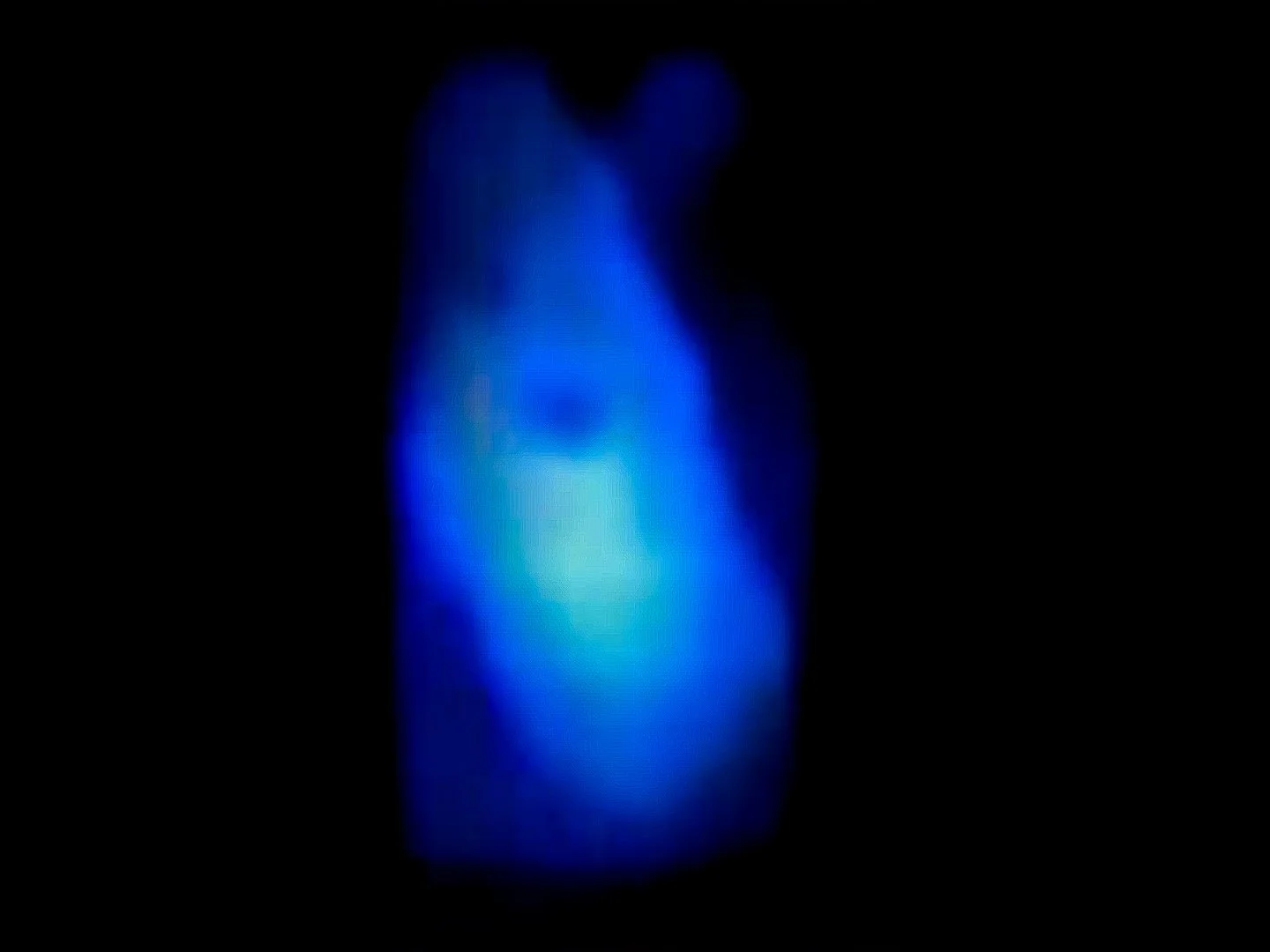
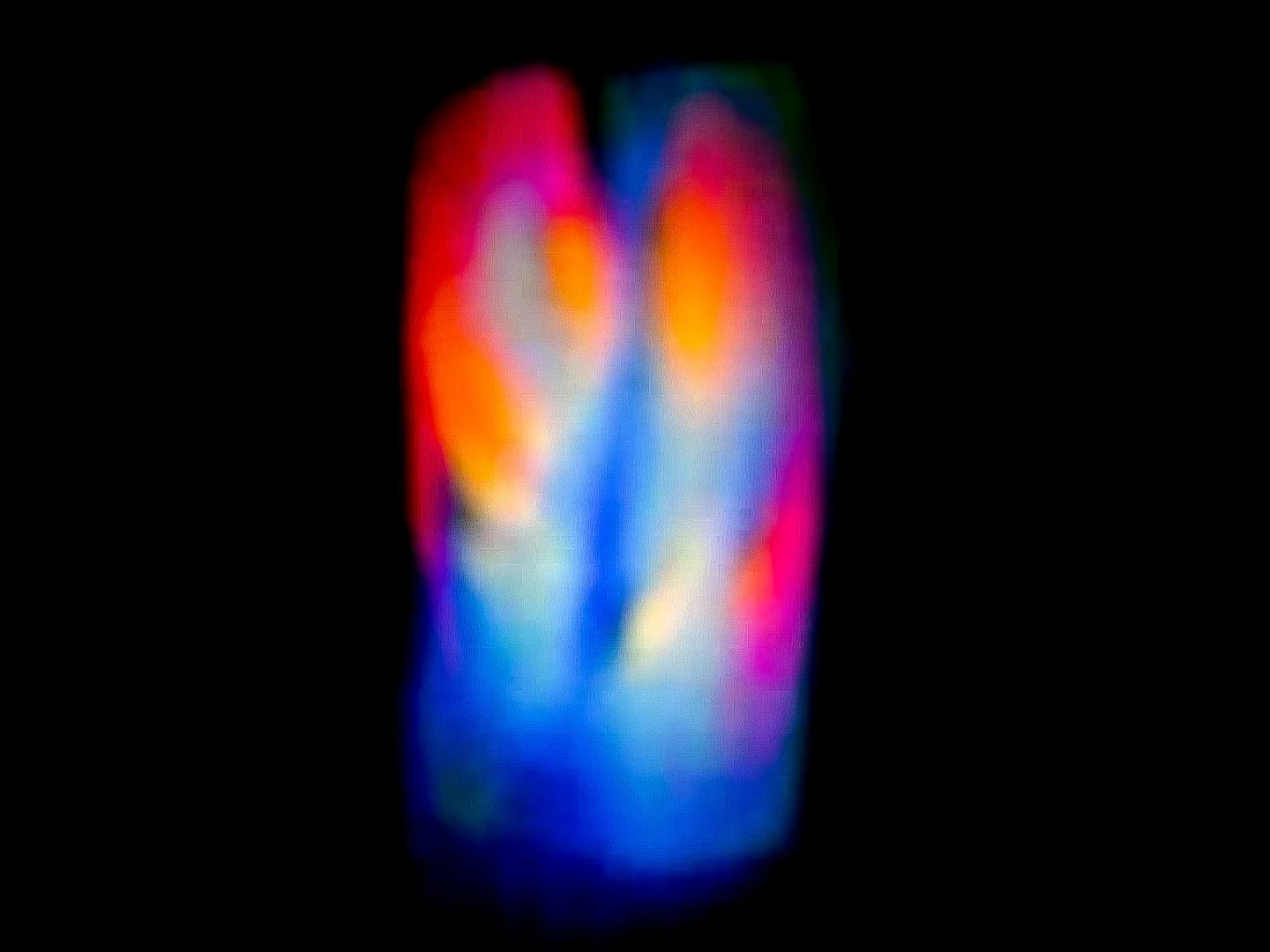
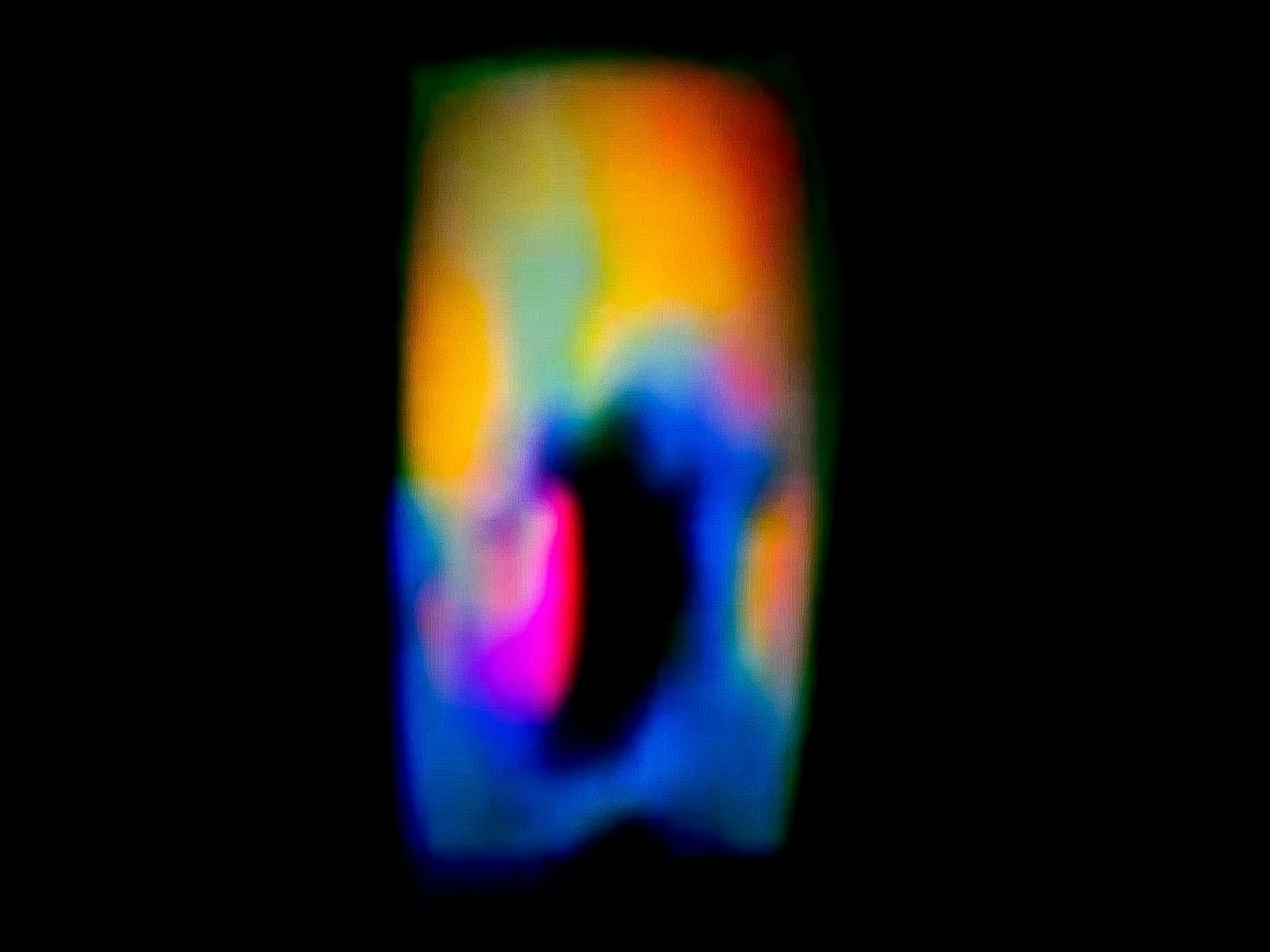
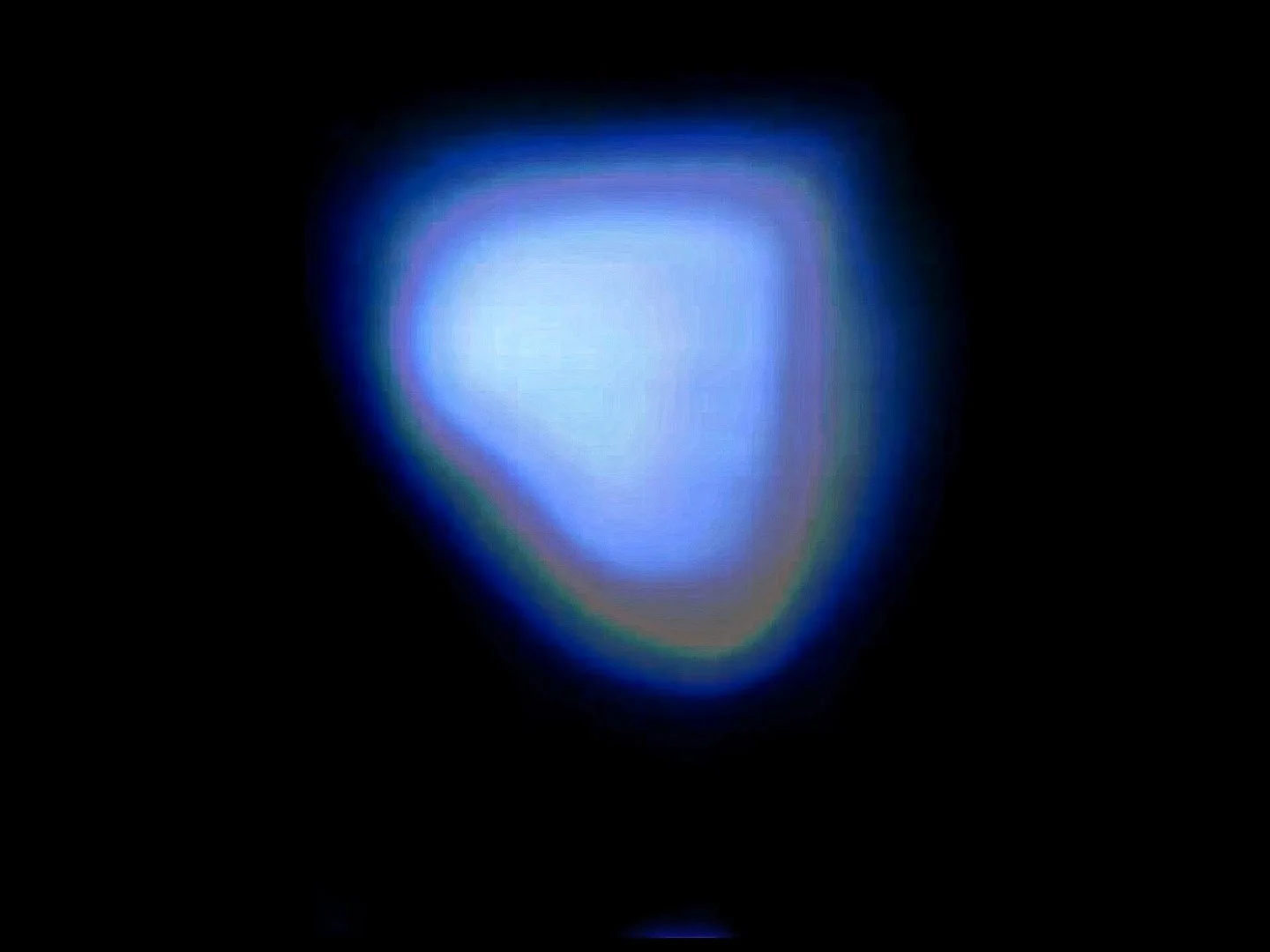
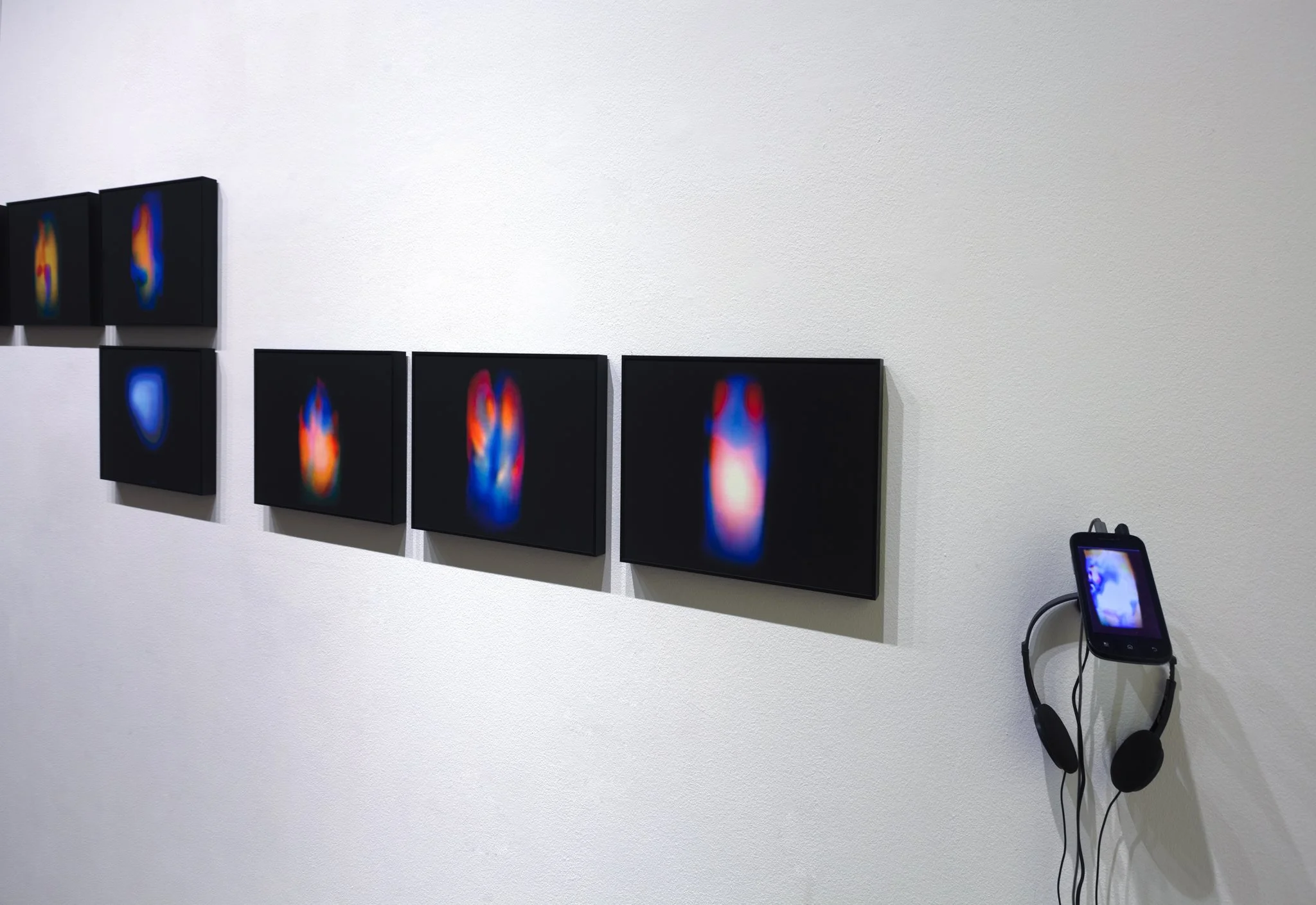
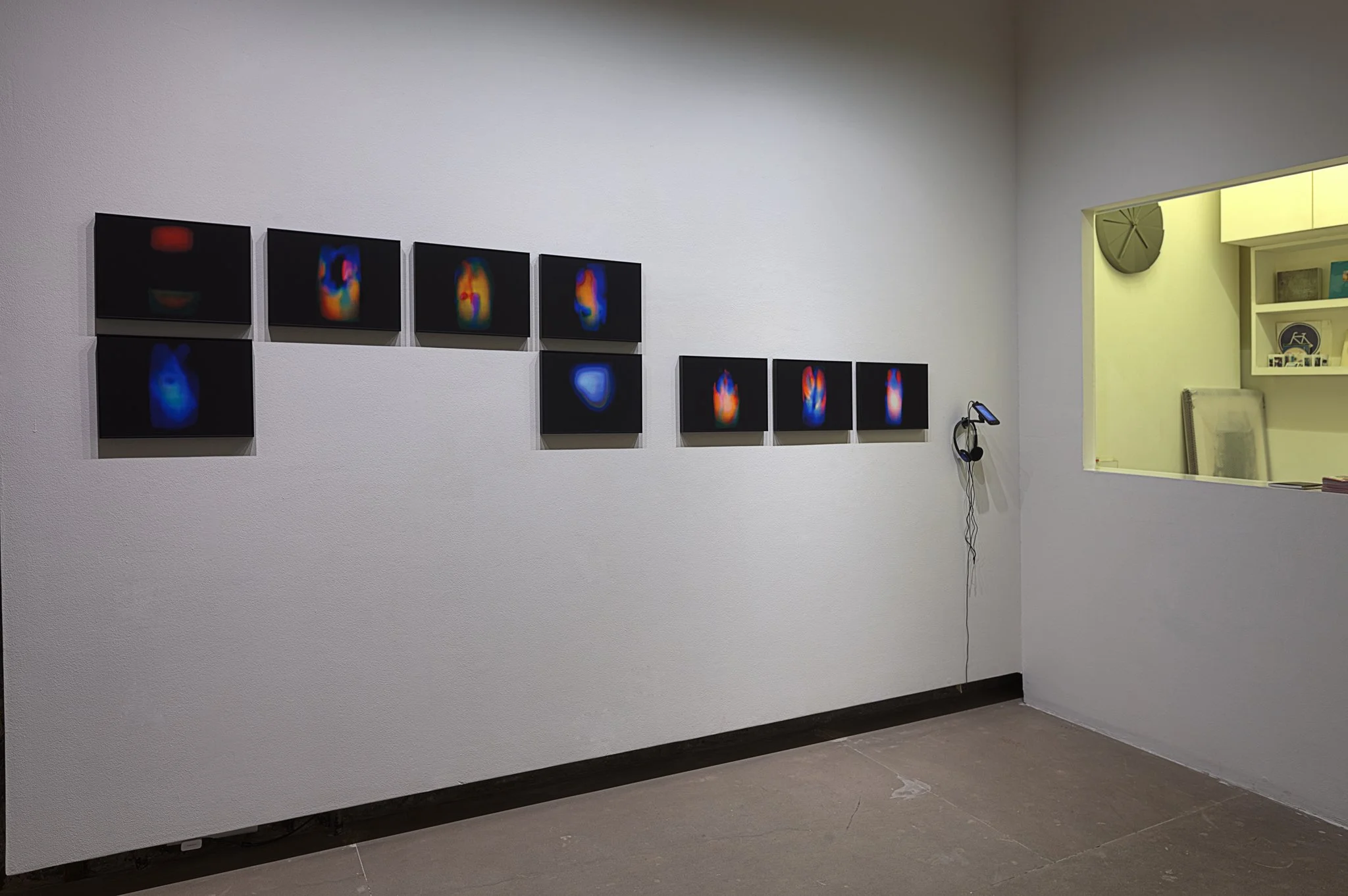
Send Some Candids is a two-part project that began with the act of collecting. Over several months, I searched Indian online forums and pornographic websites for mobile phone images of women taken without their consent. These weren't staged or explicit photographs—they were everyday moments: women walking, waiting, bending over, captured through bad digital zoom and shared as trophies. What disturbed me wasn't only the images, but how casually they were circulated, rated, and commented on. The camera had become a tool of control, and the photograph, a silent act of possession.
This first phase of the project was not photographic in the traditional sense. I didn't shoot these images. Instead, I treated them as a found archive—a readymade system of visual harassment already fully in play. I collected thousands of them, but selected only a small number for presentation. These were shown publicly in exhibitions and talks exactly as they had been found: no cropping, no editing, no framing to soften or recontextualize them. That decision was important. I wanted viewers to witness the violence in its raw, everyday form. Not the violence of action, but of looking. These images weren’t remarkable in their content, but in the gaze that produced them. It wasn’t the women who were sexualised. It was the way they were looked at—with entitlement, distance, and aestheticised aggression.
The decision to present the material in this way was complicated. Some viewers found it uncomfortable, others confronted. But that discomfort was part of the work. Photography had always been about visibility, but here, it had become a form of casual capture. These images weren’t art or pornography. They were byproducts of a digital ecosystem where surveillance and sexuality blurred. Holding them up for scrutiny wasn’t about redemption or reparation. It was about exposure—not of the women, but of the system.
The second phase of the work emerged out of a need to respond to this system through the same tools that enabled it. I set up a simple feedback loop using two mobile phones—the same kind of devices used to take the original images. One phone played a slideshow of the selected photographs. The other recorded the screen. Then I repeated the process, playing the recording and capturing it again. Each cycle introduced compression, blur, and pixel noise. Gradually, the images lost their clarity. After about a dozen iterations, the figures dissolved into unstable stains of color. The forms became abstract, but carried with them a kind of visual residue—a trace of something once recognisable, now fractured.
What disturbed me most was that these color stains, after enough repetitions, began to stabilise. The system found a form that held. Even when the content had been erased, something structured remained—a pattern, a presence. This persistence felt strange and unsettling, as if the original violence had not disappeared, only shifted into another visual register.
To this visual degradation, I added audio fragments sourced from the same forums where the images had come from. These were voices of the men who posted the photographs, describing women in language that was both violently objectifying and oddly technical. They spoke of angles, lighting, posture—as if they were composing portraits rather than stealing moments. This overlay introduced a dissonance: the image was breaking down, but the voice remained precise, intact. It revealed how violence, when aestheticised, becomes easier to ignore.
This second phase was not about erasing the harm in the images. It was about refining it—distilling the visual energy they carried into another form. What emerged wasn’t clean or redemptive. It was ambiguous, residual, almost spectral. A kind of visual aftermath. The degraded prints and video loops didn’t offer solutions. They held open a space for something unresolved, something still charged.
Send Some Candids changed the direction of my work. After this, I moved away from photography as capture, and toward systems, code, and processes. I became more interested in what happens to images after they are made—how they circulate, mutate, and leave traces. This project introduced a new vocabulary to my practice: feedback loops, algorithmic decay, emergence. It also raised questions I continue to explore: What does it mean to look? What does it mean to be looked at? What does it mean to intervene, knowing you're part of the same system you’re trying to expose?