Being Seen Trying - 2014
Being Seen Trying grew out of watching online darshan streams from temples across India. In a traditional darshan, the exchange is simple and profound: you look at the deity, and the deity looks back at you. That mutual gaze is what completes the experience.
But in the online versions, something shifts. Instead of meeting the deity’s eyes, I found myself watching the faces of the devotees, people trying to hold that ancient exchange through a fragile digital connection. Their expressions moved me: focused, hopeful, absorbed. And all of this was being carried by the same systems built for surveillance, CCTV cameras, low-resolution feeds, algorithms scanning faces without judgment.
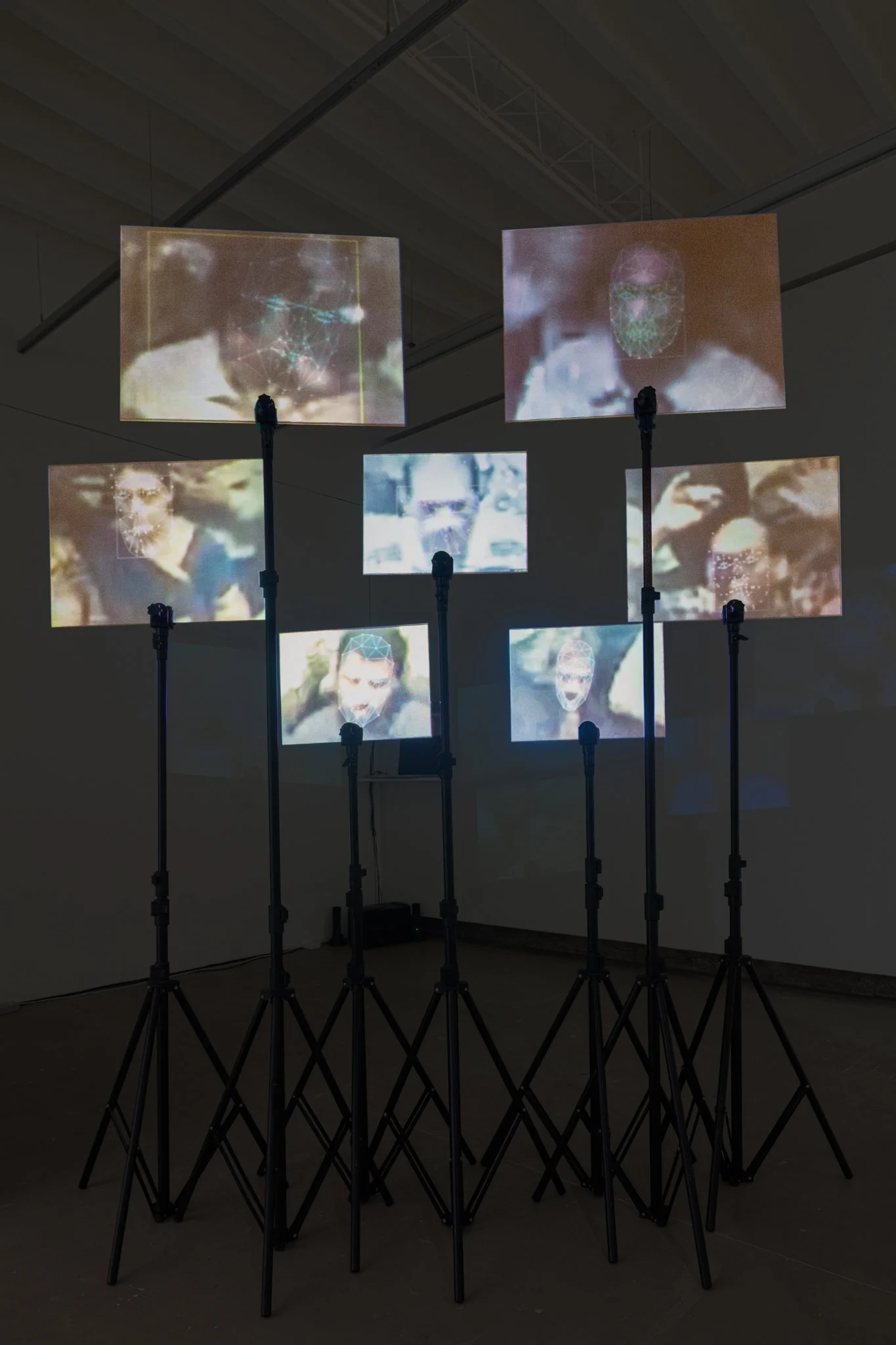
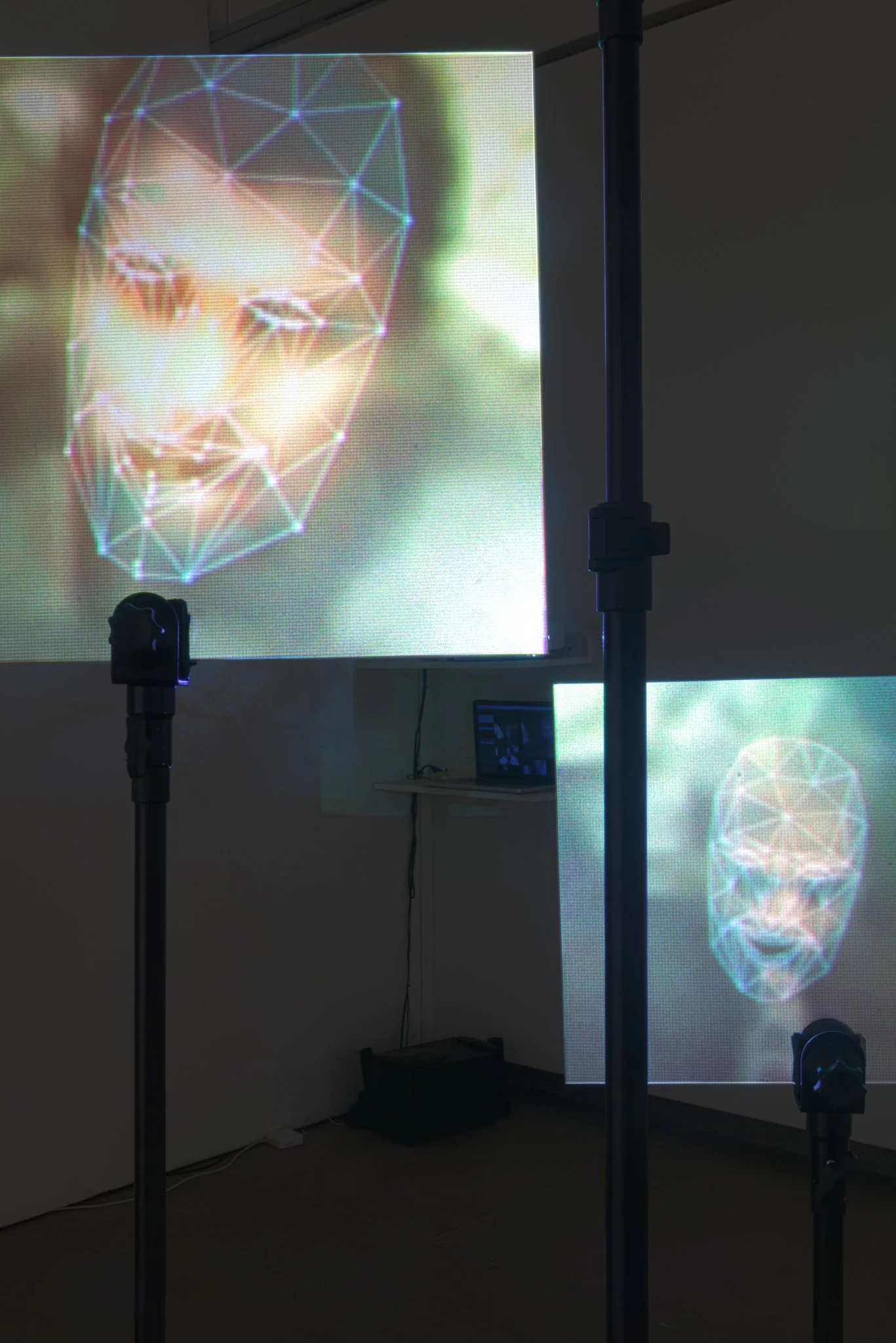
I started collecting these streams and running them through face detection code to isolate each believer from the crowd. The glitches, freezes, and pixelation became part of the story. A good connection seemed to strengthen the encounter; a bad one could break it, almost like a “bad darshan.” It made me wonder how the energy of a prayer survives the jump from temple to server to screen, how something so intimate can travel through cables and still hold its charge.
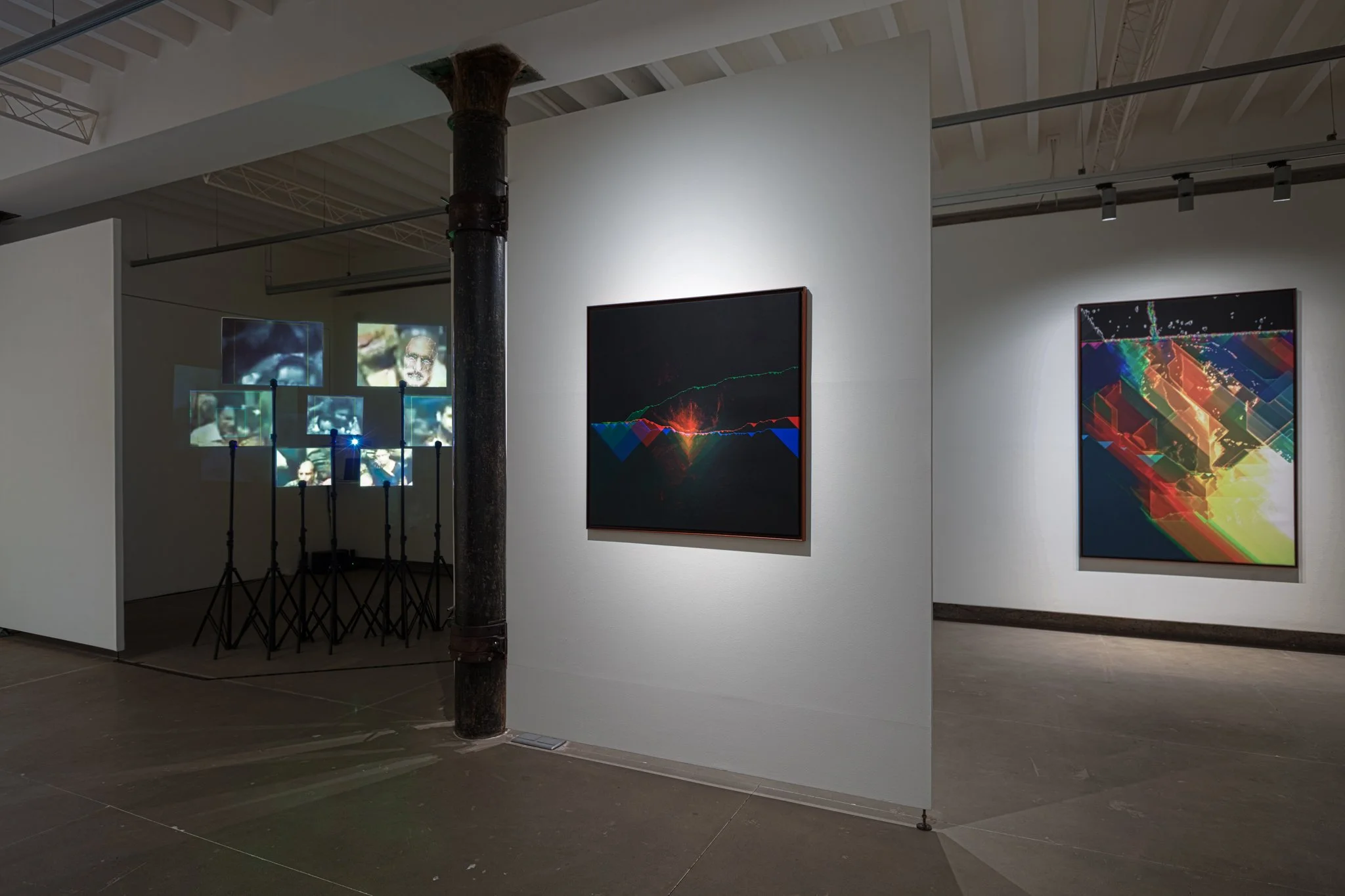
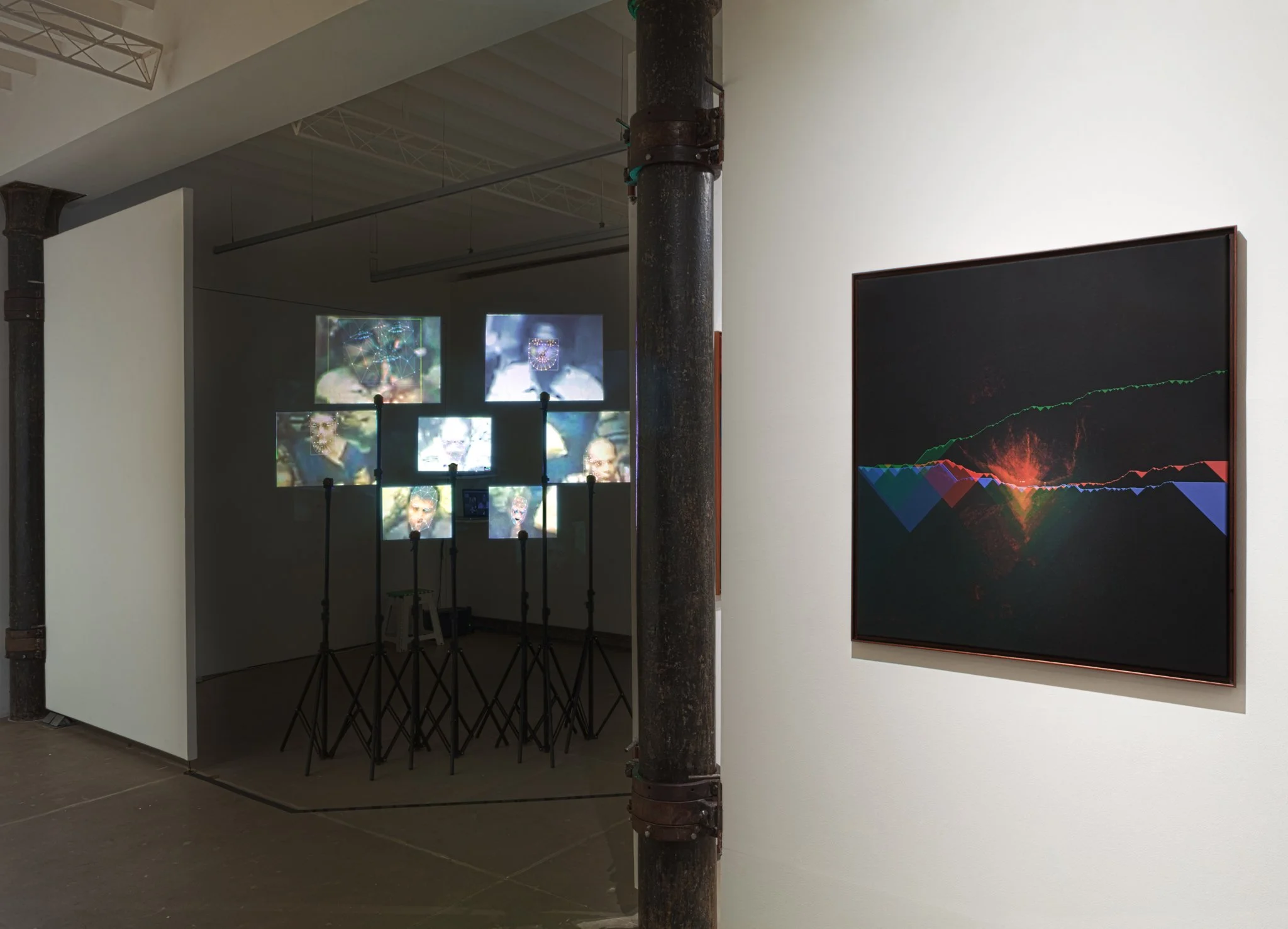
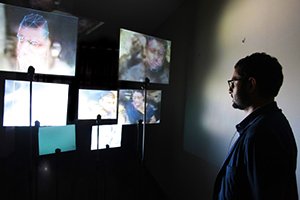
There are two versions of the work: a 16-minute single channel video and an installation where the extracted faces are videomapped onto frosted glass. Each version offers a different way of entering this space where devotion, technology, and chance meet, an attempt to understand what it means to see, to be seen, and to keep trying, even when the signal falters.
Installation video mapped onto frosted glass
Pixelated faces extracted from temple livestreams are projected onto suspended glass panels, creating an intimate architecture where devotion, visibility and digital transmission meet.
Single channel video, 16 minutes
Footage from online darshan streams processed through face detection code. A study of how devotion travels through the network, and how the digital image struggles to hold a prayer.
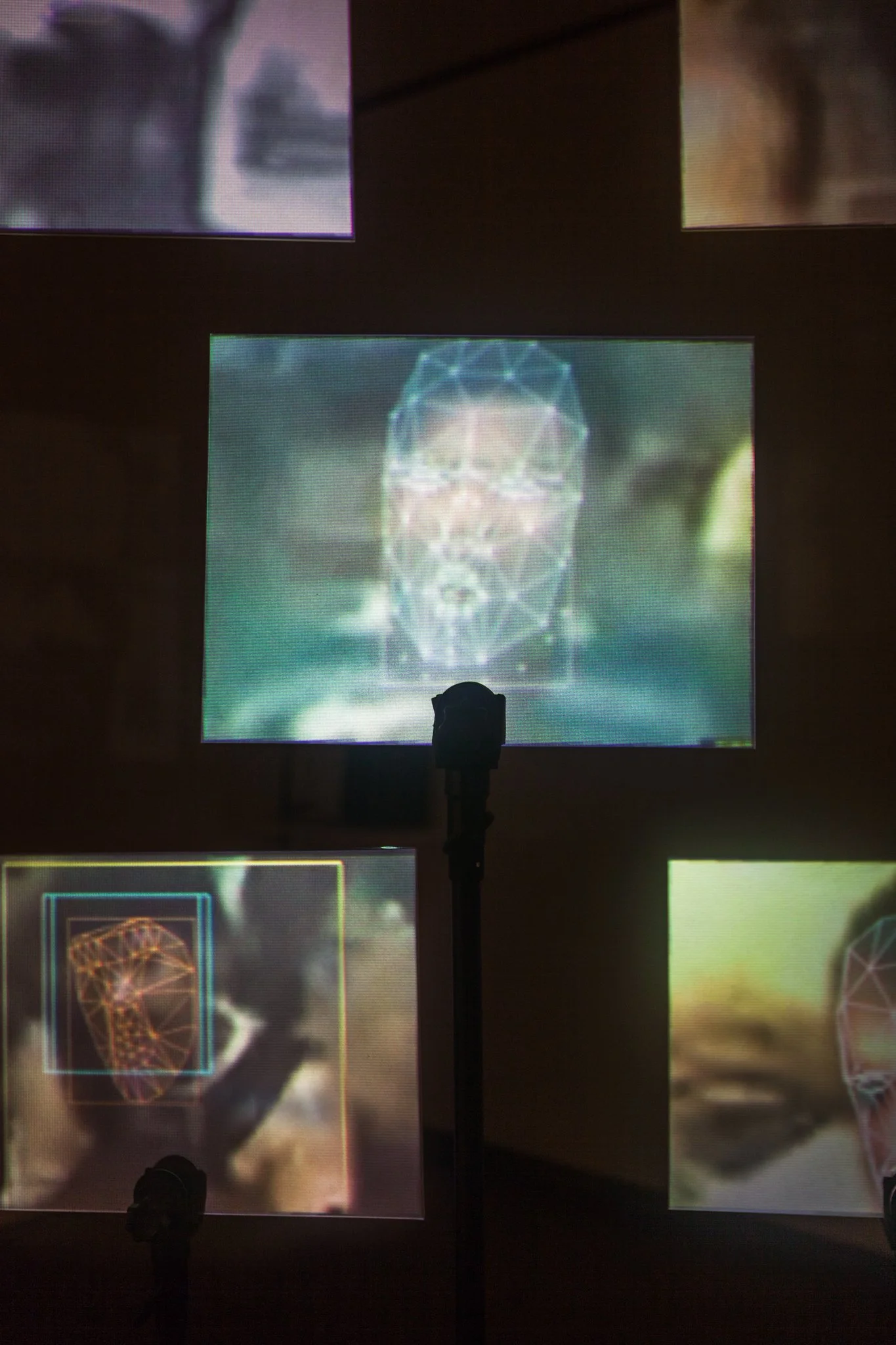
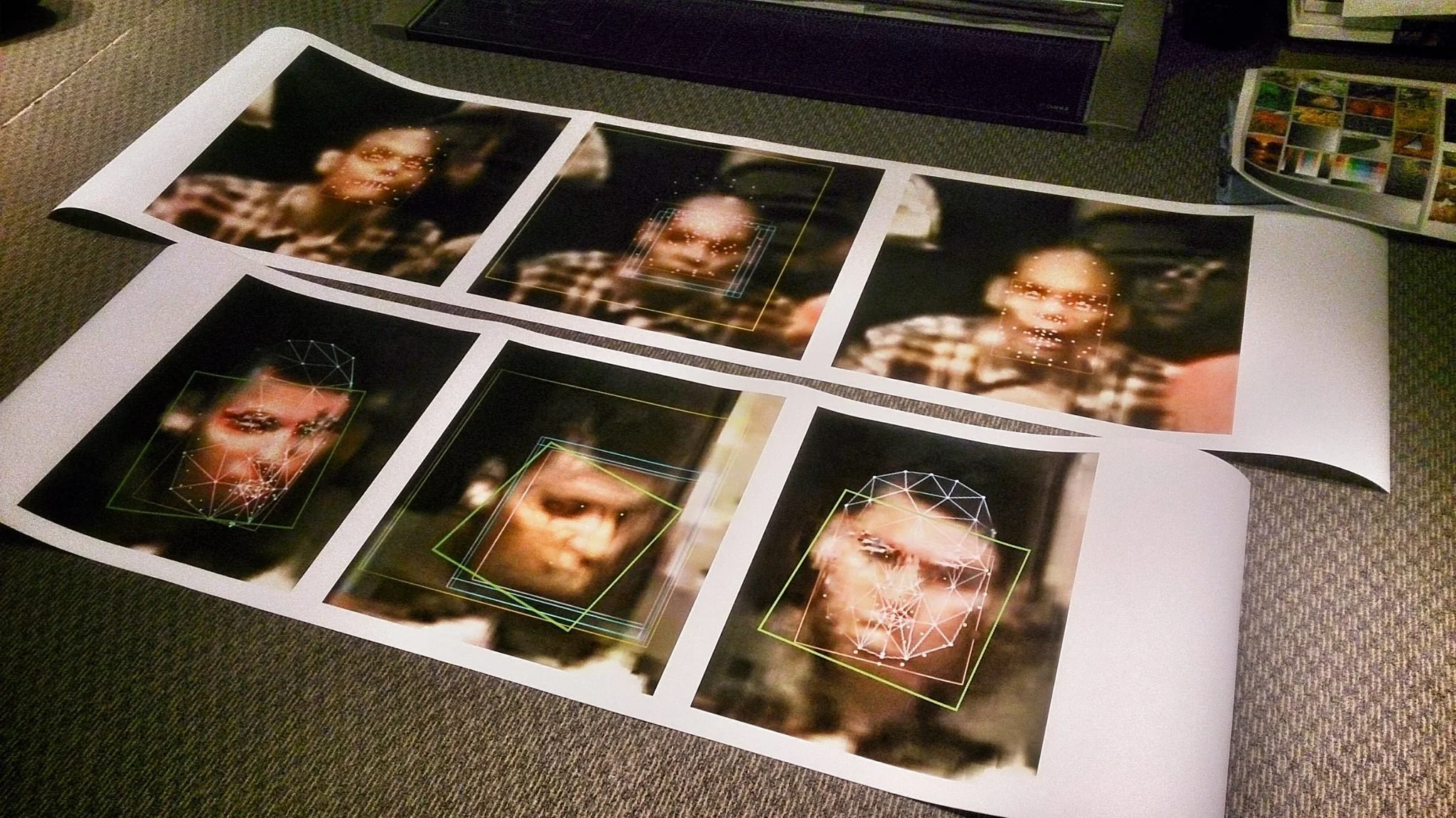
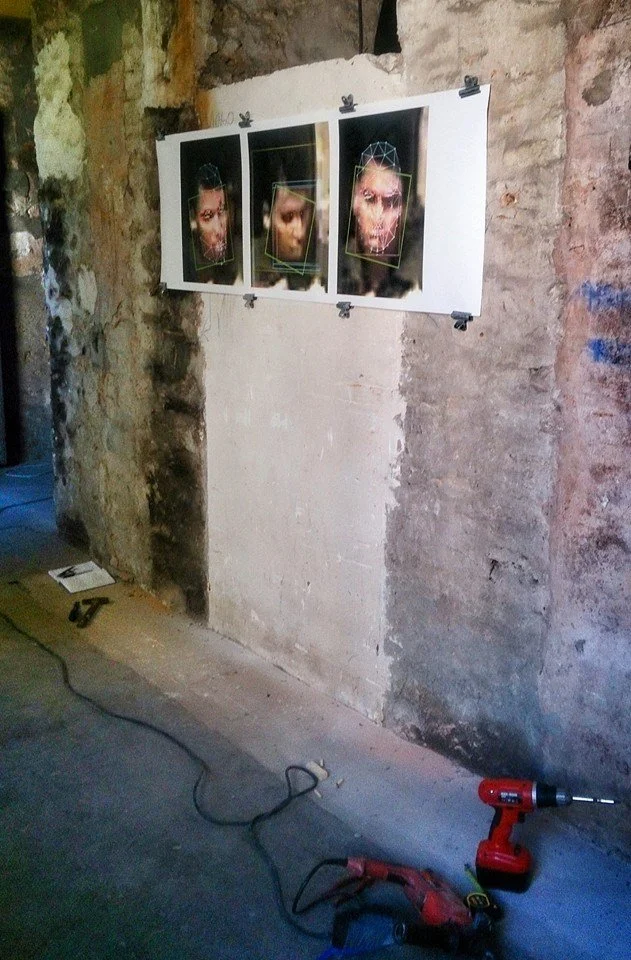
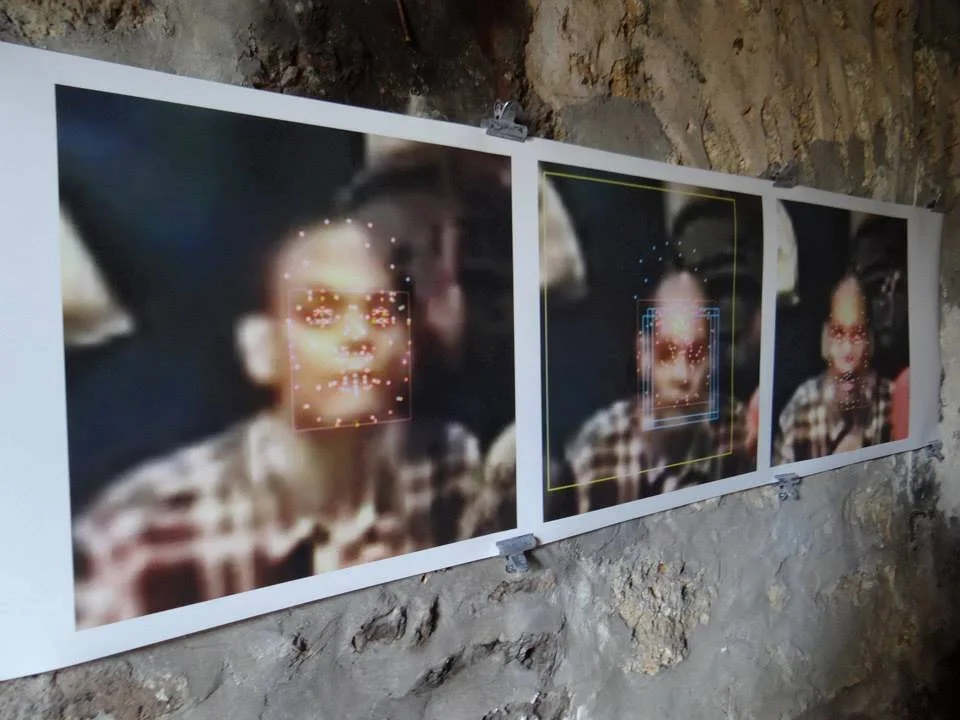
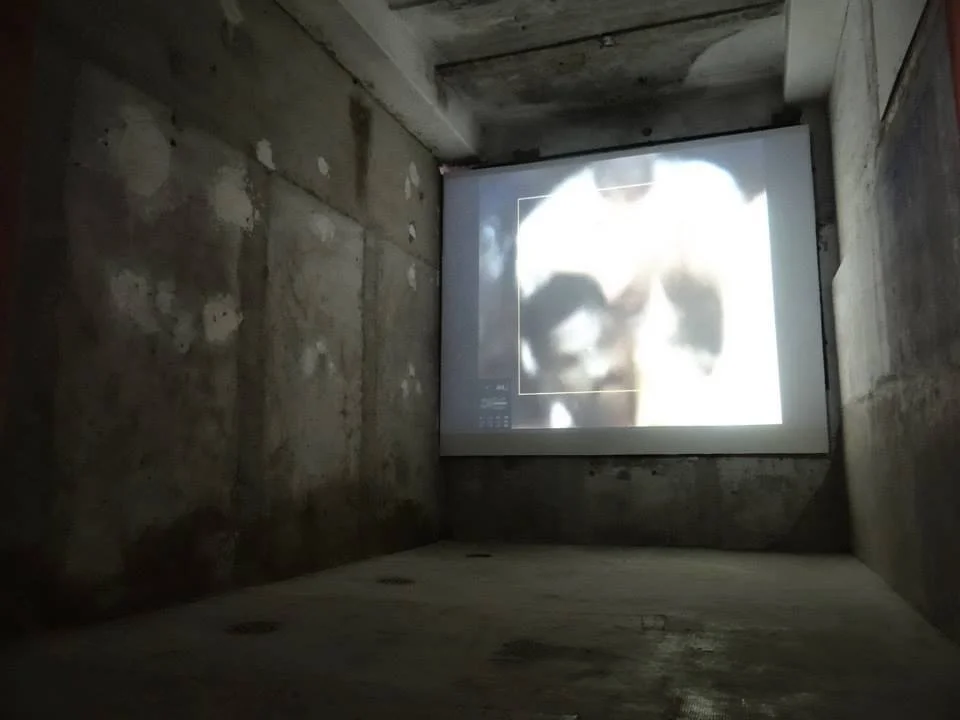
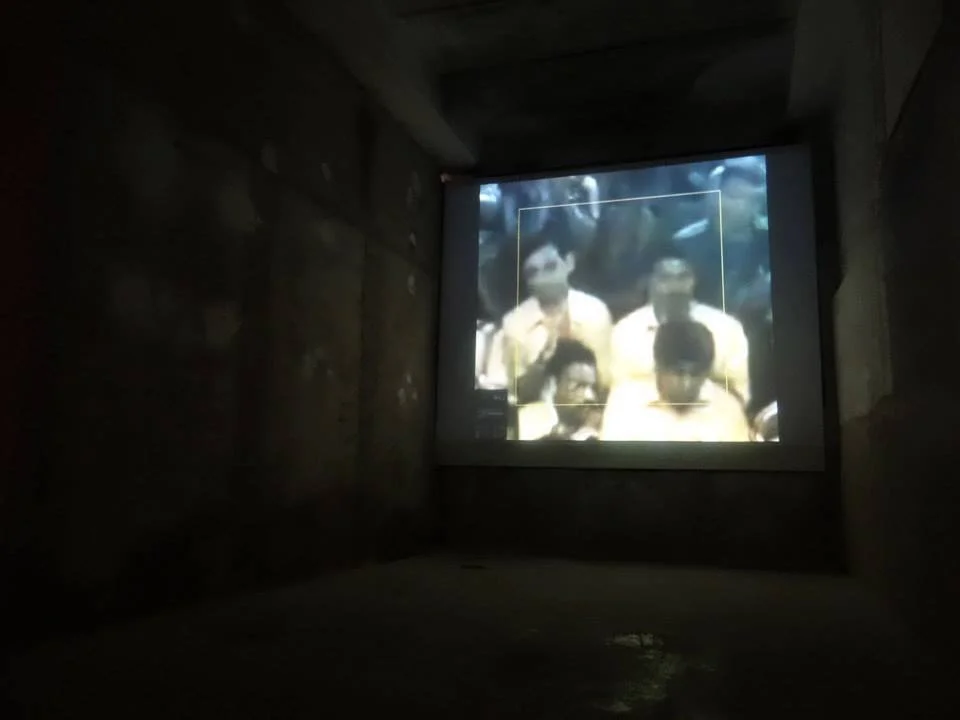
Being Seen Trying: Screen Grabs
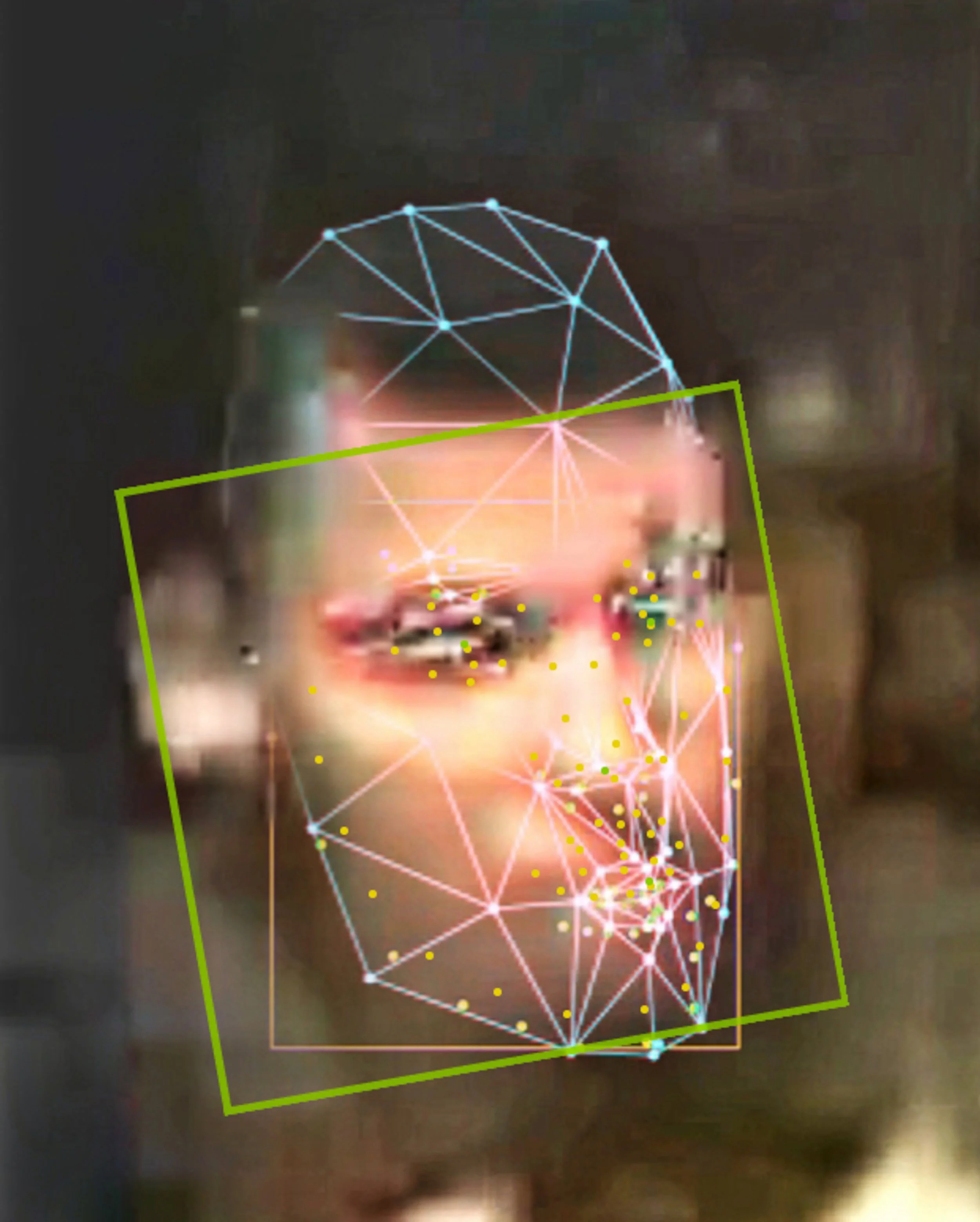
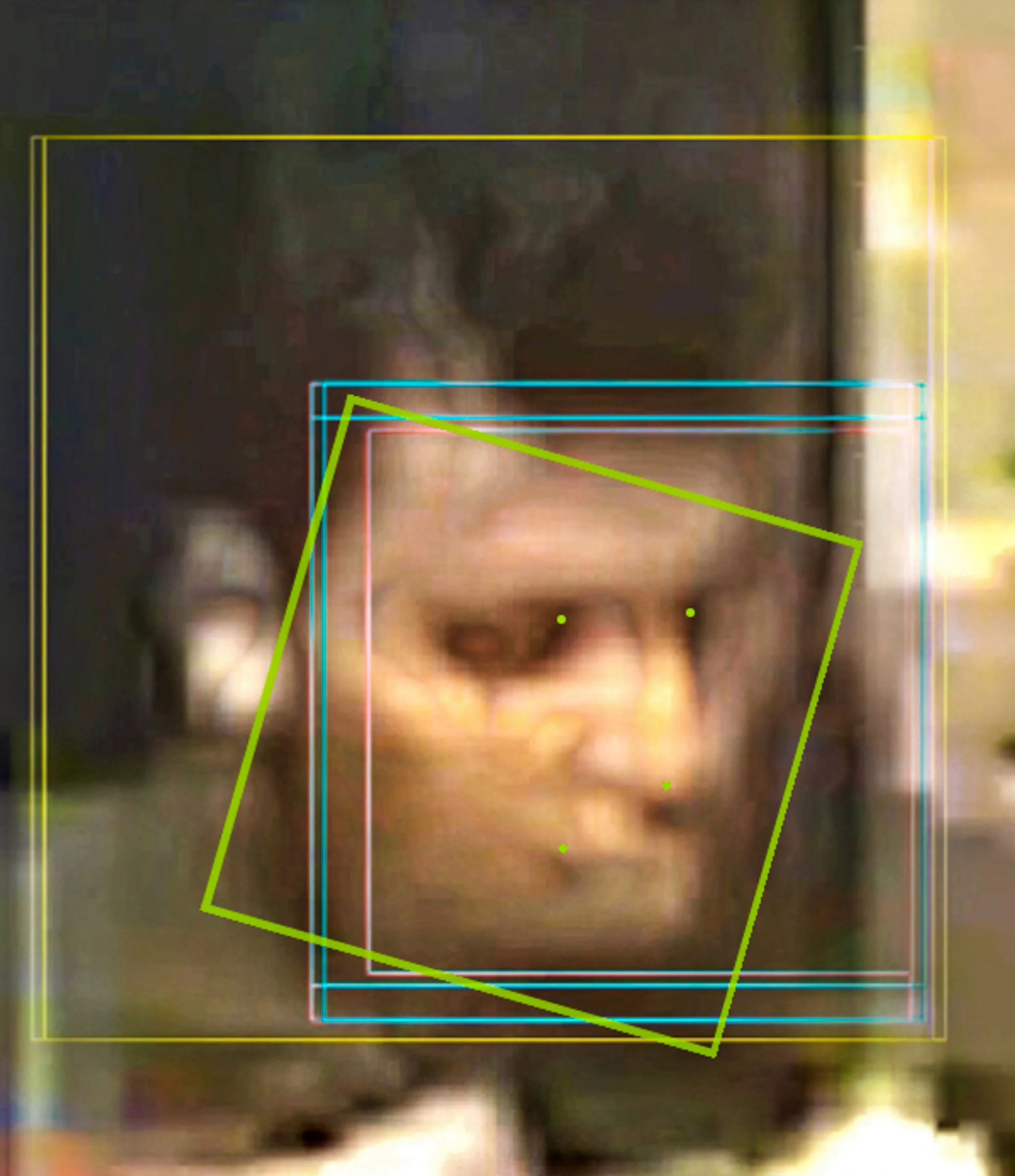
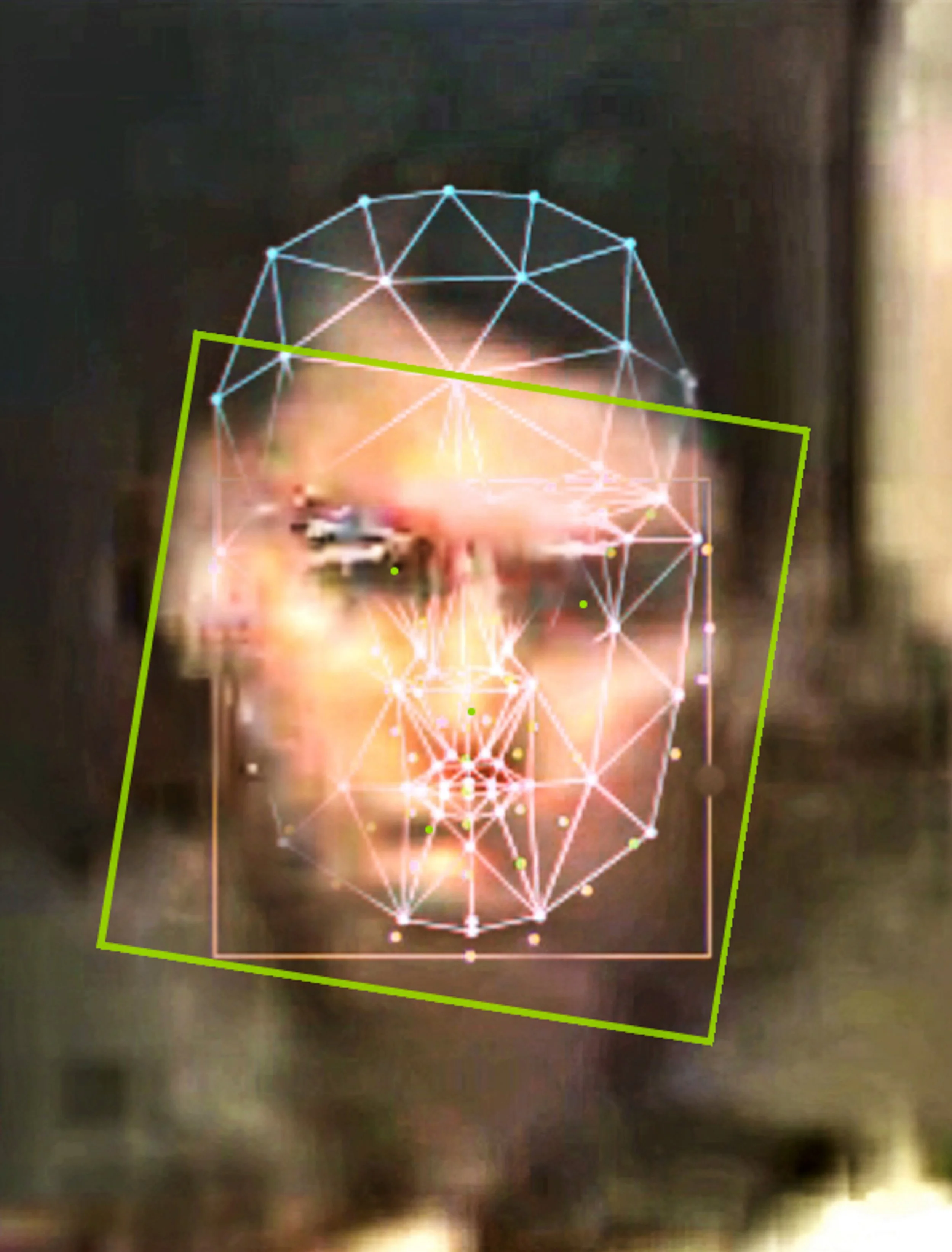
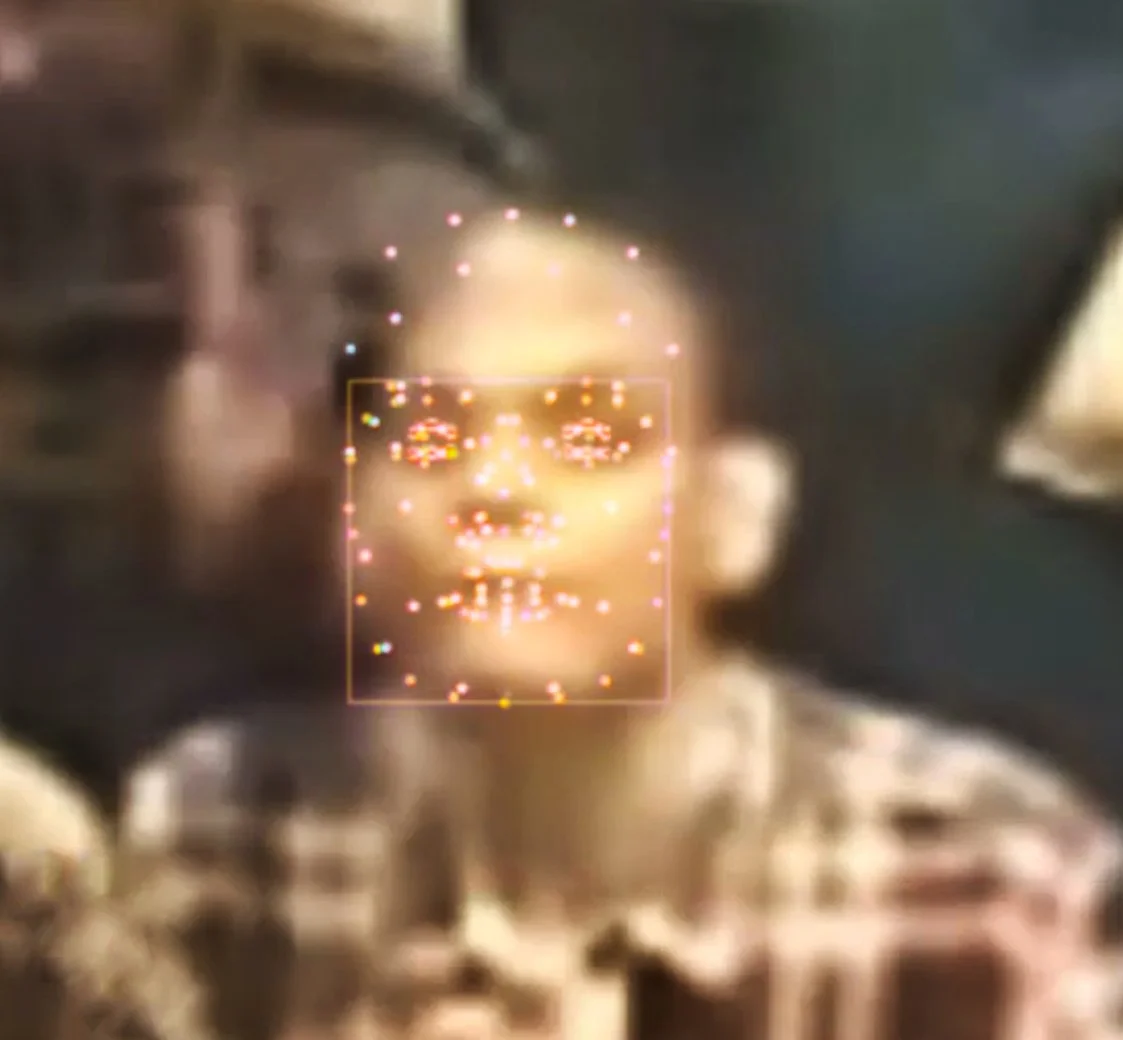
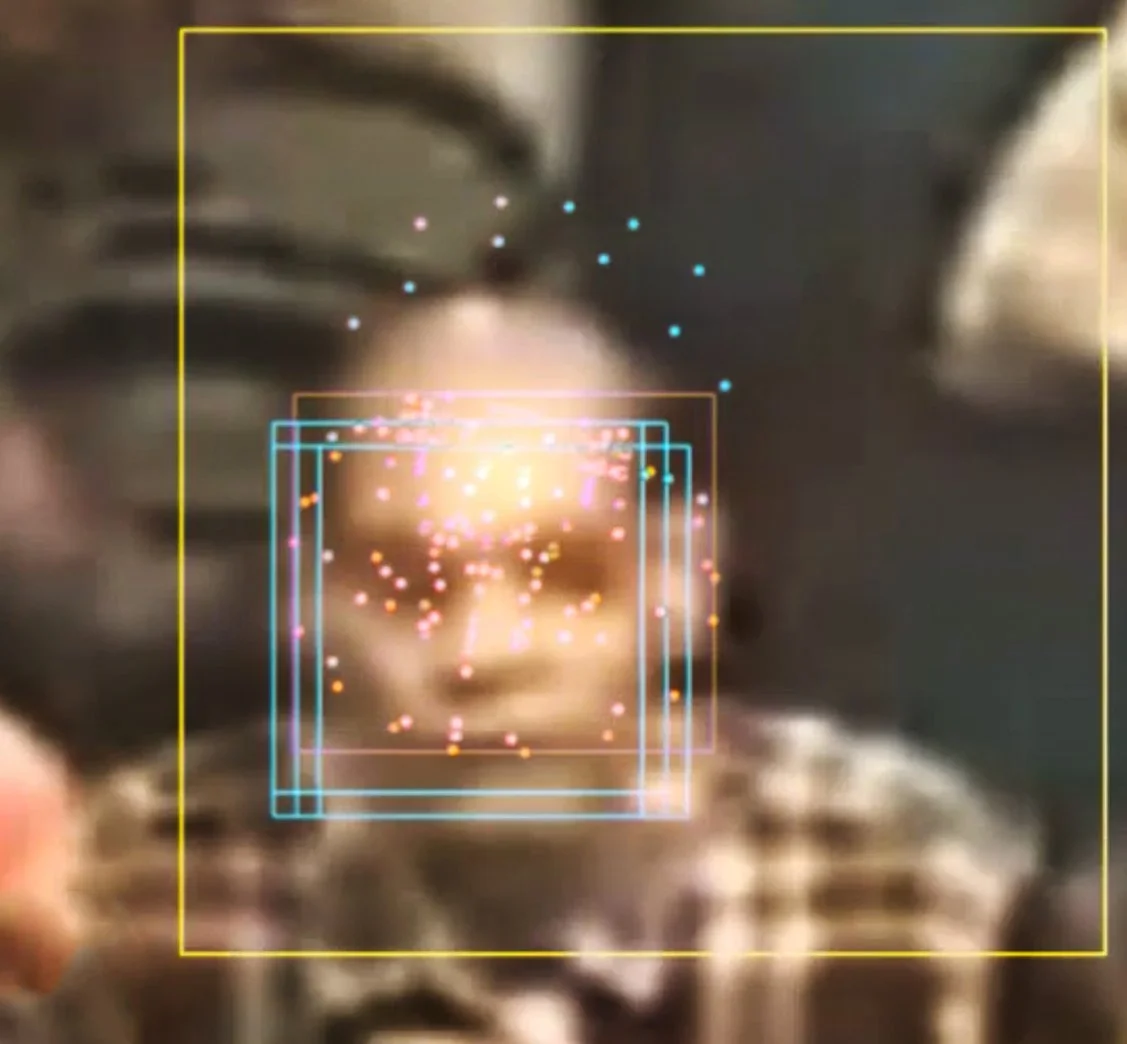
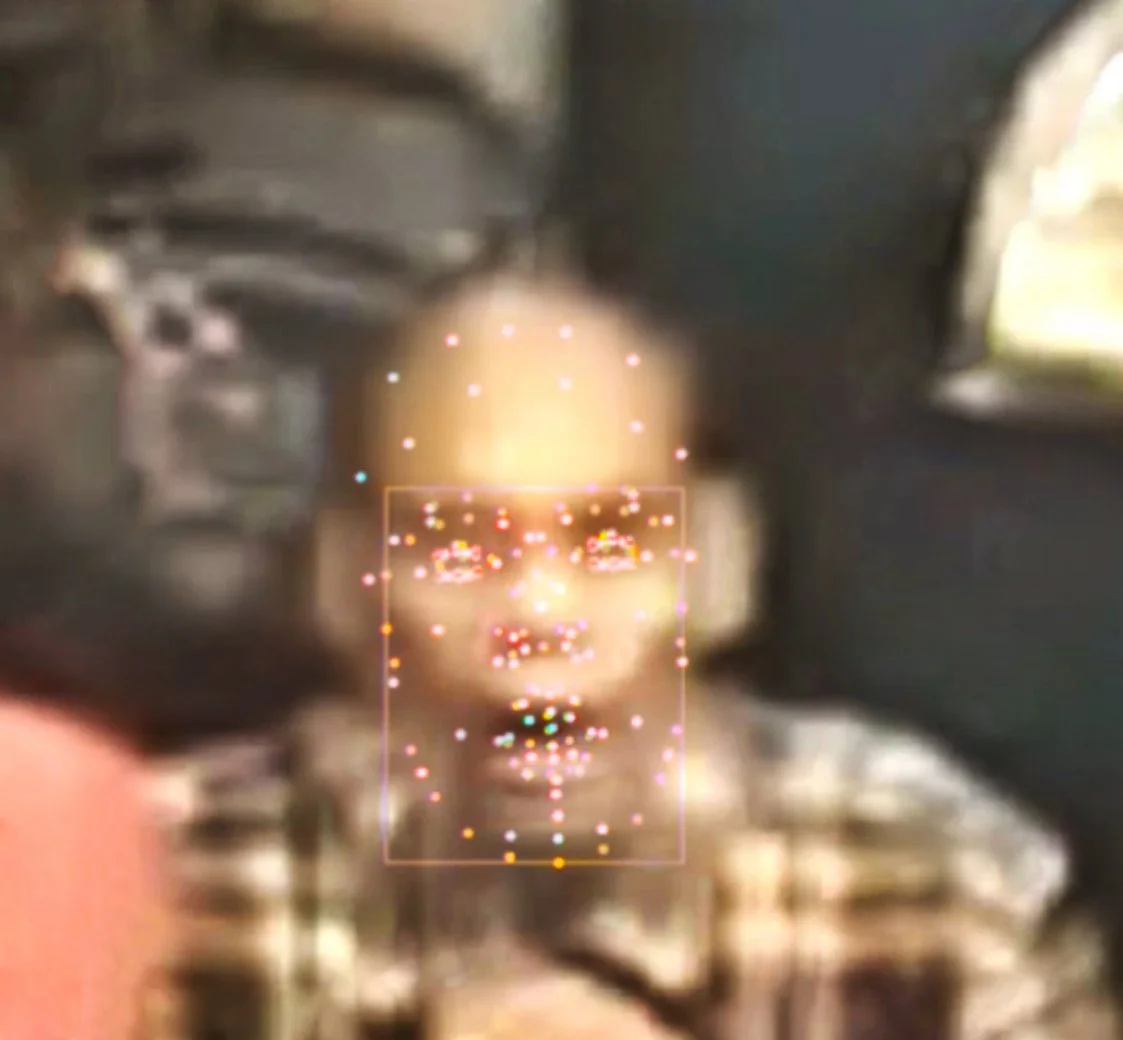
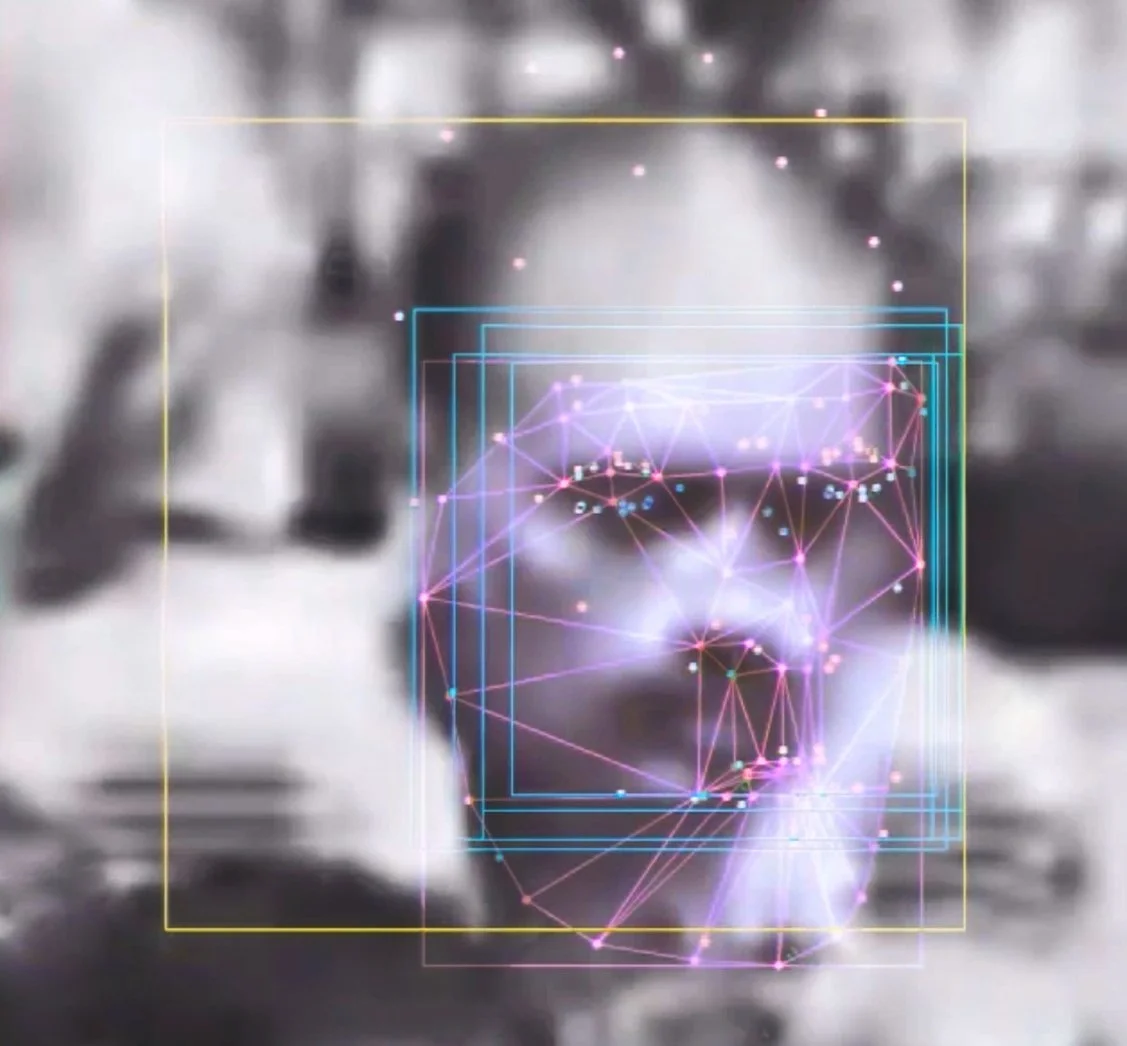
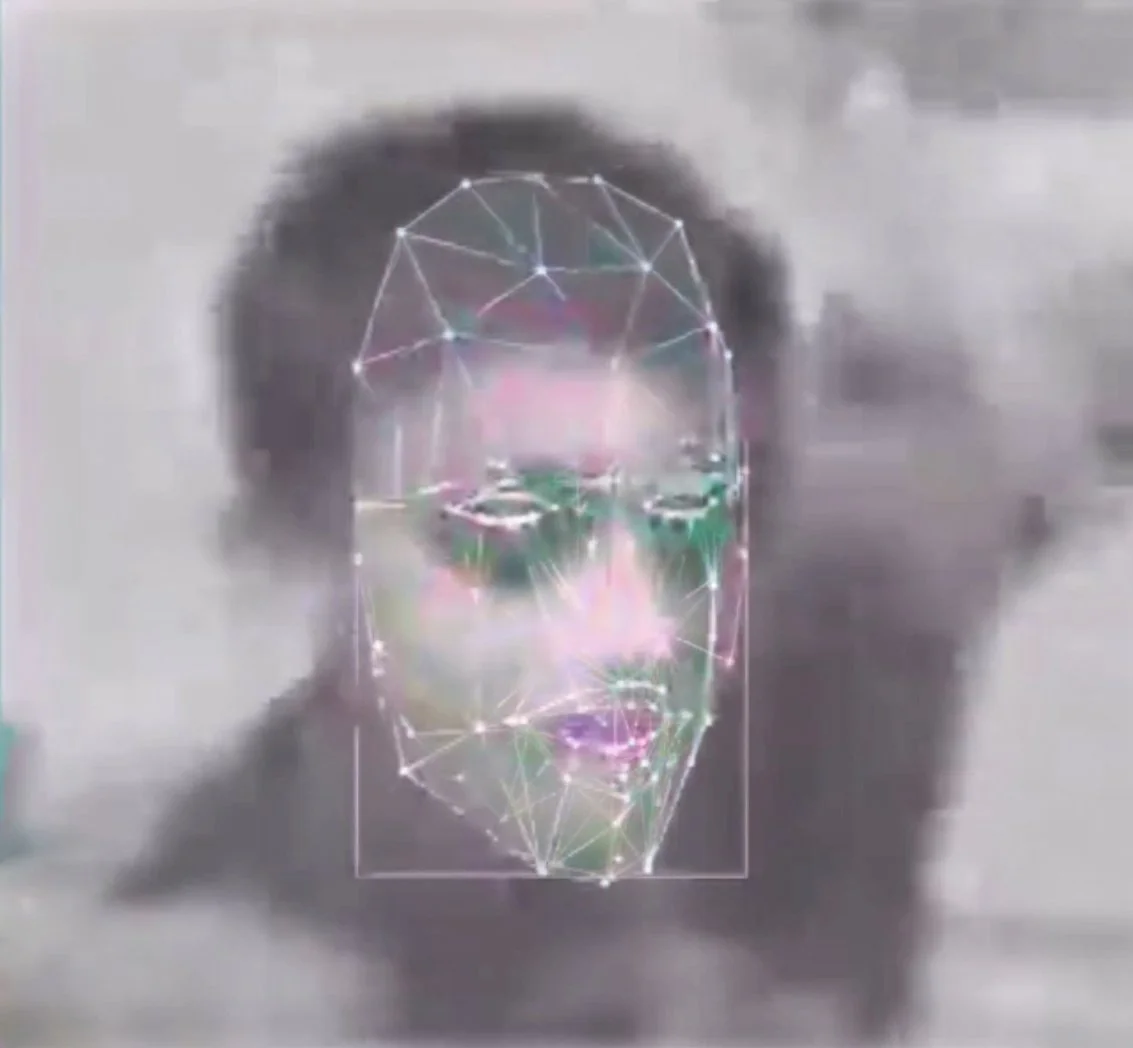
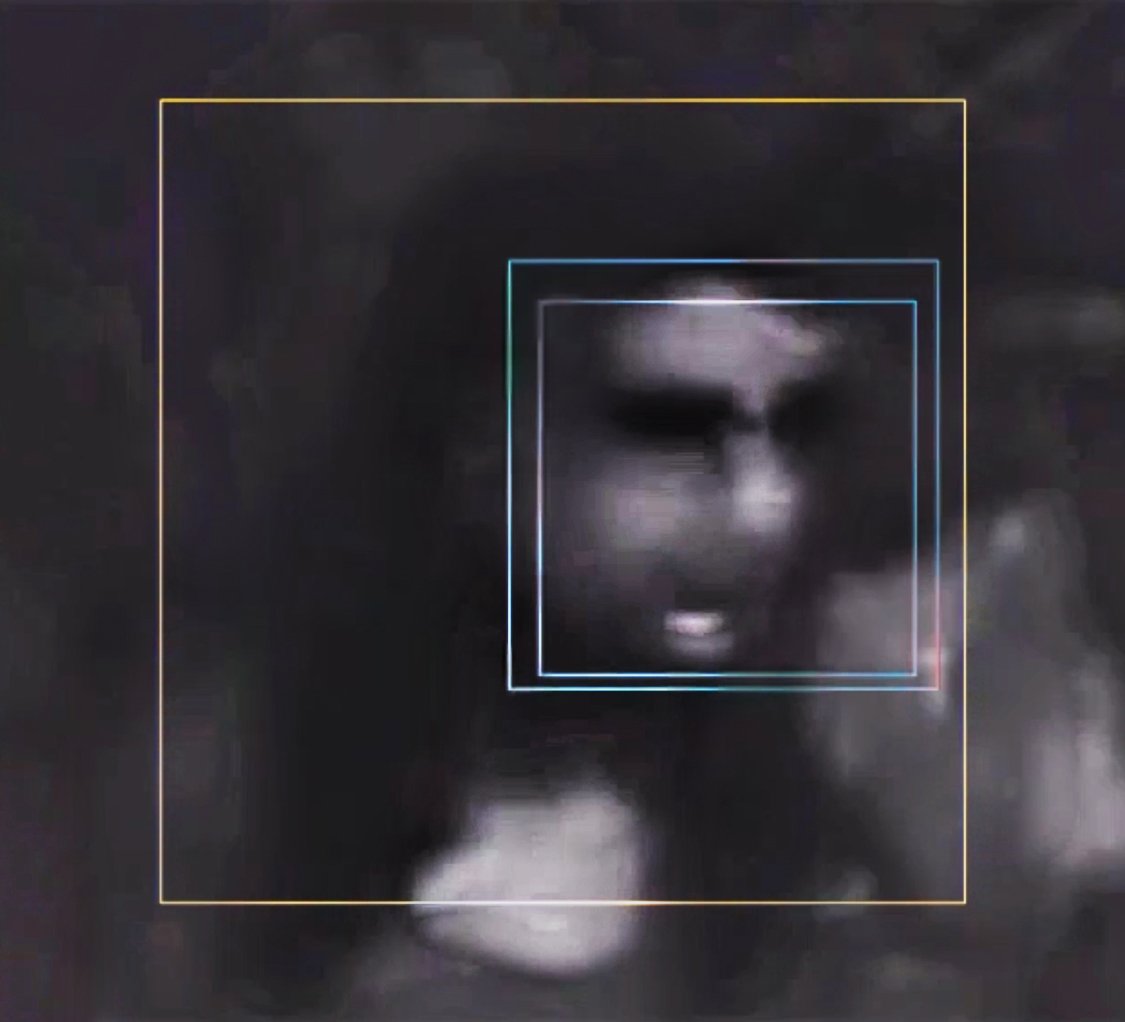
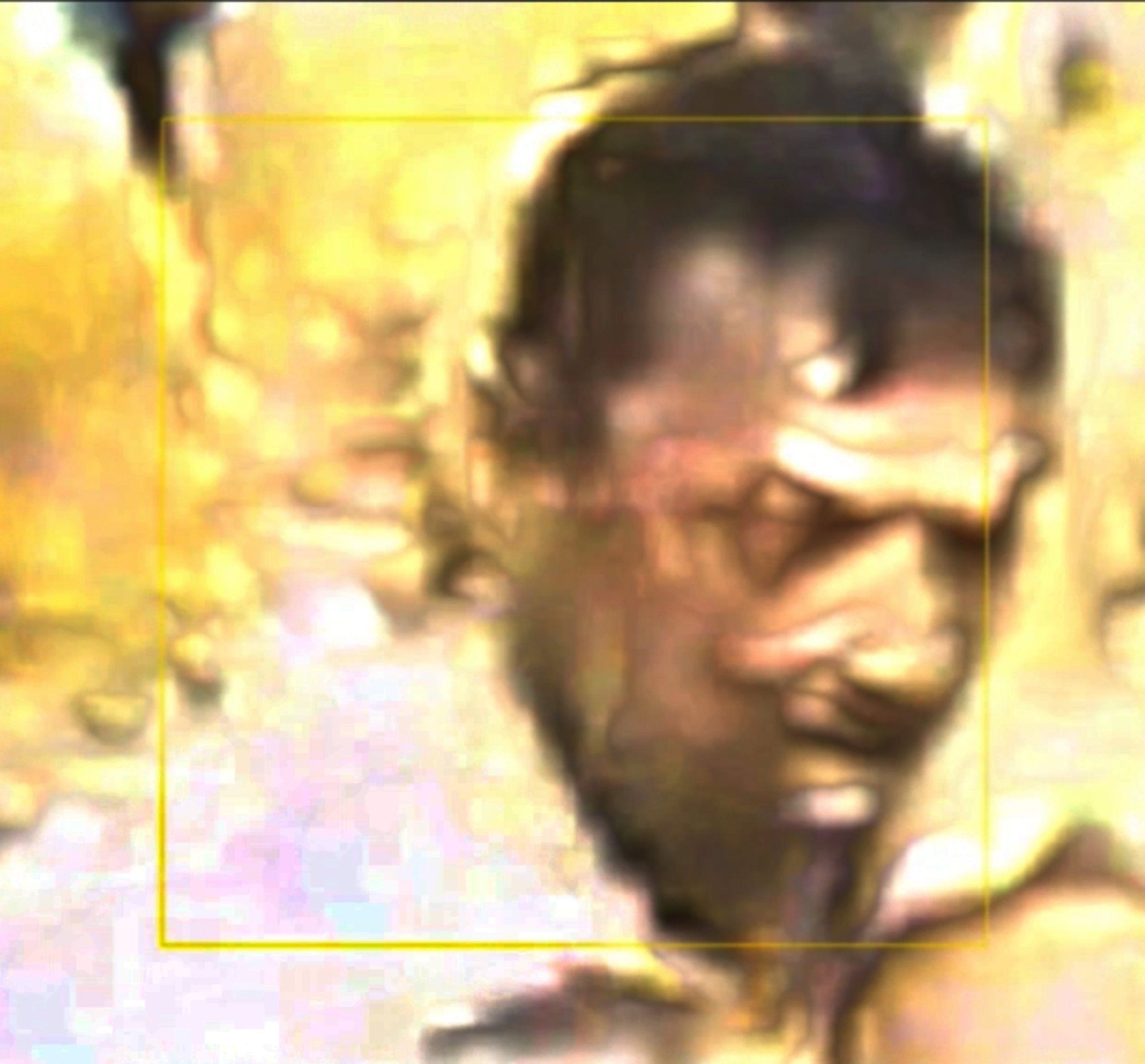
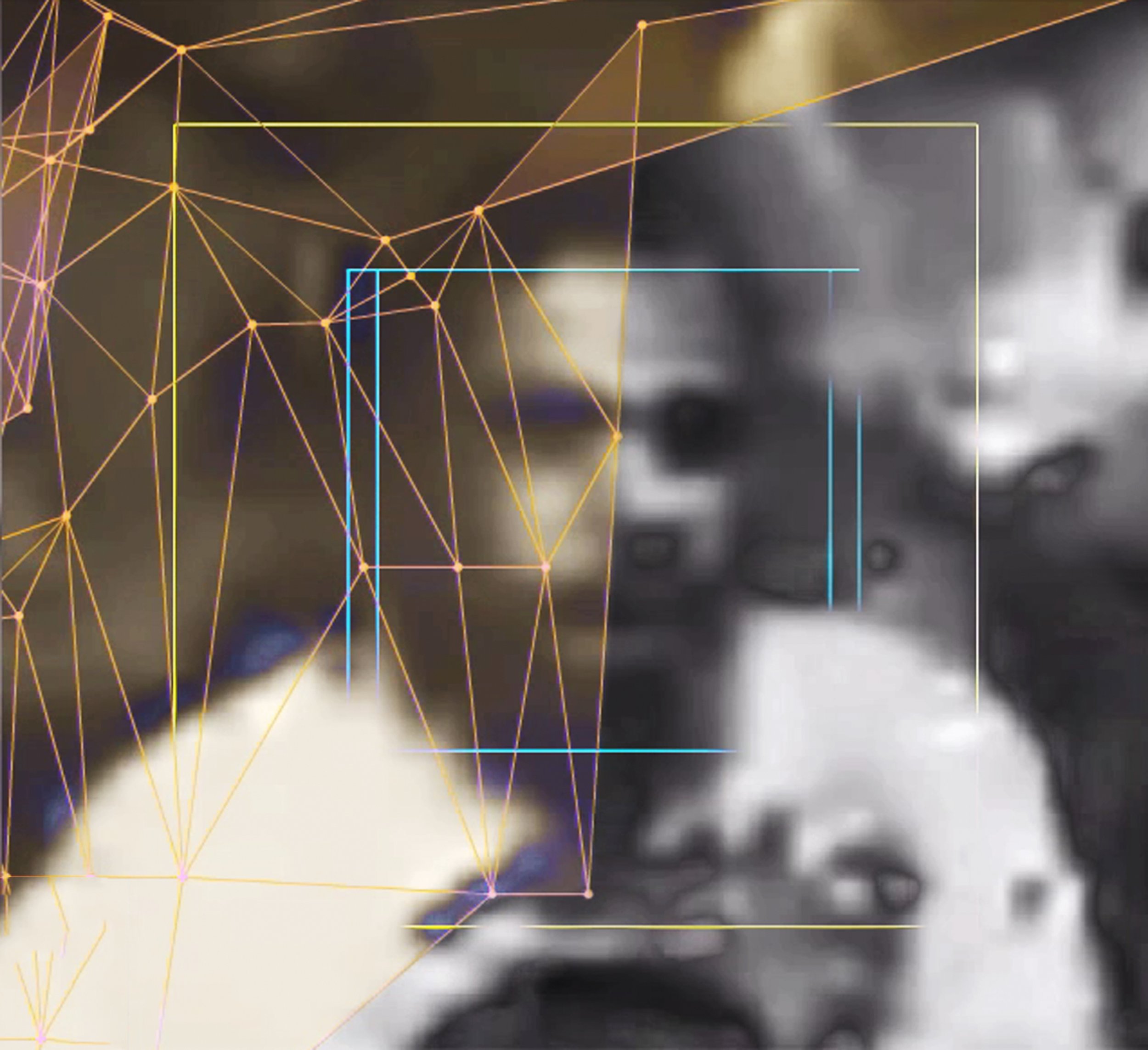
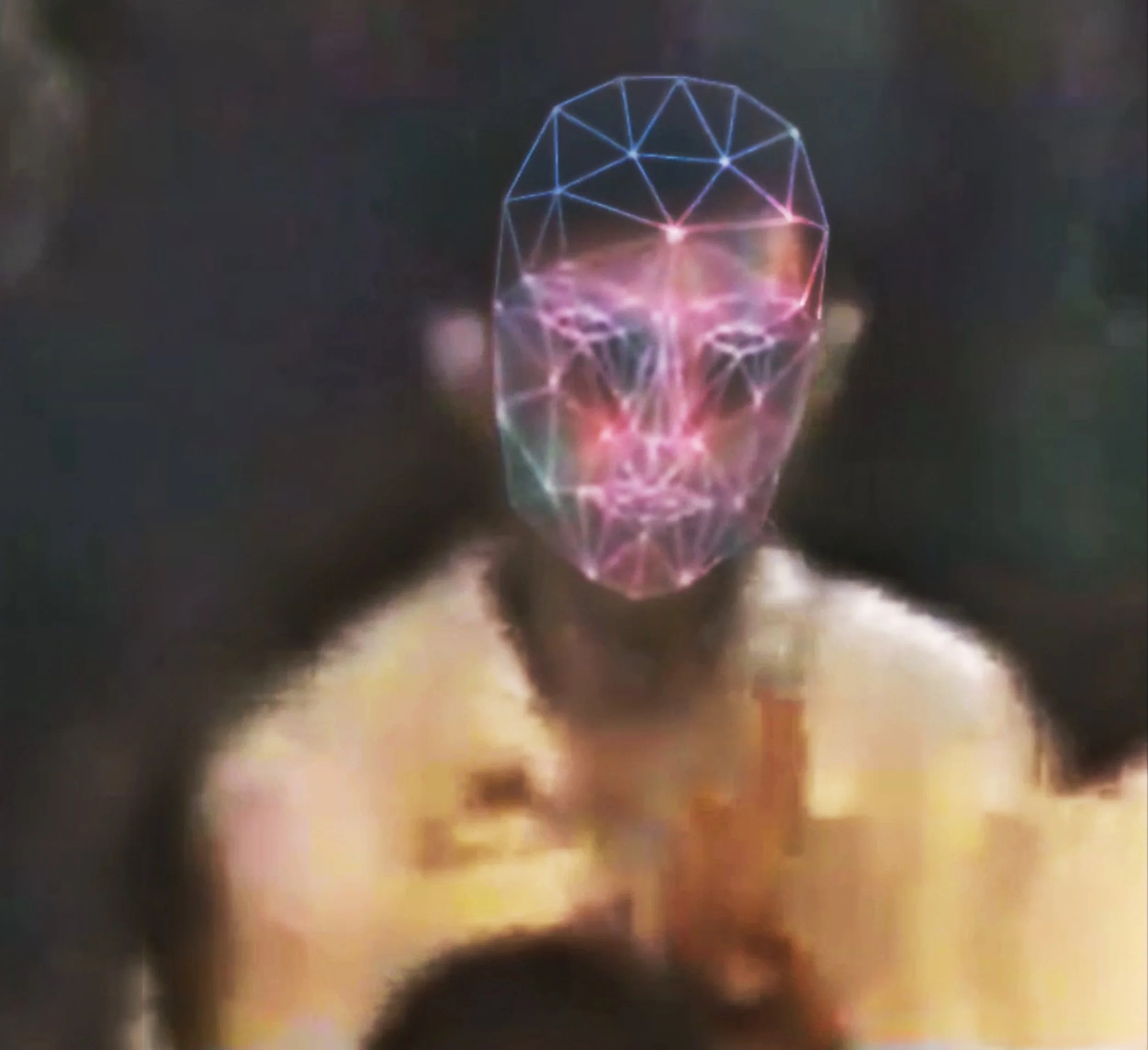
Online darshan arrived quietly, almost as a convenience. A temple installs a webcam, a viewer tunes in from home, and the ritual of sight travels across cables and screens. But beneath this simplicity lies a profound shift in how we understand presence, faith, and the image itself.
In a traditional darshan, the act is reciprocal. You look at the deity, and the deity looks back at you. This exchange completes the experience. The gaze is not just symbolic; it carries a spiritual charge. To be seen by the deity is to receive something. The moment is intimate, fragile, and deeply physical.
When this encounter moves online, the physical collapses into the digital. The worshipper’s desire to see and be seen begins its journey through CCTV cameras, cheap sensors, bandwidth fluctuations, data packets, and servers scattered across the world. What fascinates me is that the energy of the prayer still moves through these systems. It travels along fibre lines and copper wires like a quiet current, crossing routers and nodes as if the devotion itself refuses to be interrupted. A good connection seems to amplify it; a buffering screen or a dropped signal can suddenly feel like a “bad darshan,” as if the spiritual charge has faltered on its long passage through the network.
The devotion is still there, pushing through pixelation and compression. The image tries to hold the experience together, trying to resolve itself just as the devotee tries to hold their moment of connection with the deity. In that shared struggle, one human and one digital, there is something tender.
Yet the same systems that allow this intimate, long-distance worship are also systems of surveillance. The temple’s webcam, meant to relay the deity’s image to believers, also captures the faces of the devotees themselves. These faces are broadcast, stored, scanned, and sometimes analyzed by algorithms that know nothing of devotion. The believer looks at the deity, but the camera looks at the believer. The sacred and the administrative overlap in a quiet, unintended choreography.
Online darshan therefore becomes a strange loop of visibility. The devotee offers their gaze upward. The camera captures it sideways. The algorithm isolates it. The viewer at home receives it. The deity remains still, yet still central, in a circuit that now includes machines and networks, an expanded temple stretching across the invisible pathways of the internet.
In this sense, the digital glitch becomes more than a technical error. It becomes evidence of effort, a visible sign of the transmission trying to hold itself together. A freezing frame, a blocky face, a shower of pixels, they all reveal the tension between spiritual desire and technological limitation. The glitch makes the struggle visible. It shows the image trying, just like the devotee.
Online darshan reveals that the internet is no longer just a tool. It has become a space where ancient rituals continue to breathe, shaped by code, cables, and chance. Faith now travels through a fragile system built for surveillance, commerce, and administration, yet it still carries something human, something sincere. The prayer moves forward, almost like a pulse riding through the wires.
Somewhere between the temple and the screen, between seeing and being seen, a new kind of darshan emerges, one shared by the devotee, the machine, and the long, trembling pathway of the network itself.
Galleria Continua, Les Moulins, France
Sphères 2014 (Sphères 7)
Dates: October 2014 to December 2014
Format: Video projection
Presented by Chatterjee & Lal as part of the international group exhibition Sphères.
This was the earliest public presentation of the work.
Chatterjee & Lal, Mumbai, India
Solo exhibition: A Thousand Kisses Deep
Dates: August 2015
Format: Full installation version (video mapped onto frosted glass)
This was the primary exhibition of the trilogy, including Being Seen Trying, Send Some Candids, and A Thousand Kisses Deep.
LOOP Barcelona, Spain
LOOP Barcelona Video Art Fair 2015
Dates: June 2015
Format: Single-channel version (16-minute video)
Presented by Chatterjee & Lal
The show received extended display due to audience interest.