A Thousand Kisses Deep
A Thousand Kisses Deep is a generative artwork created in 2015, during a moment when images of young couples kissing began appearing openly on Indian social media for the first time. These small gestures, shared online, signaled a quiet shift in how intimacy entered public space. Instead of presenting these photographs directly, the project treats them as digital material, as pixel-based traces of a changing culture.
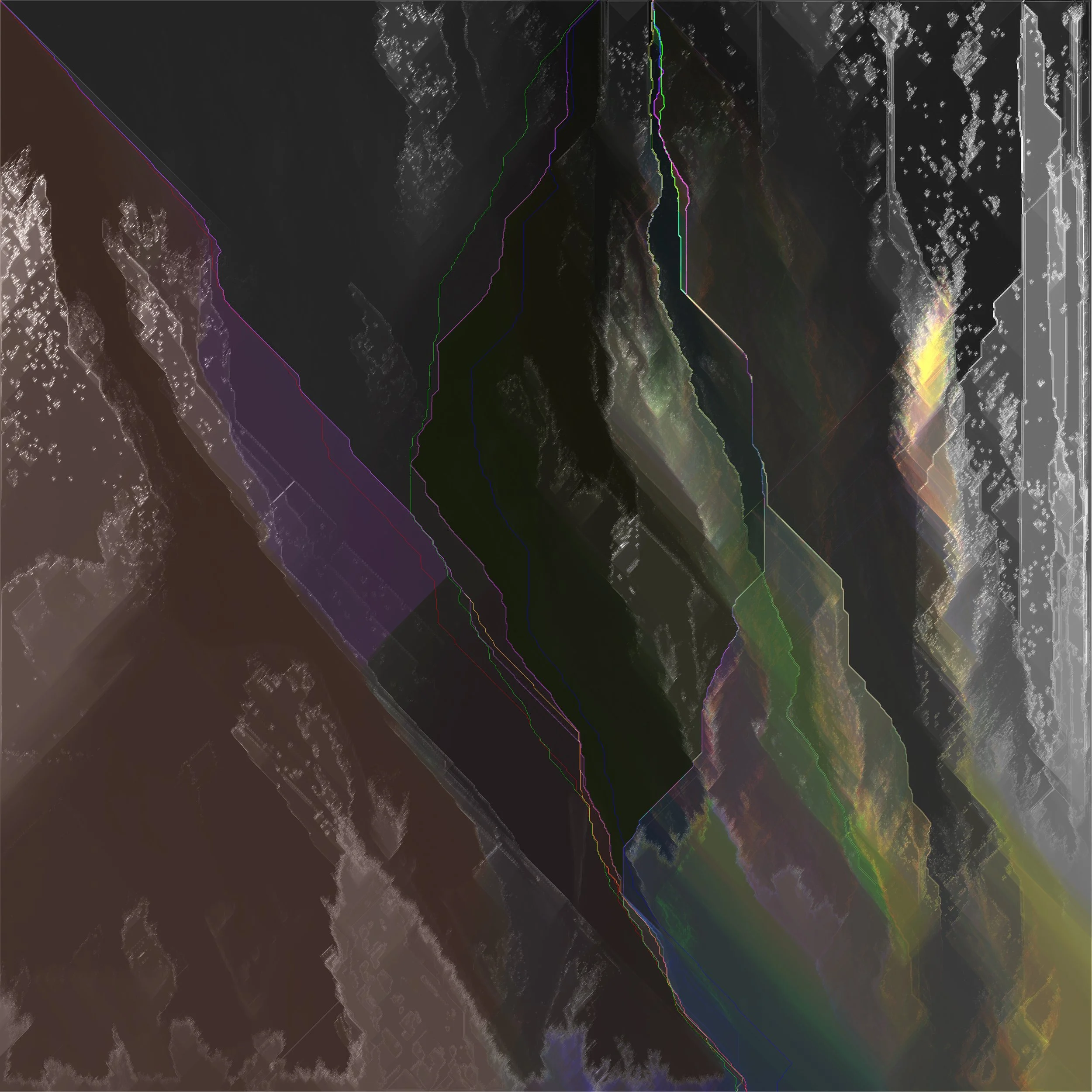
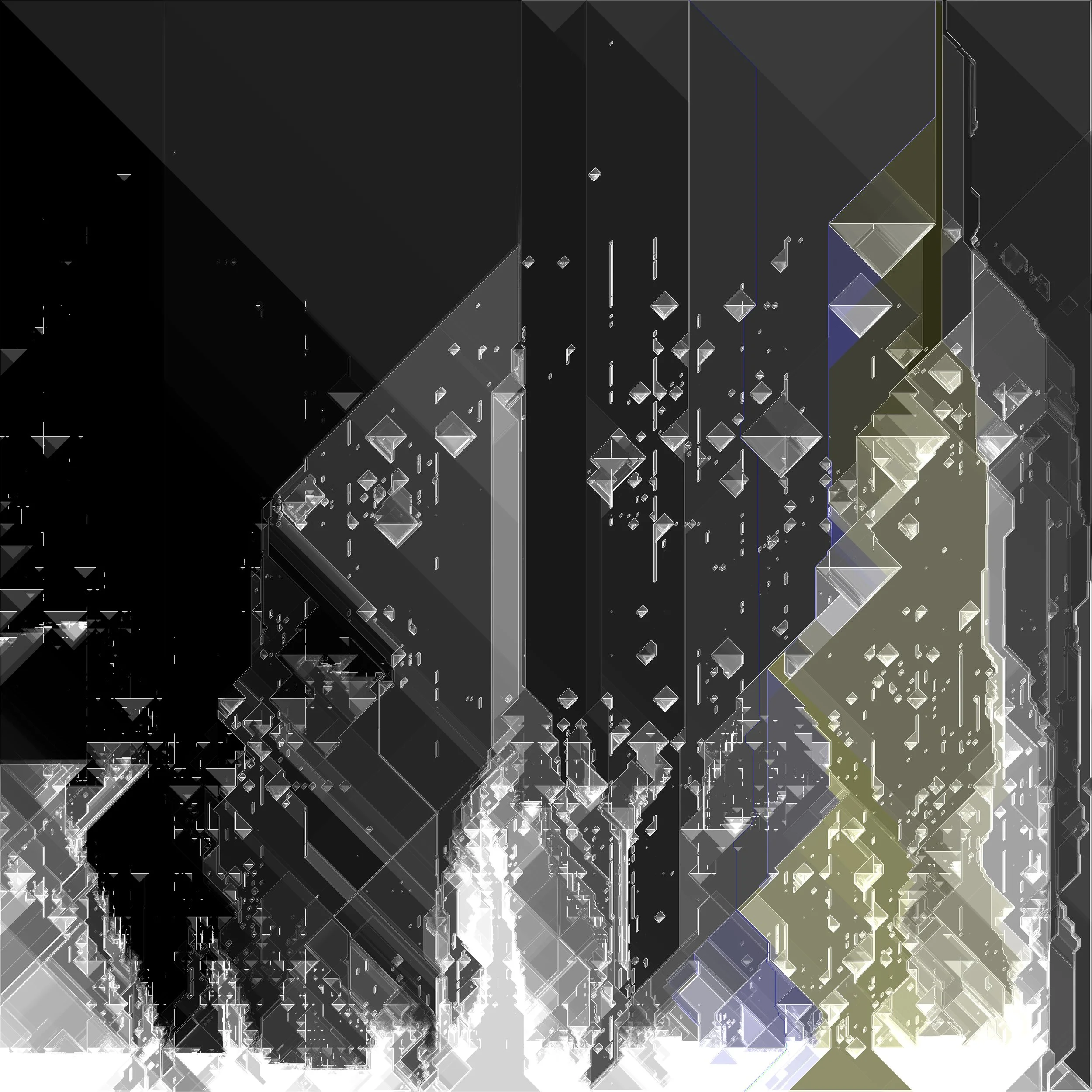
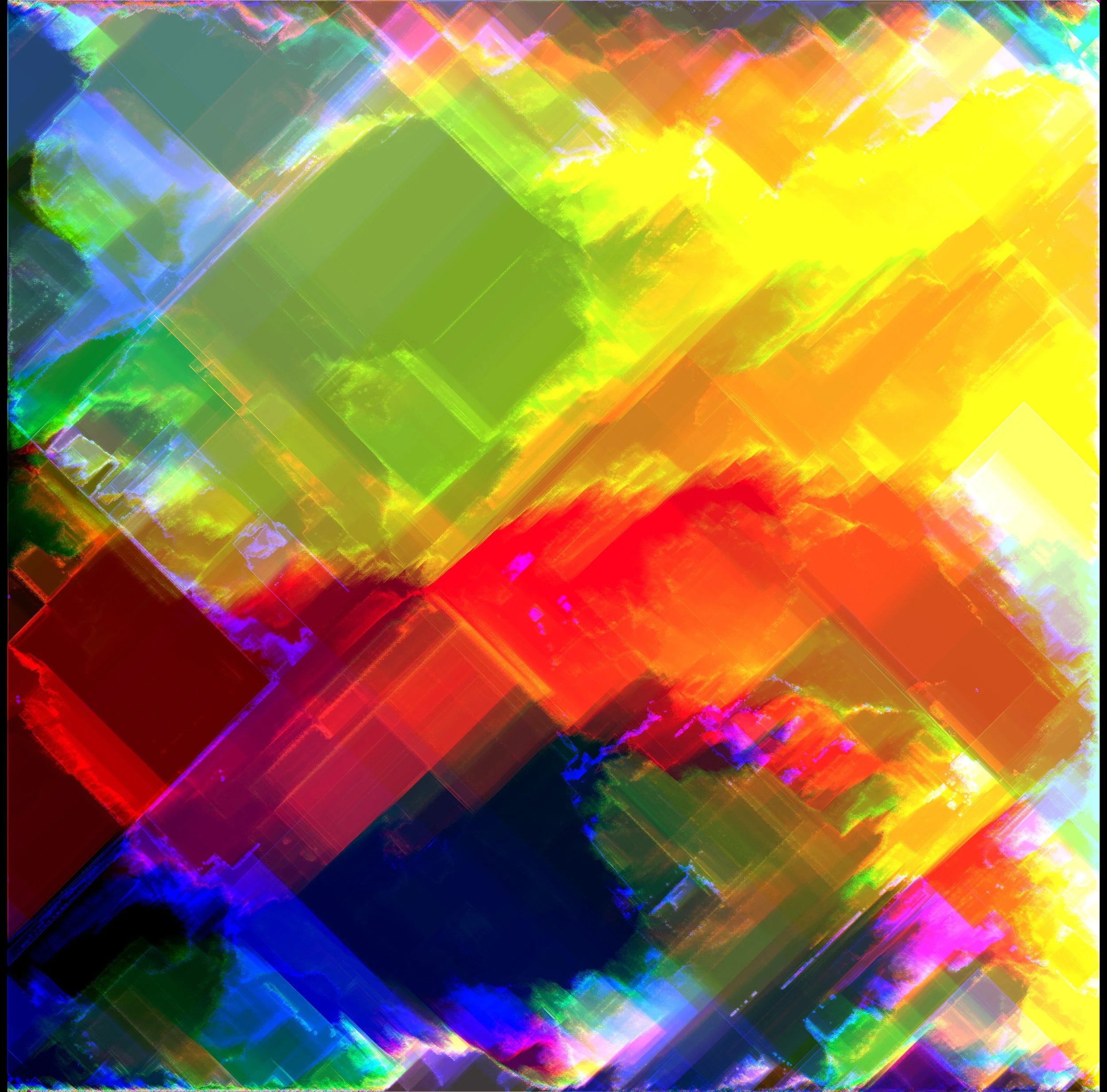
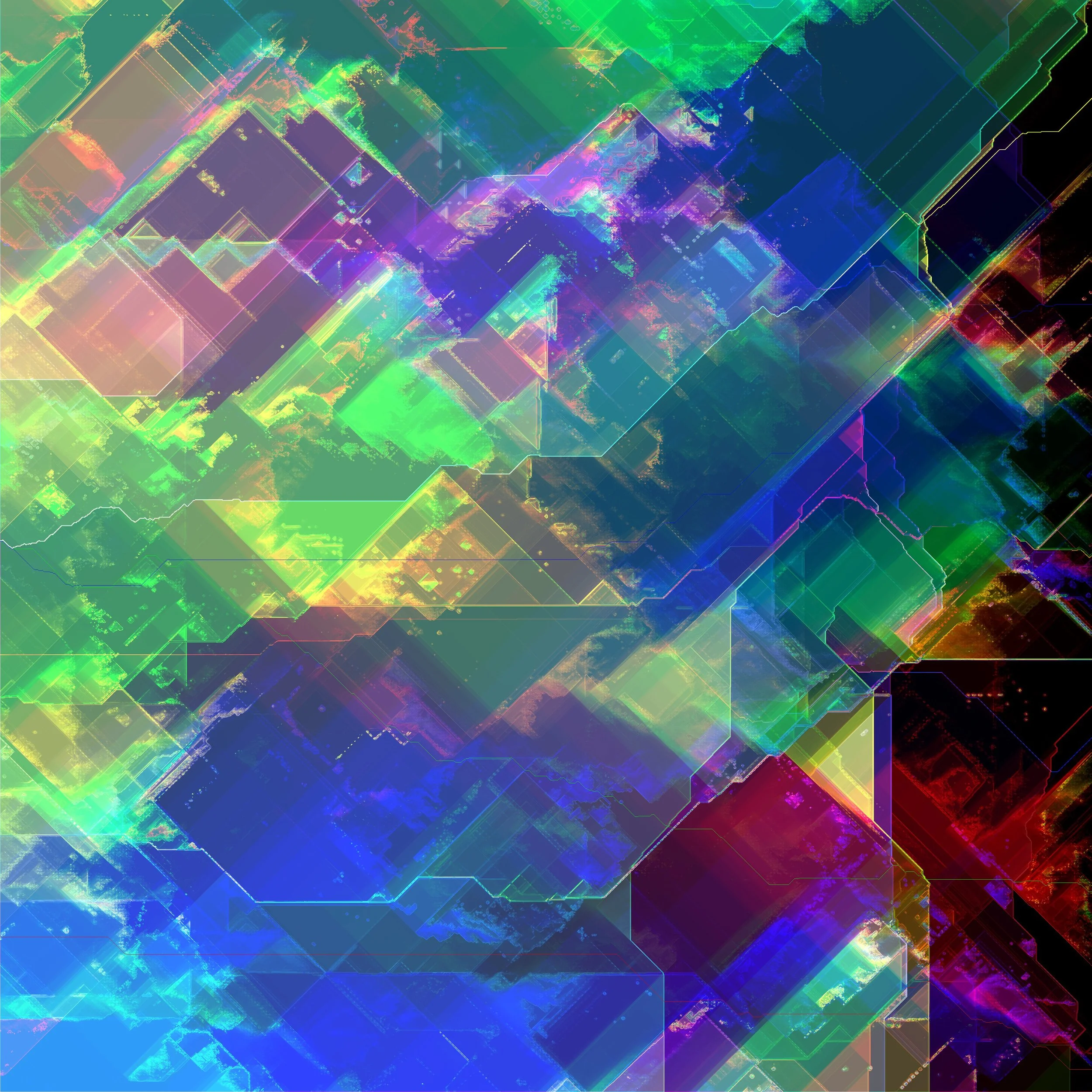
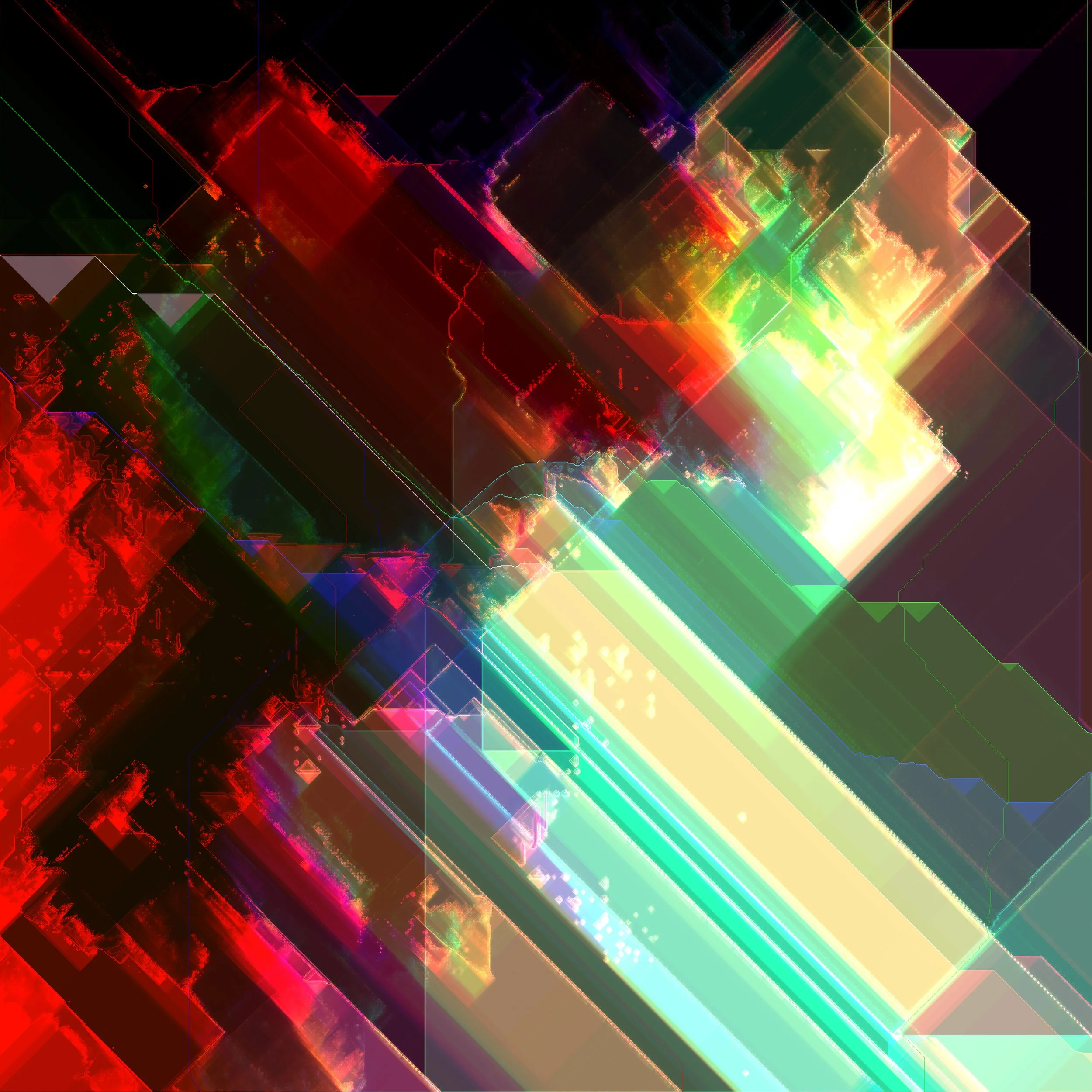
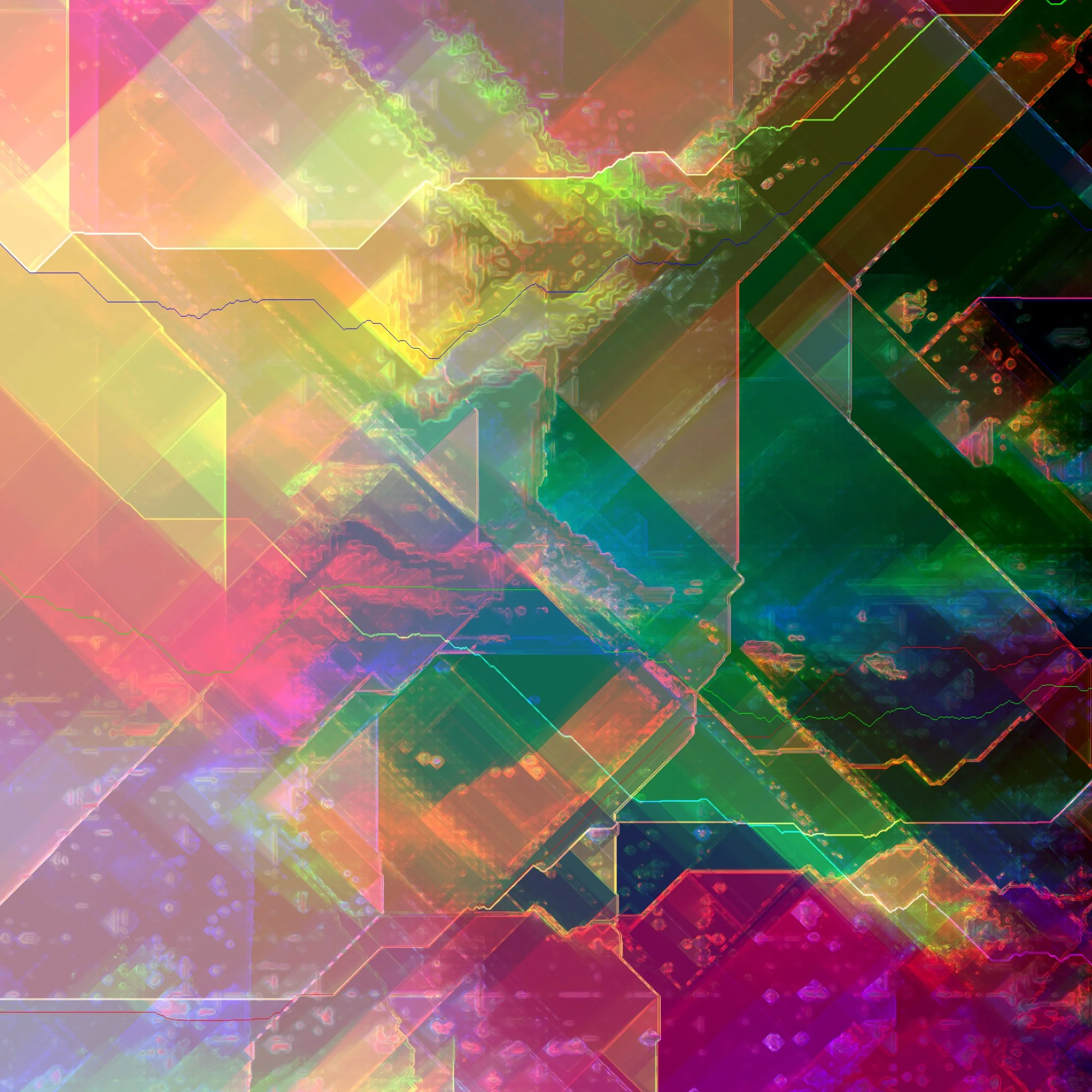
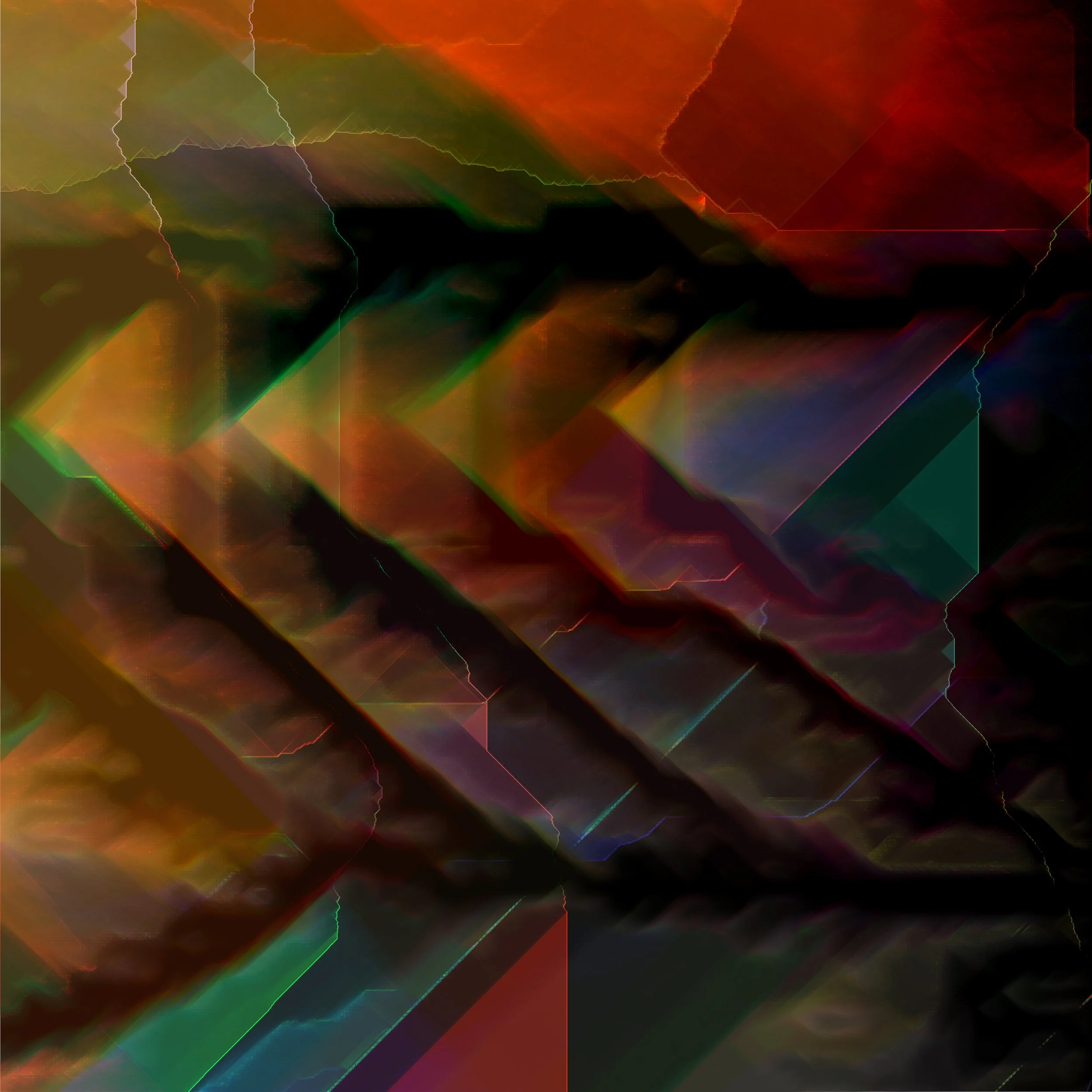
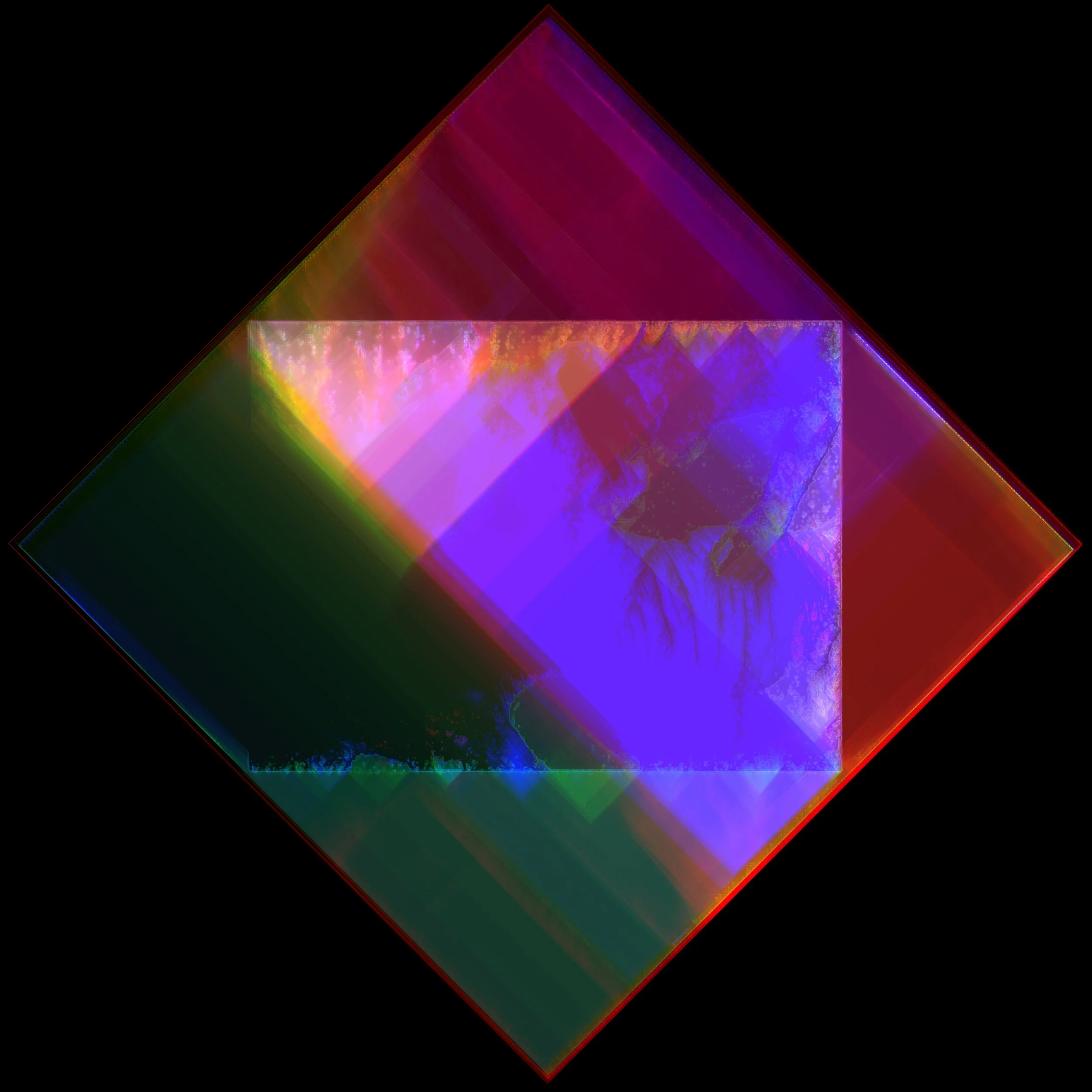
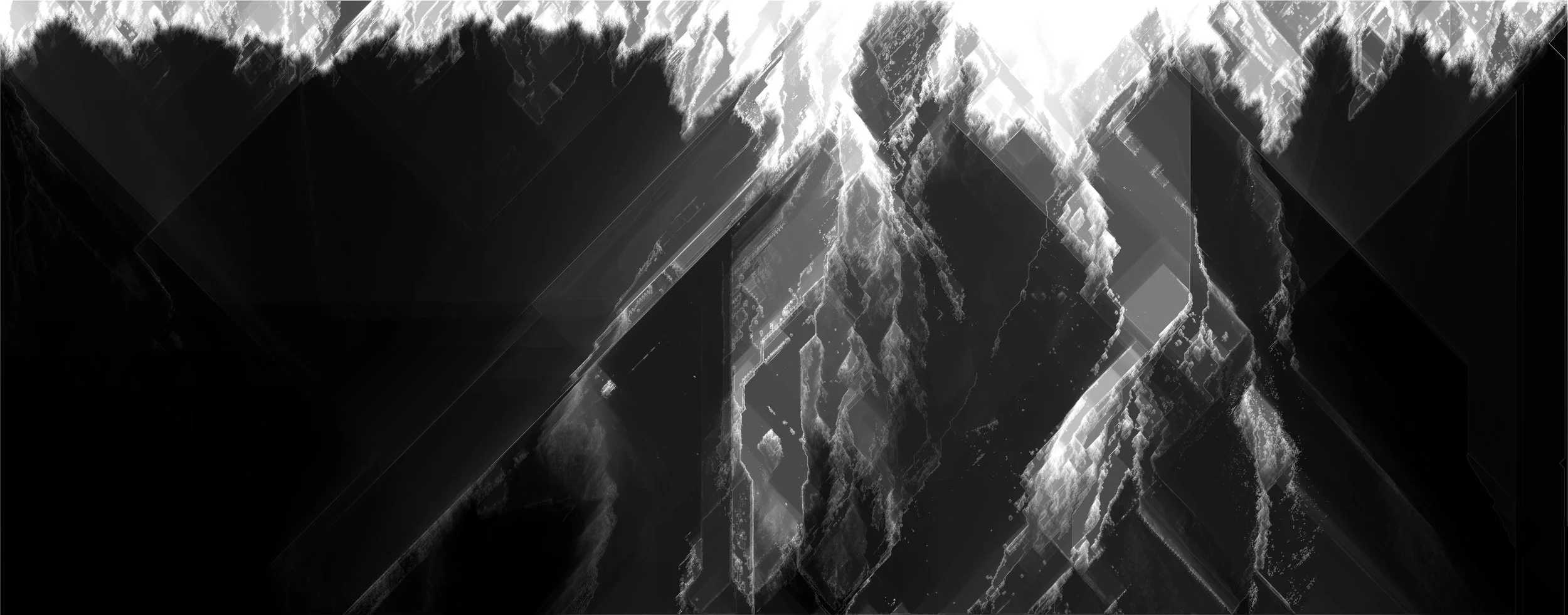
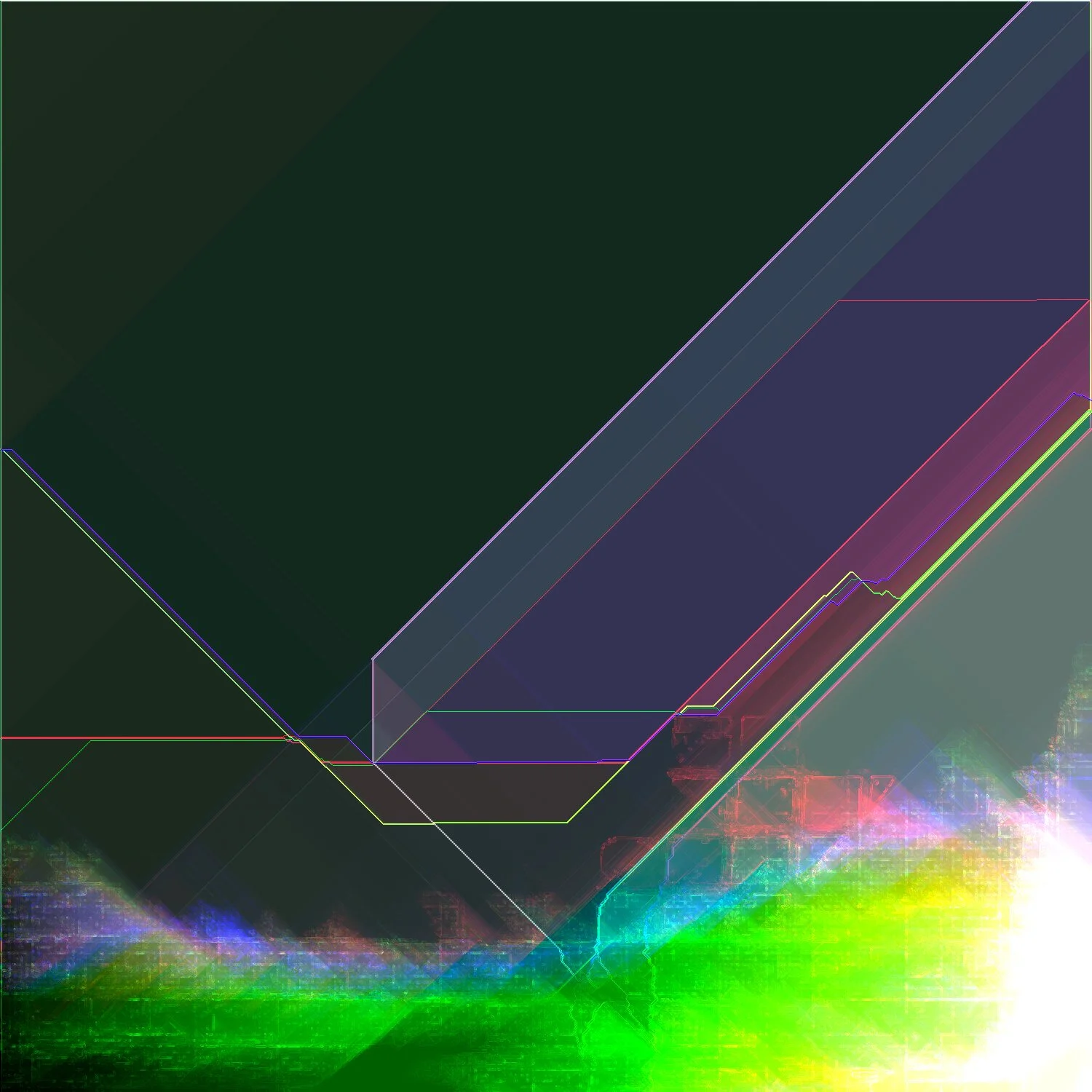
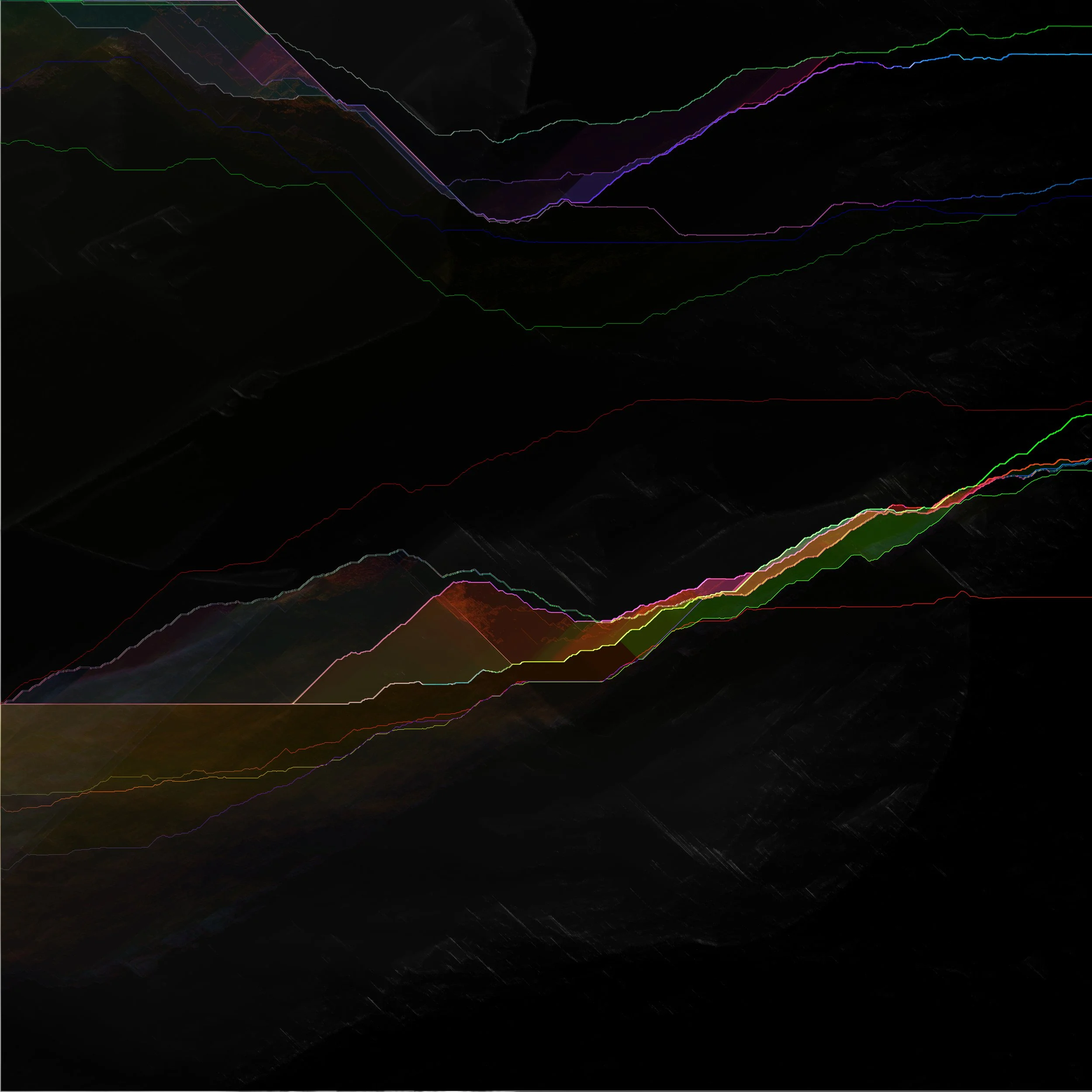
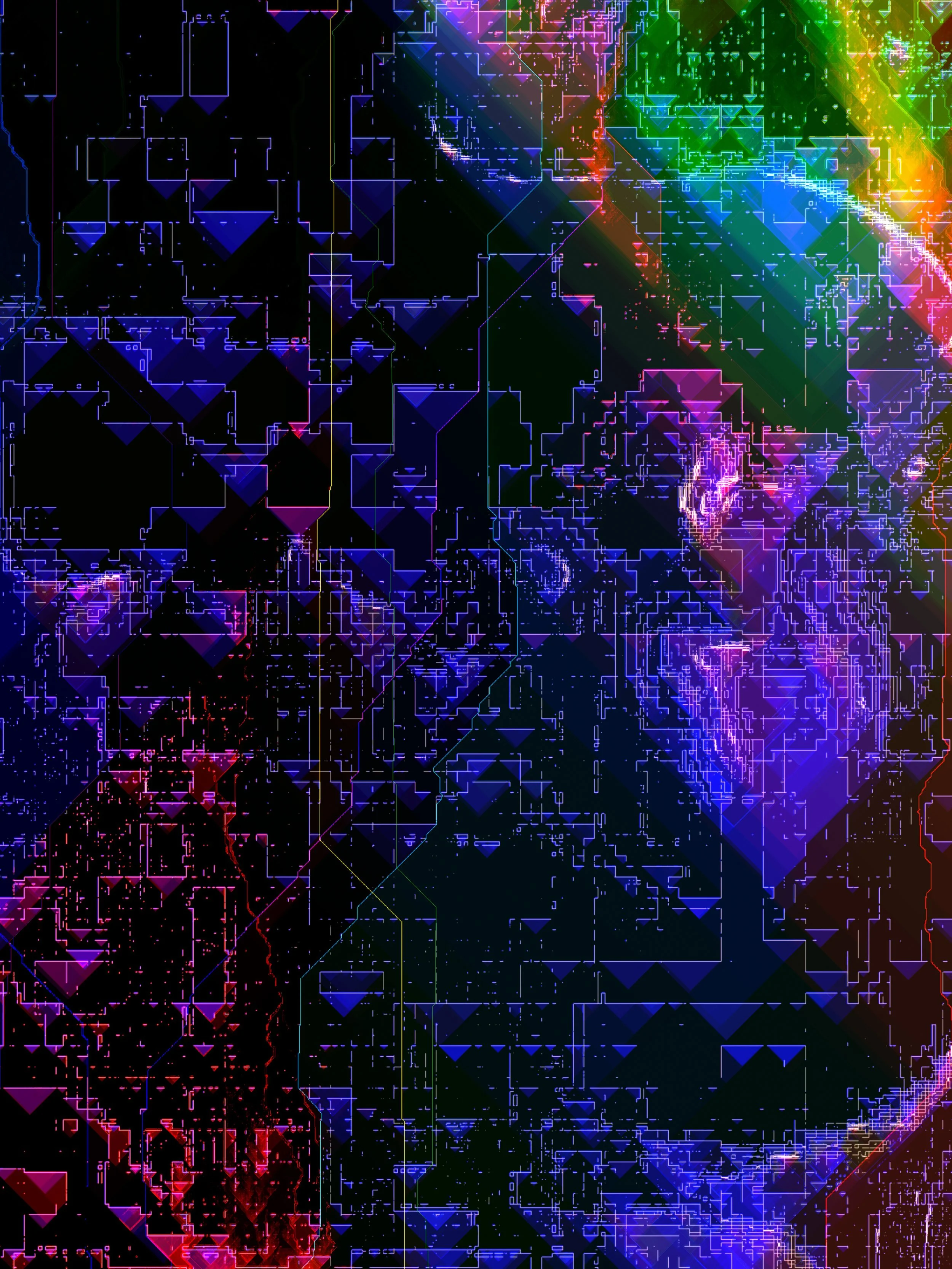
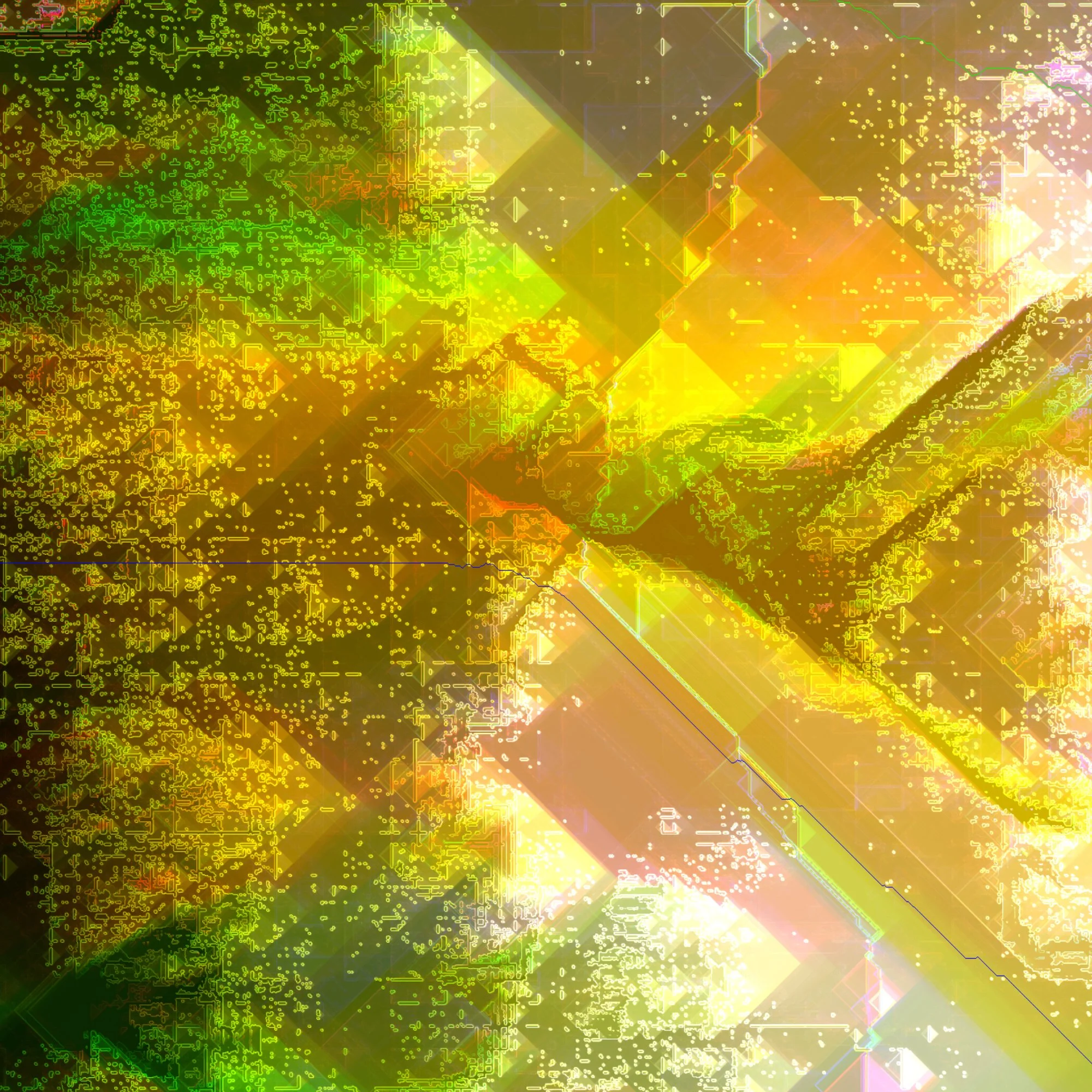
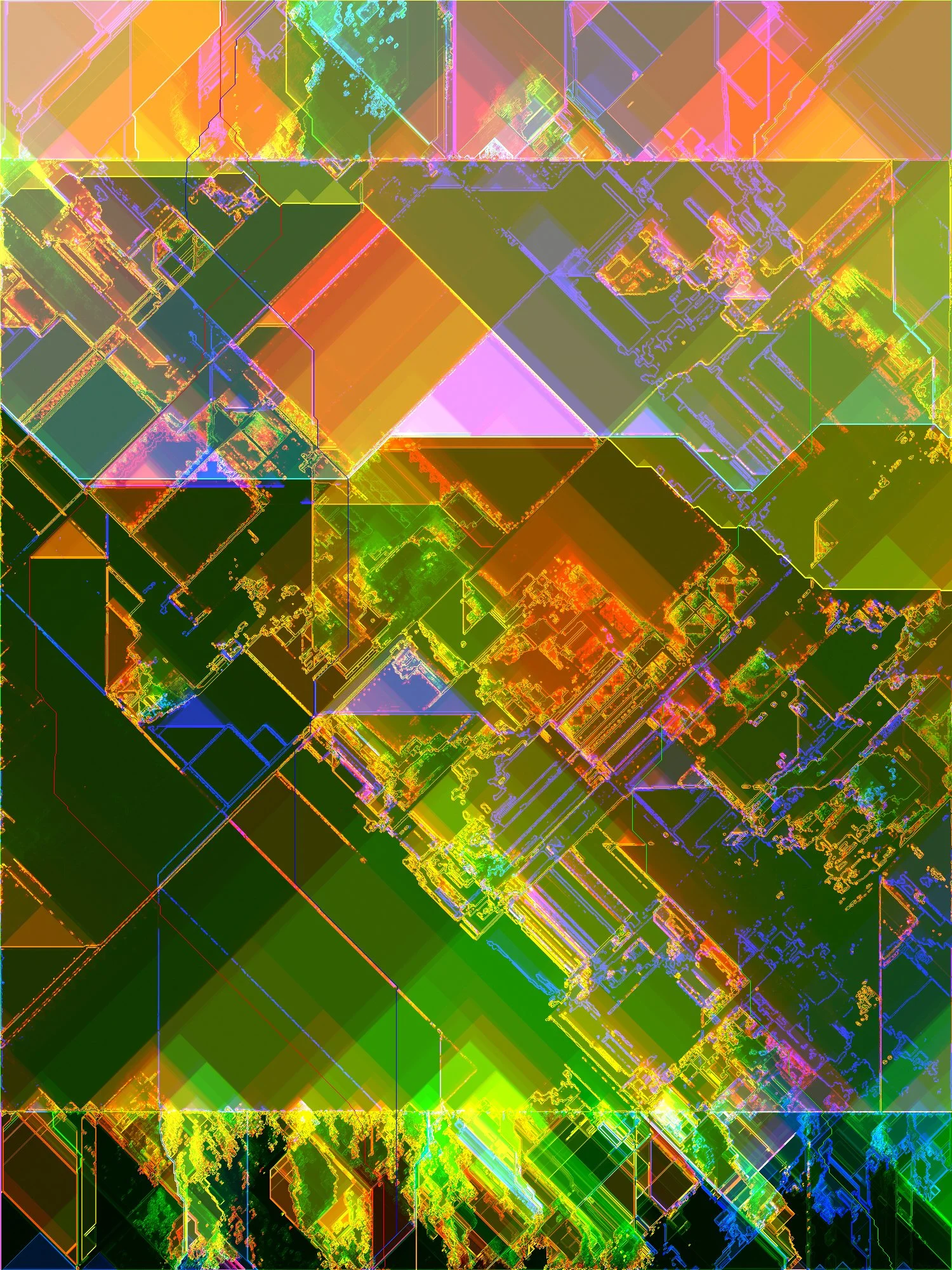
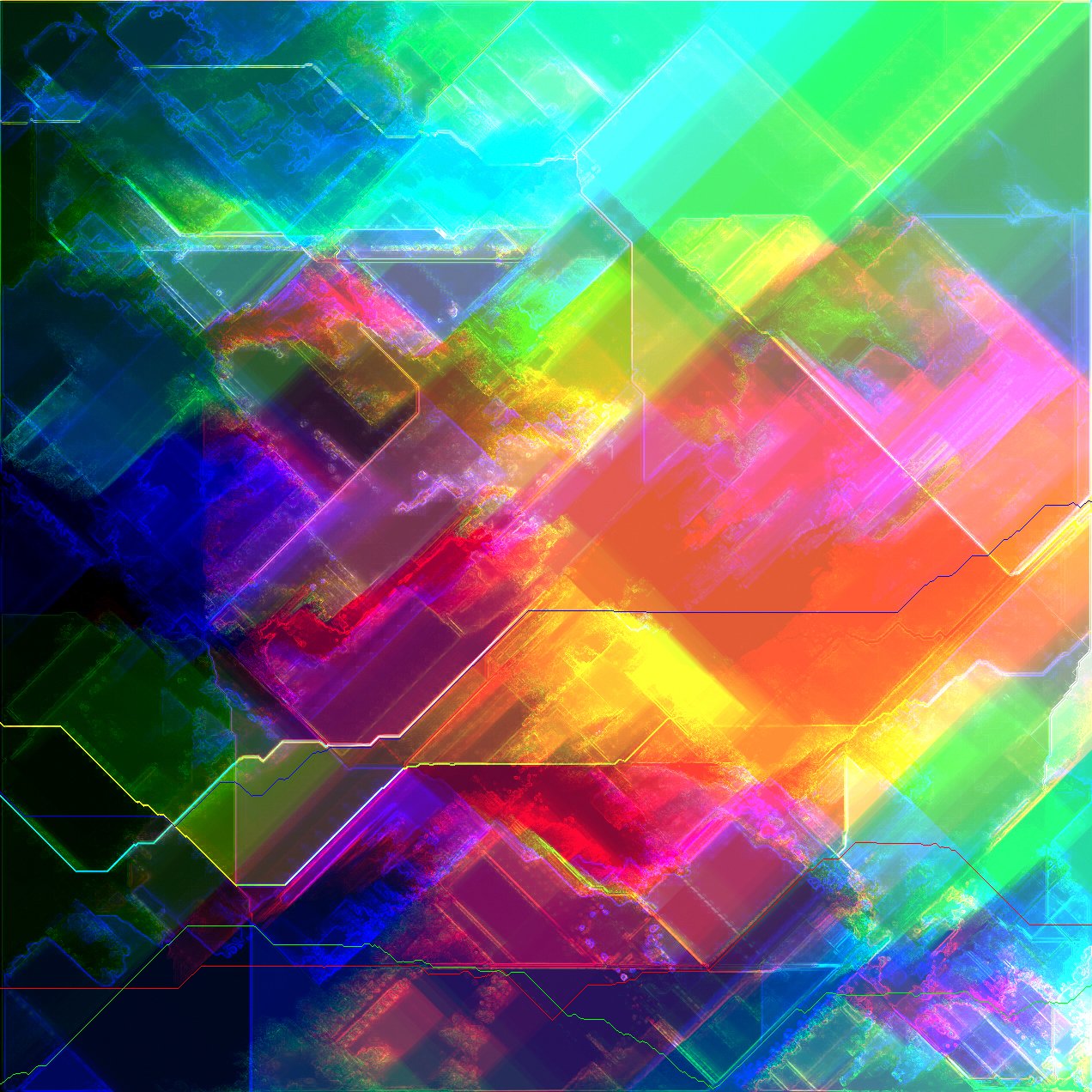
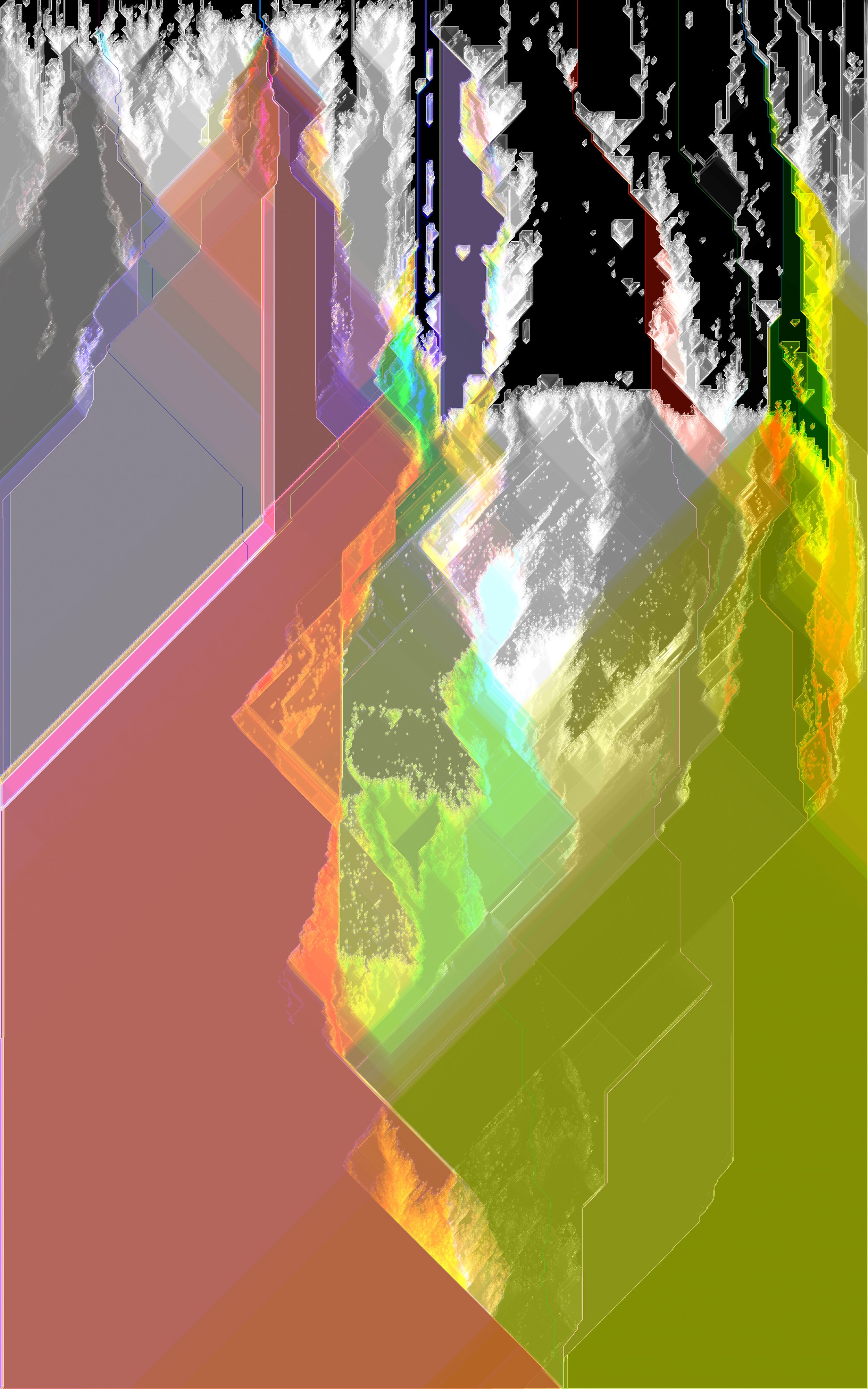
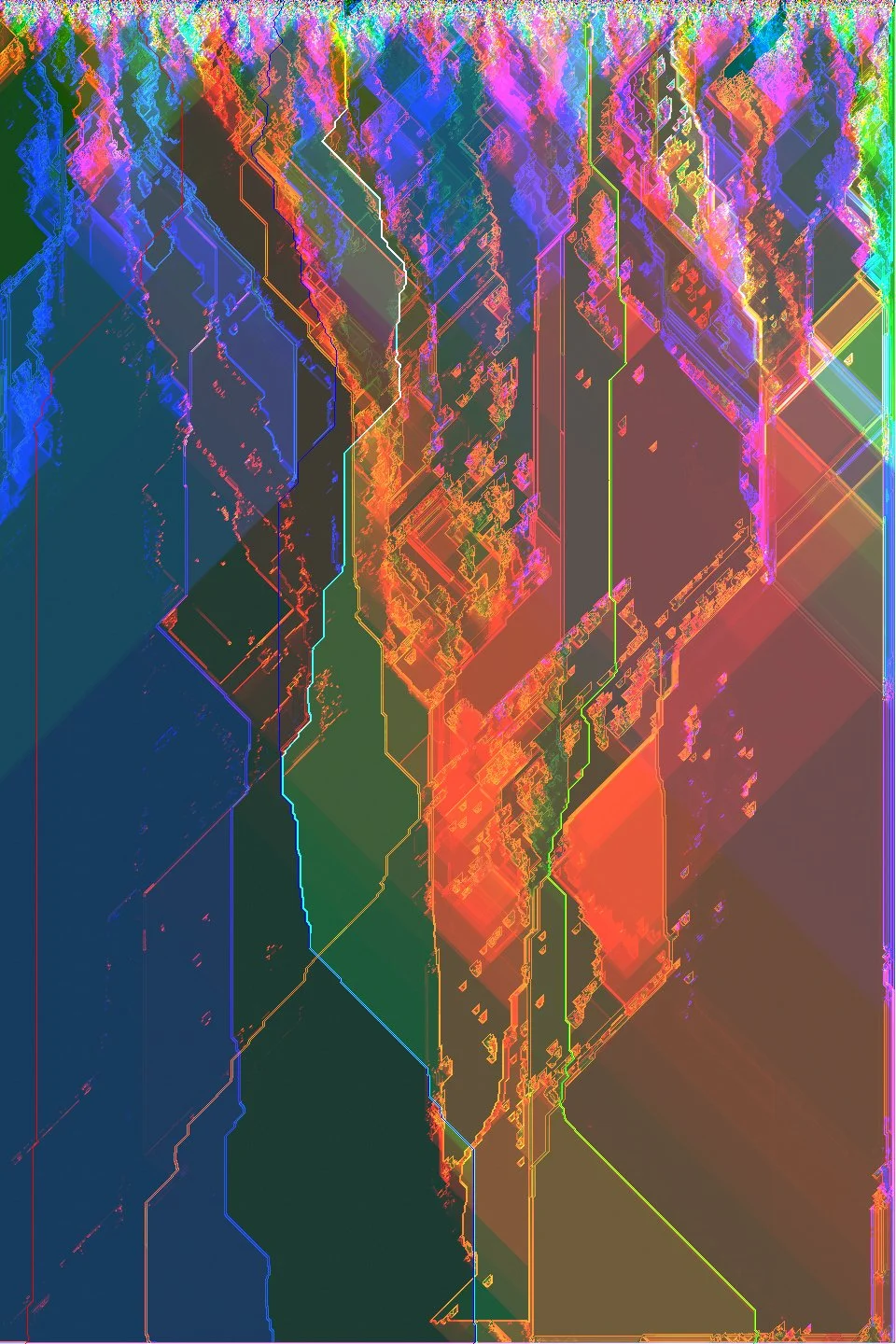
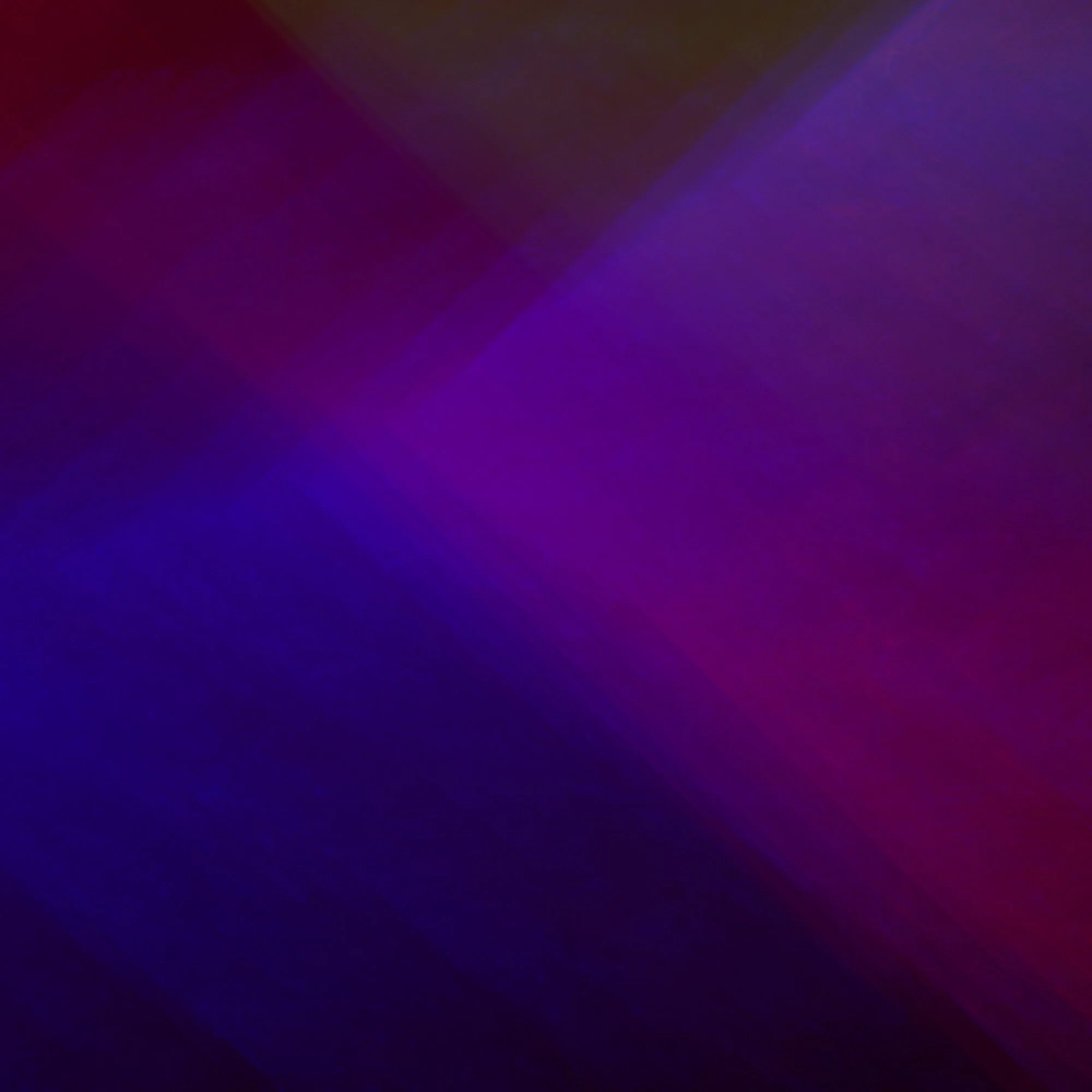
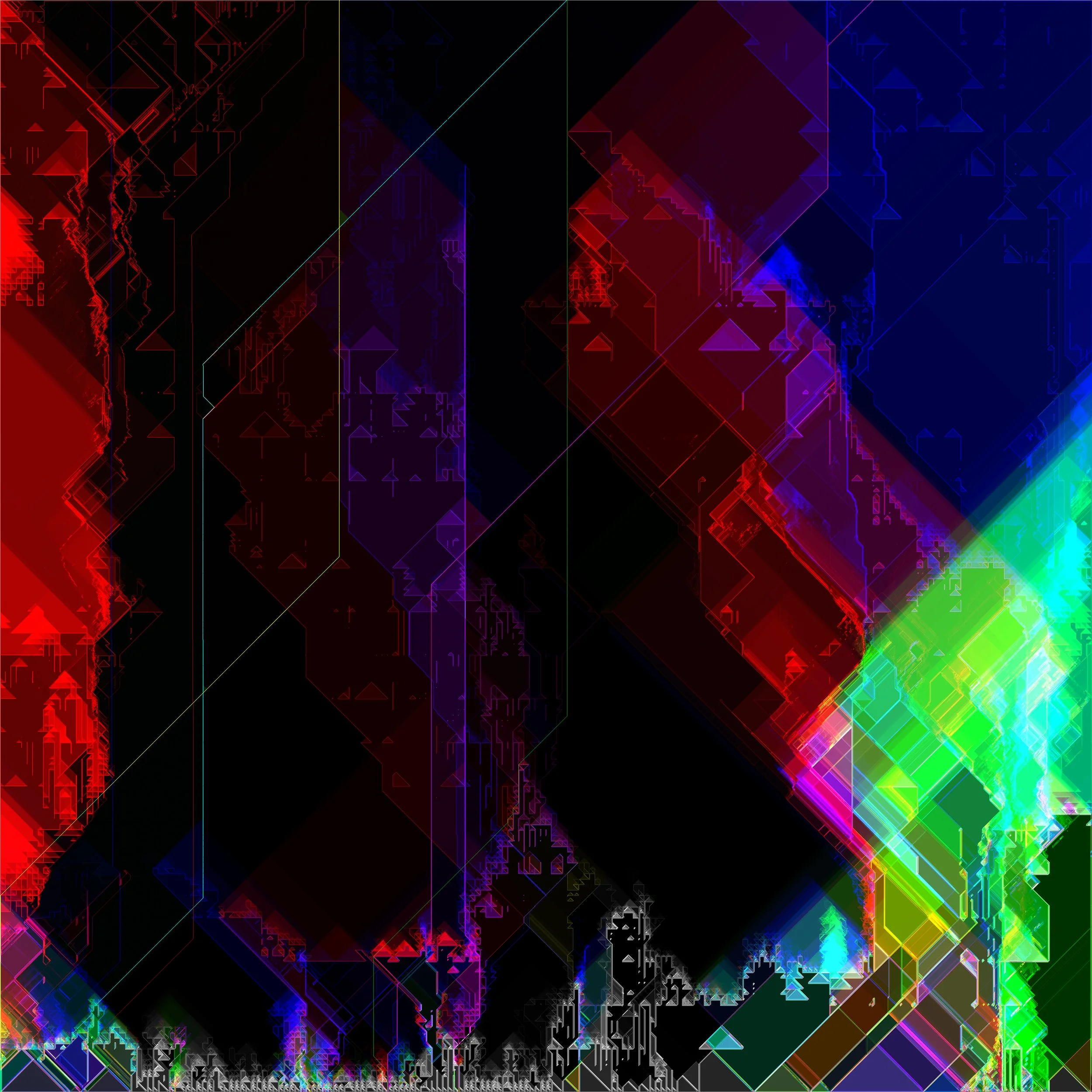
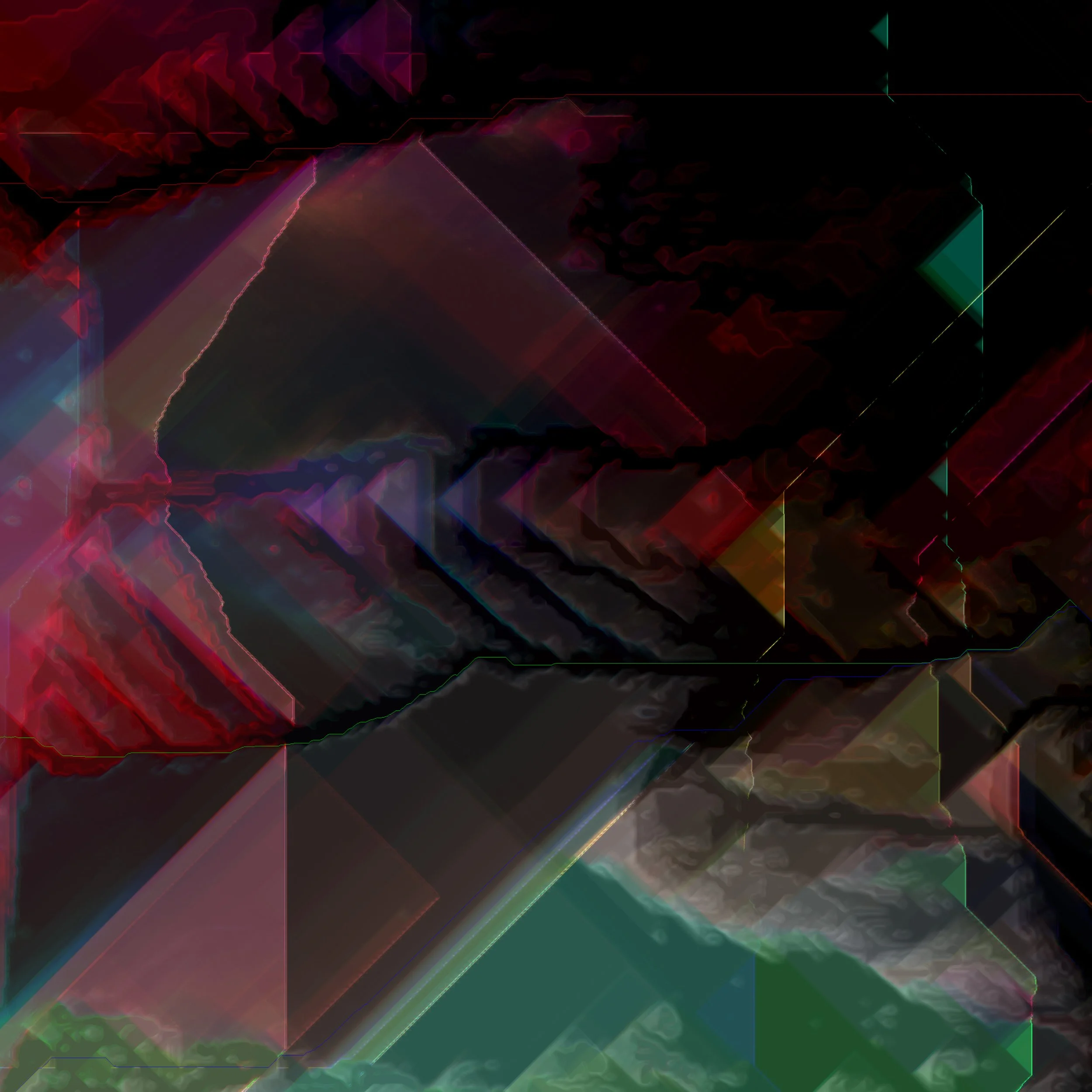
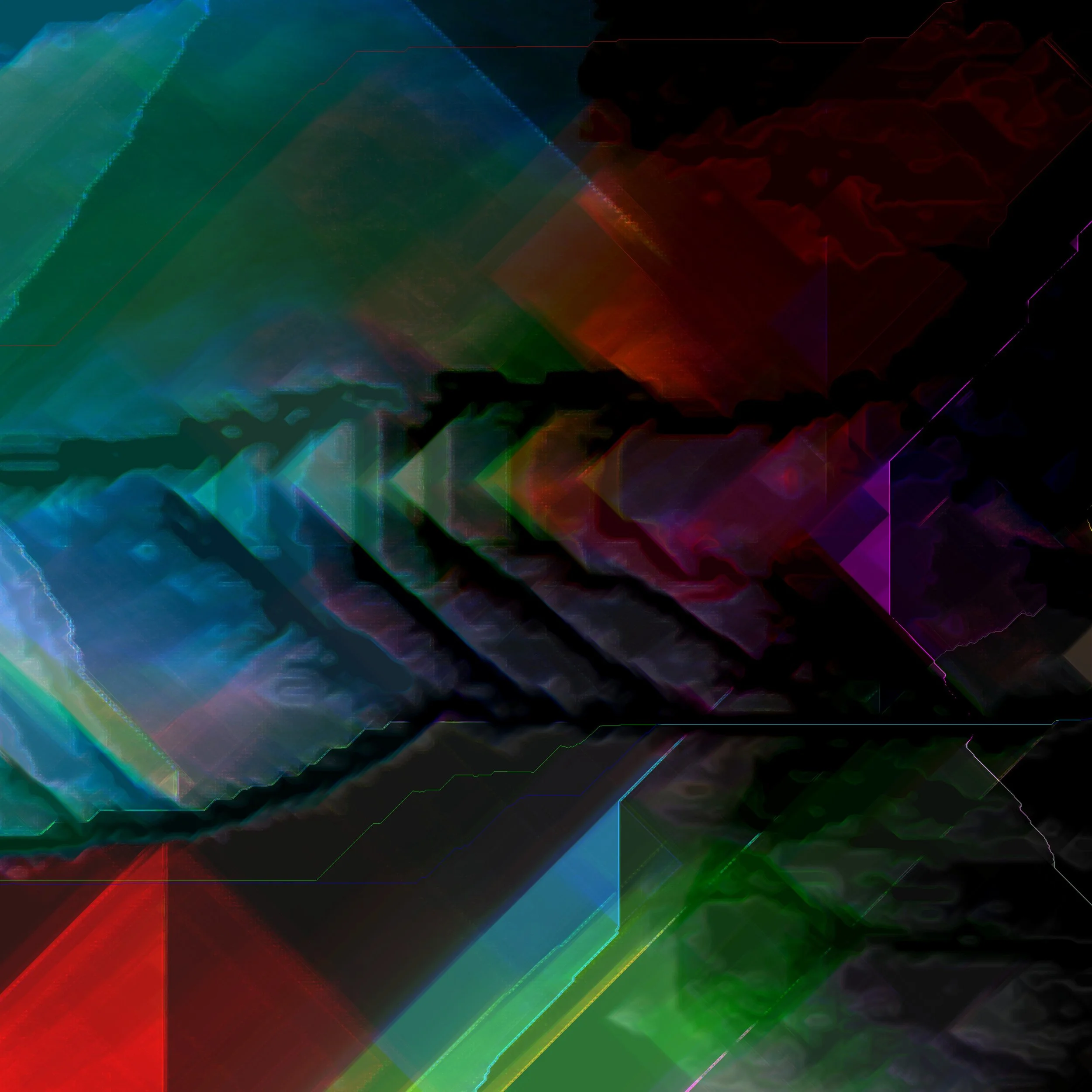
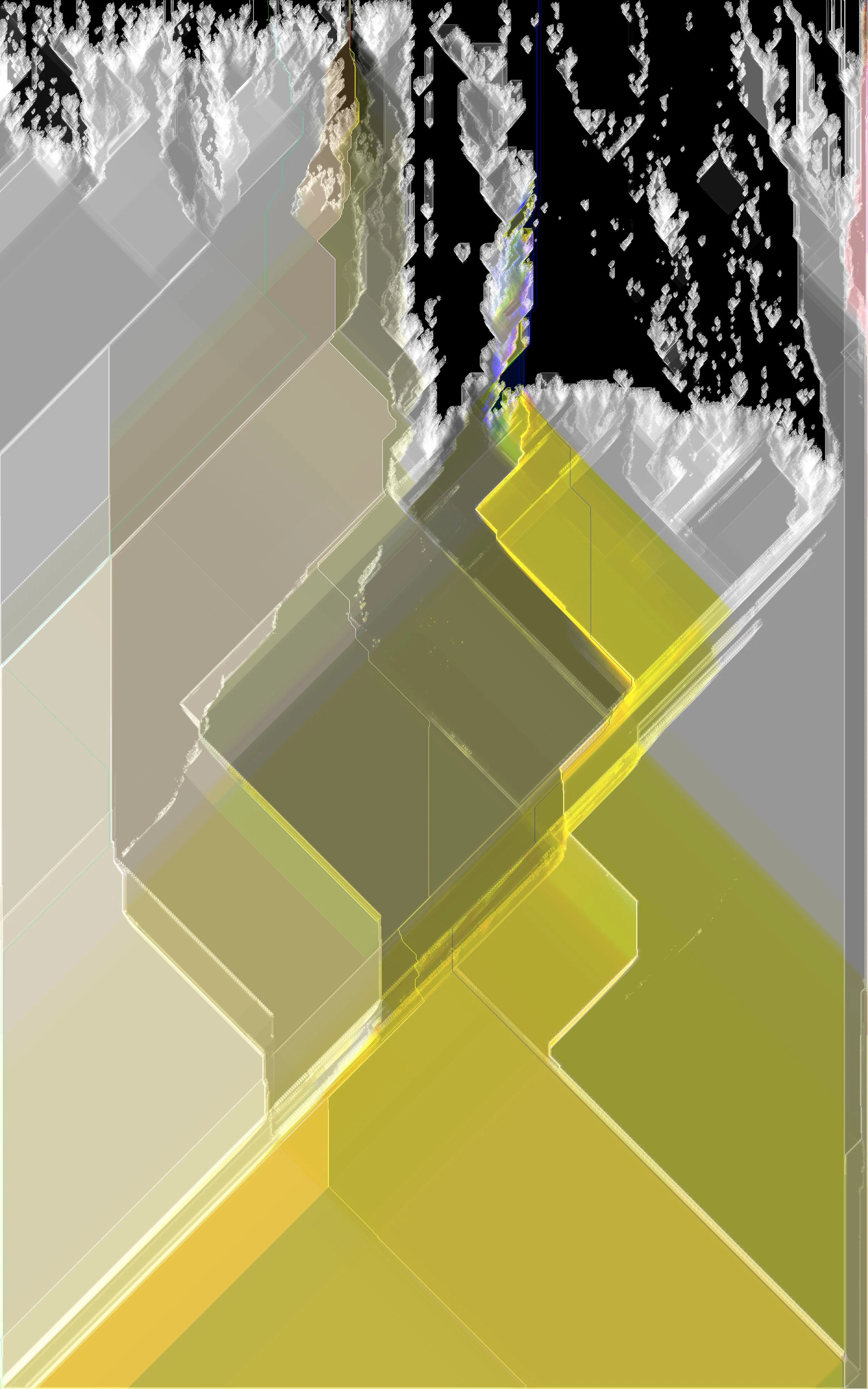
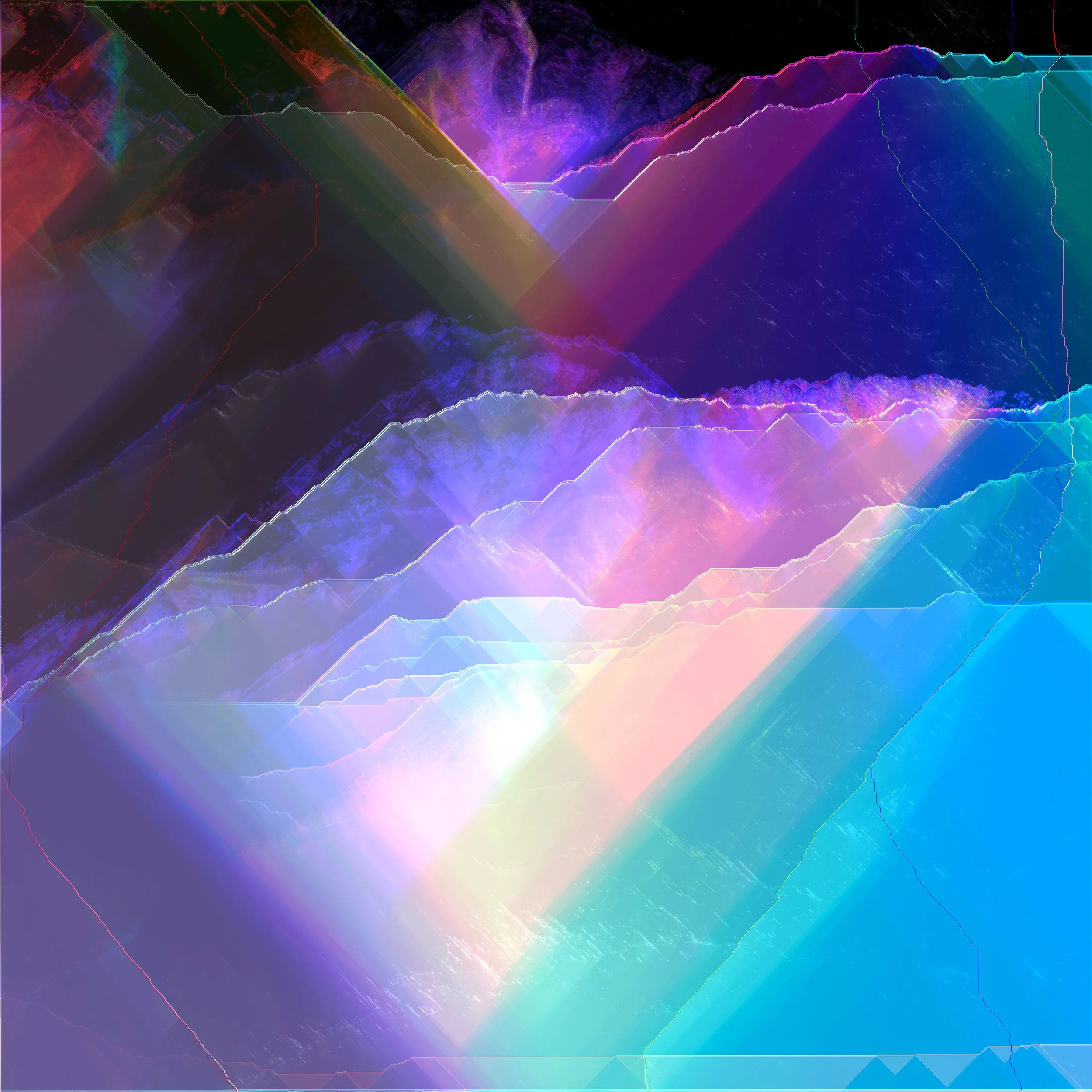
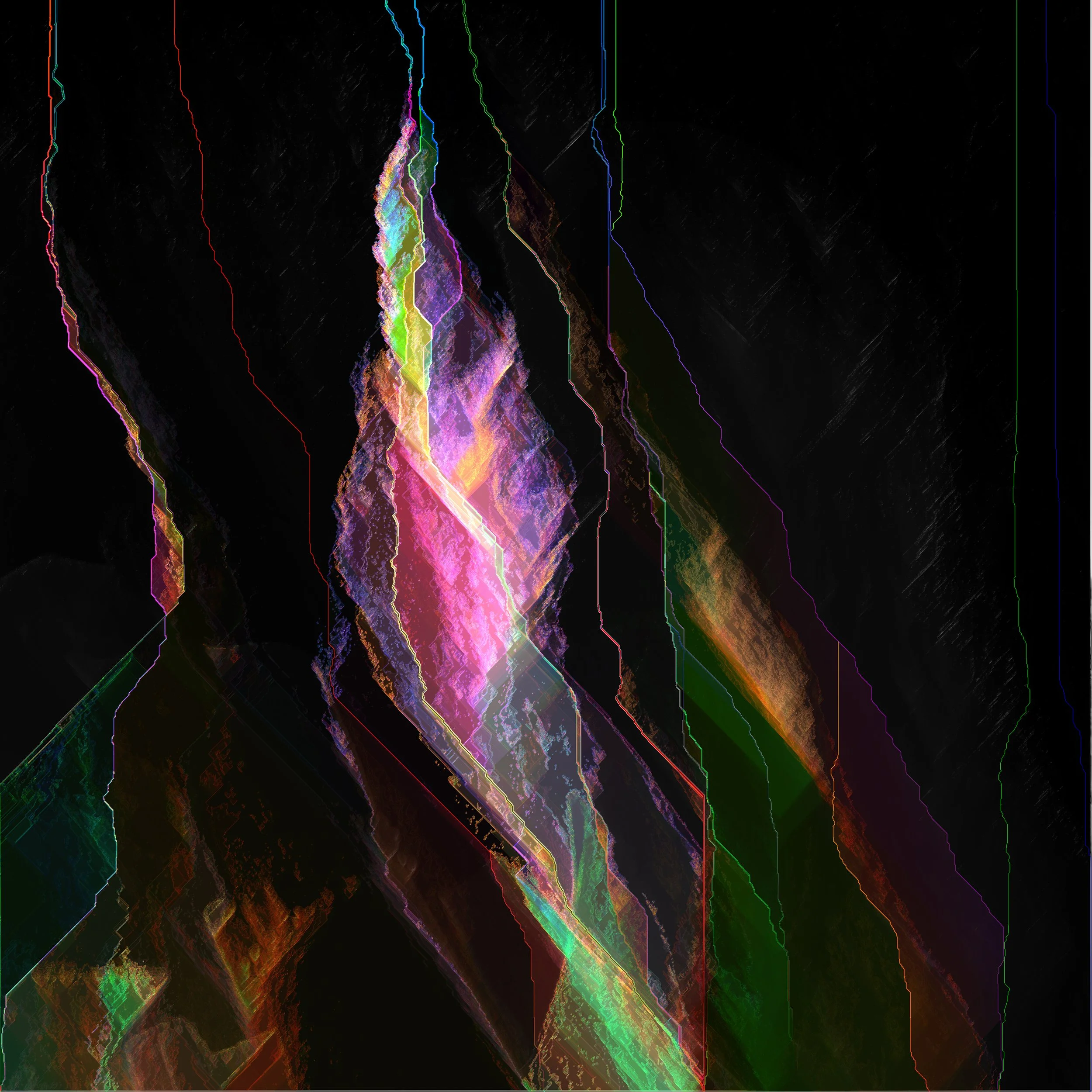
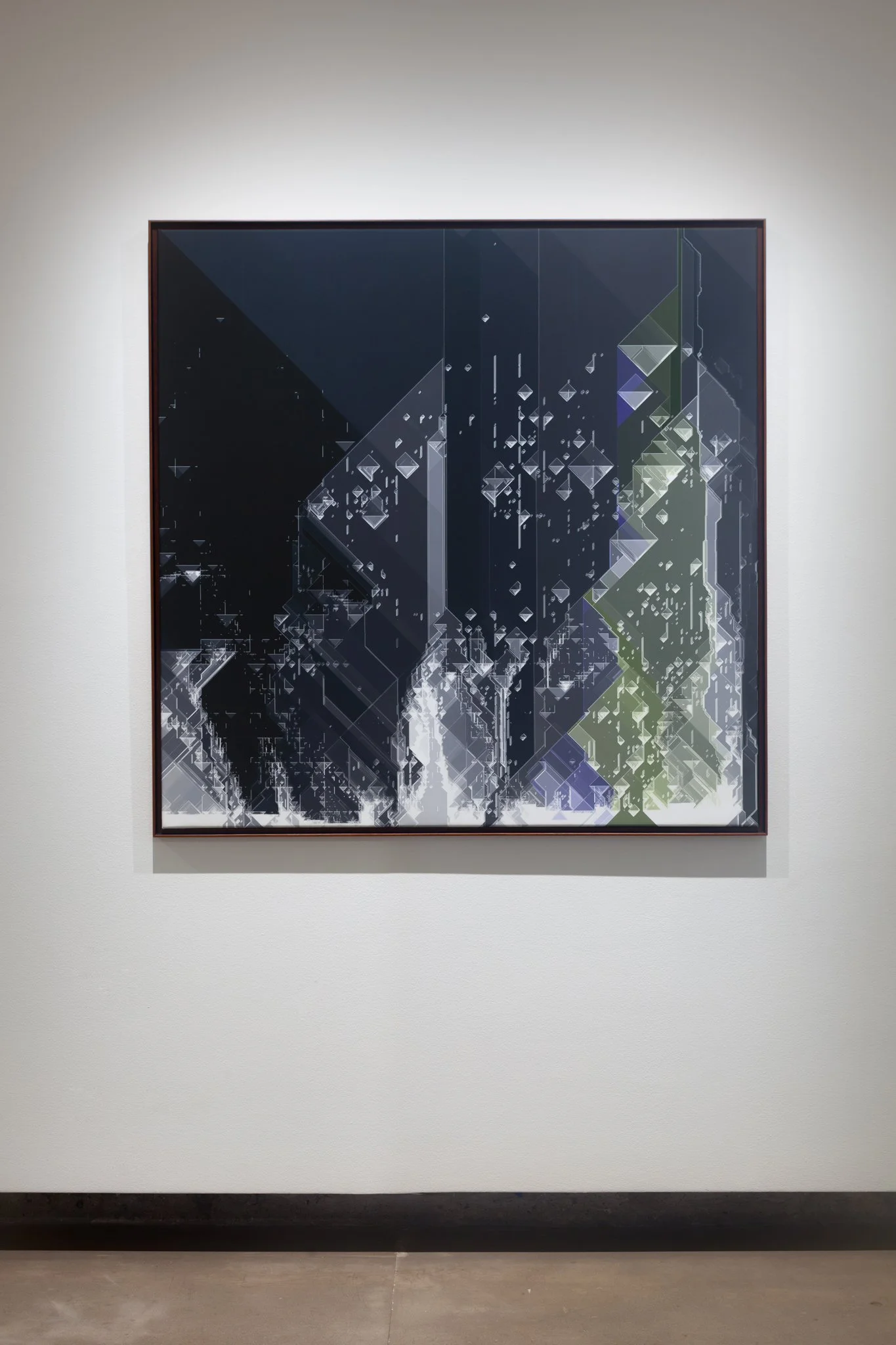
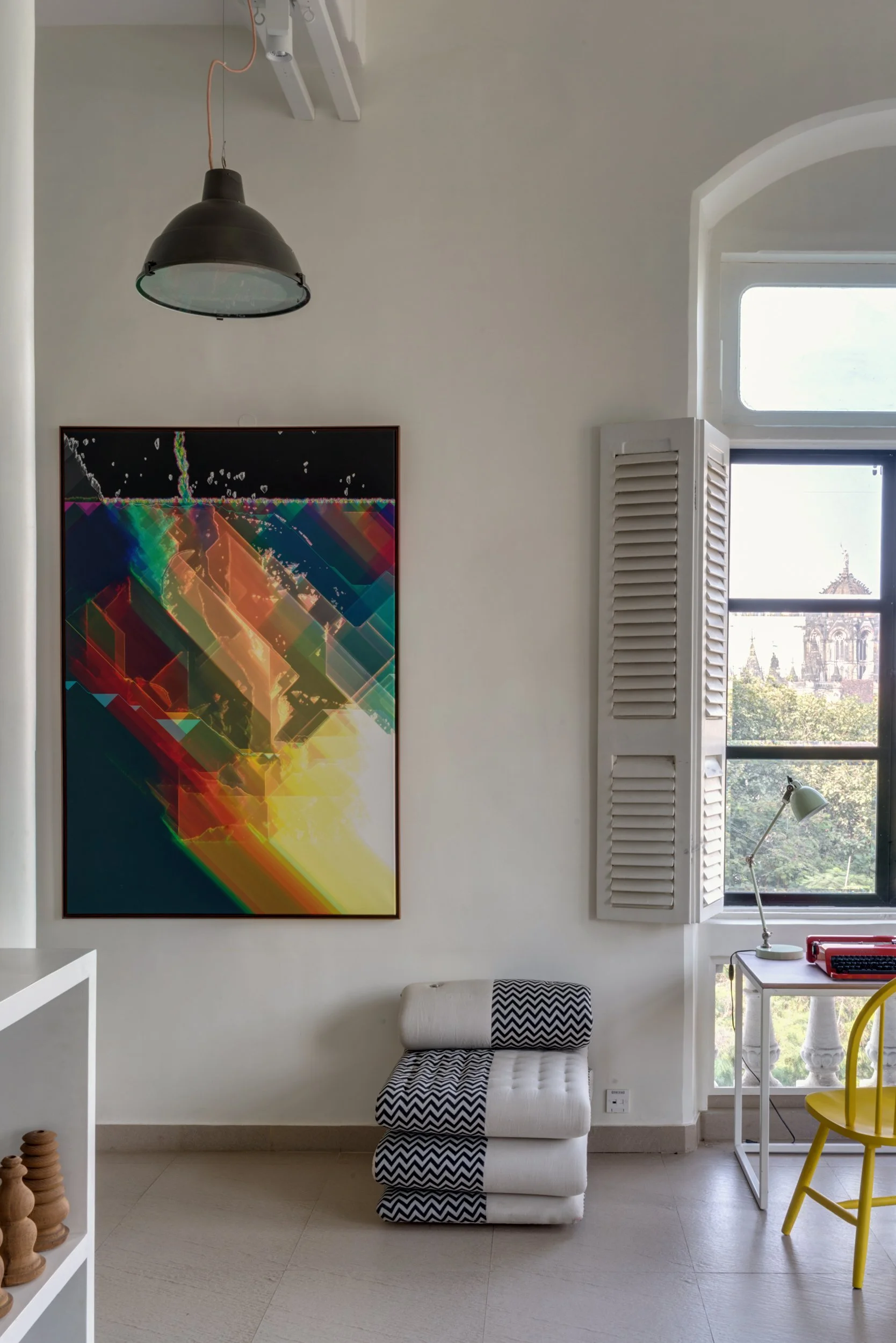
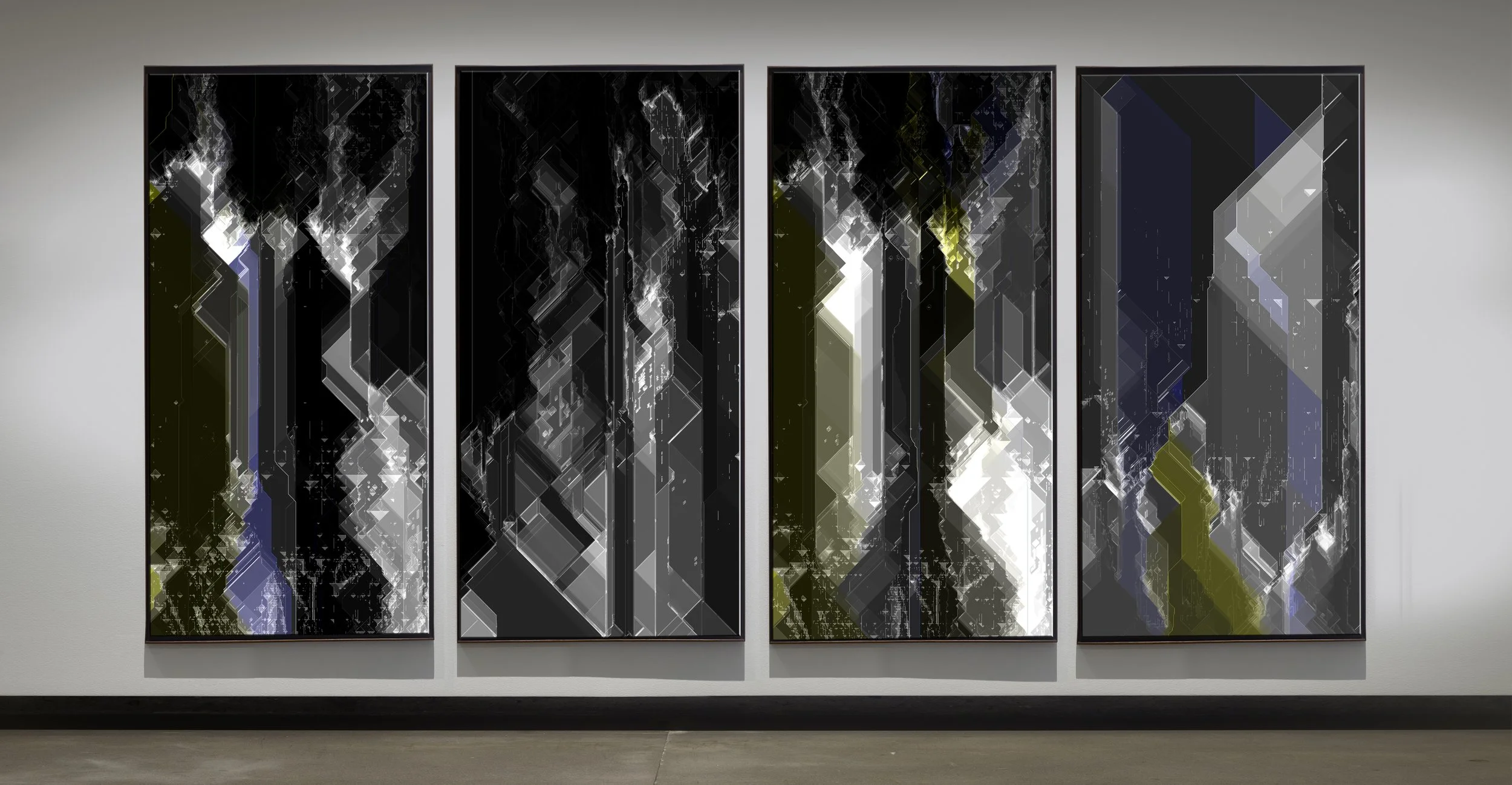
Each image was processed through a custom iterative algorithm that repeatedly measured and amplified the energy of its pixels. Over hundreds of thousands of cycles, recurring intensities strengthened while local details dissolved. Gradually the figurative scene disappeared and was replaced by radiant formations that seemed to organize themselves, creating crystalline fields of color and symmetry.
What emerges is not the kiss, but the hidden structure behind it: a portrait of social energy where intimacy becomes pattern and desire becomes code.
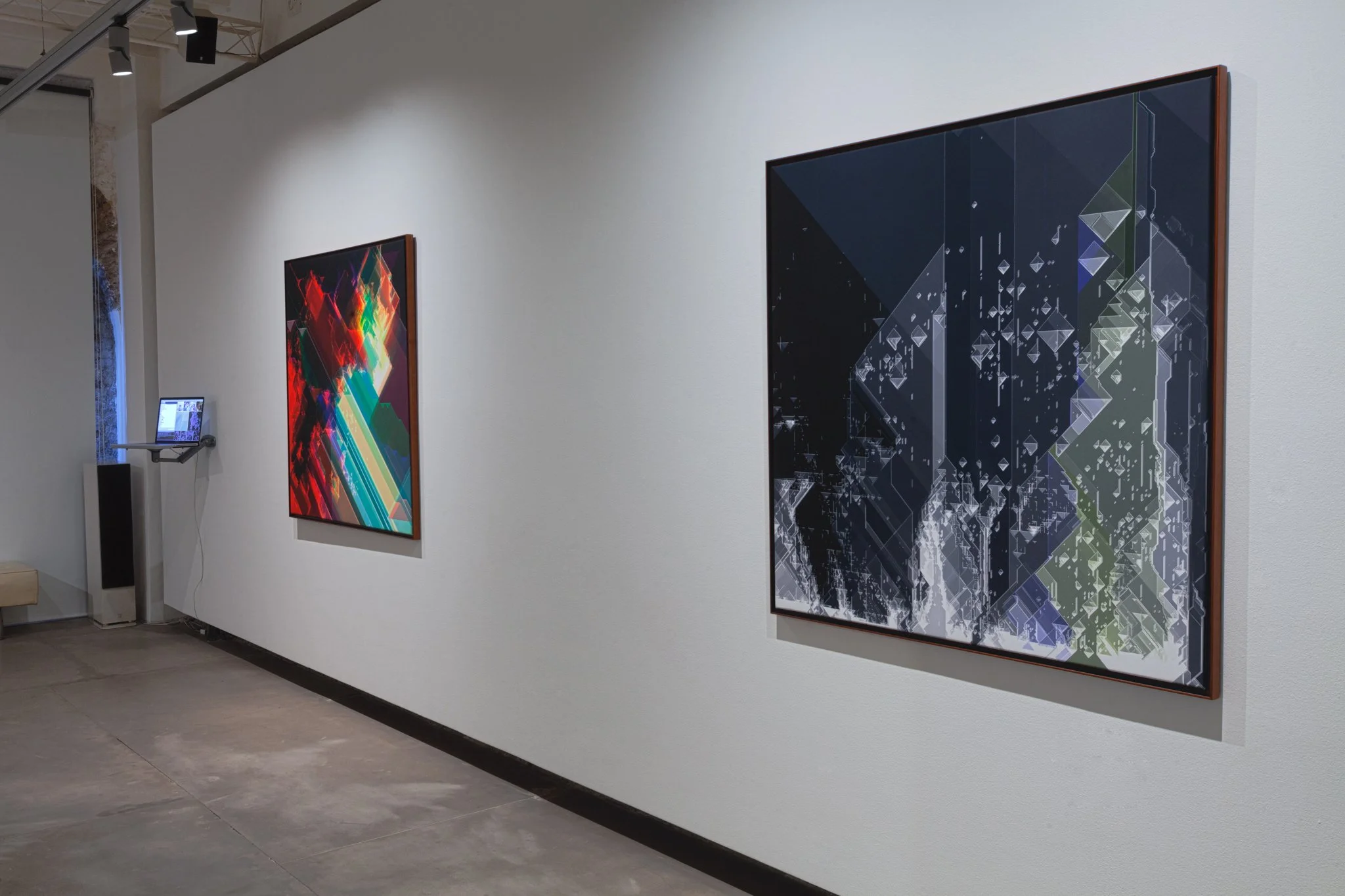
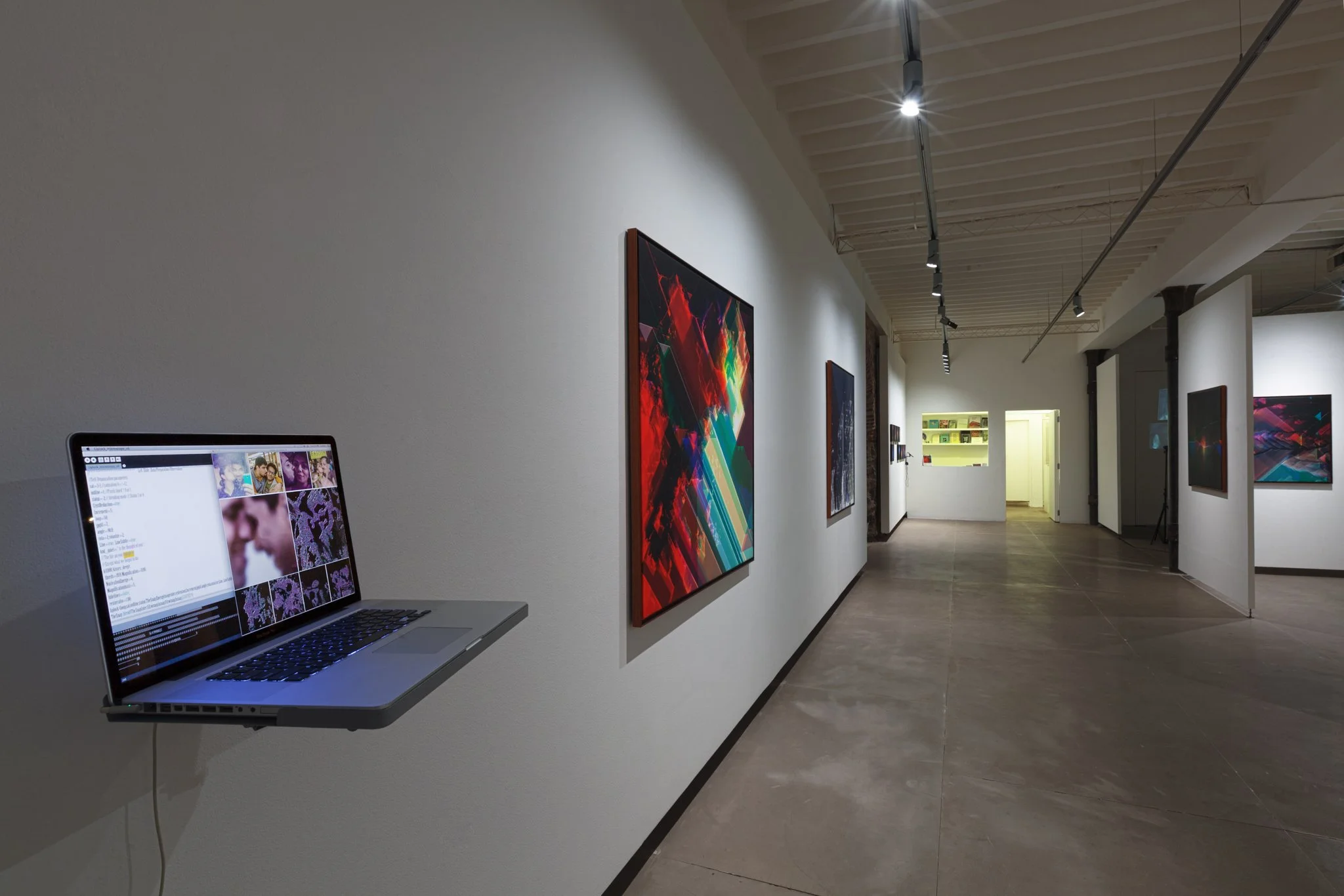
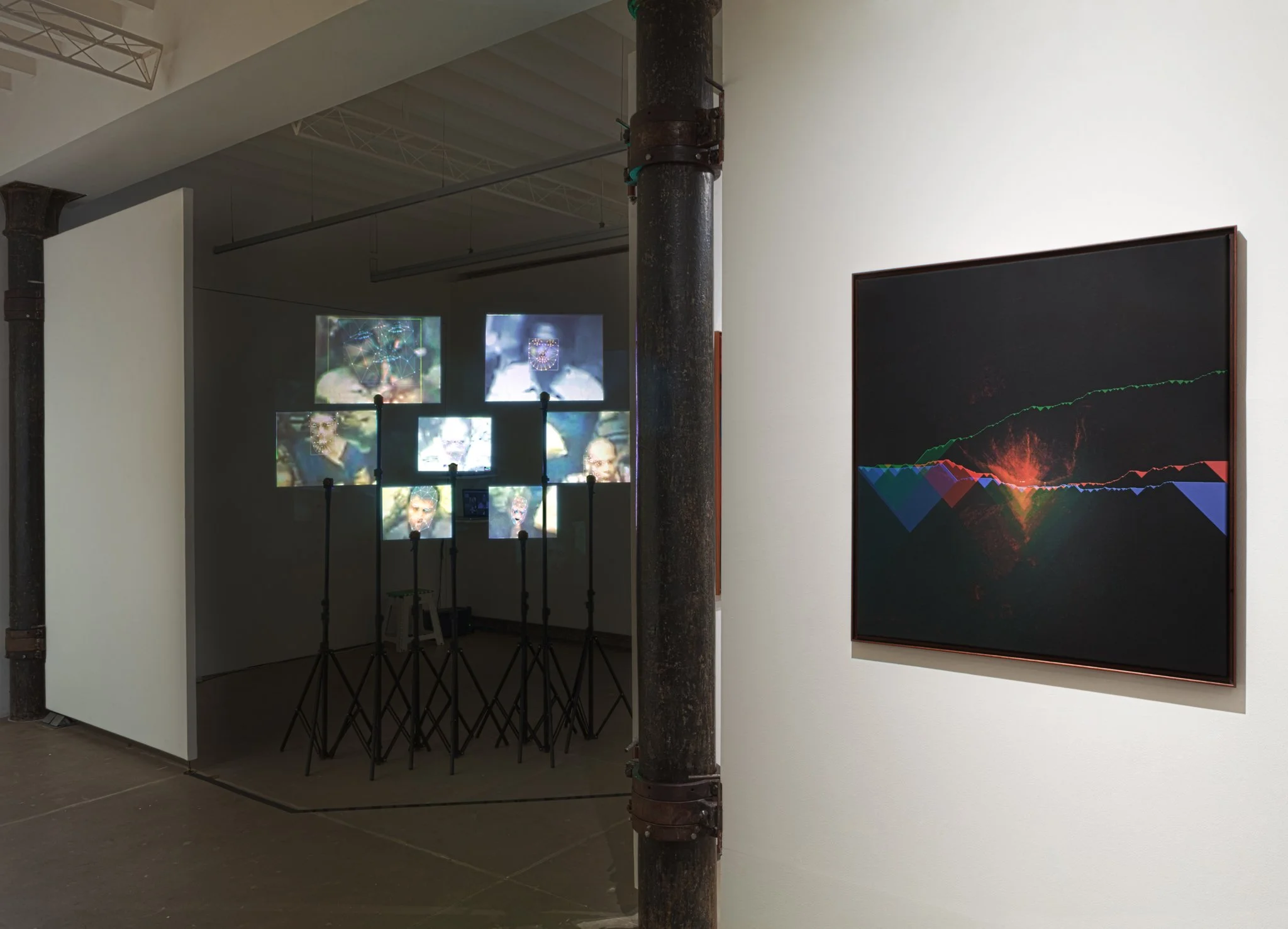
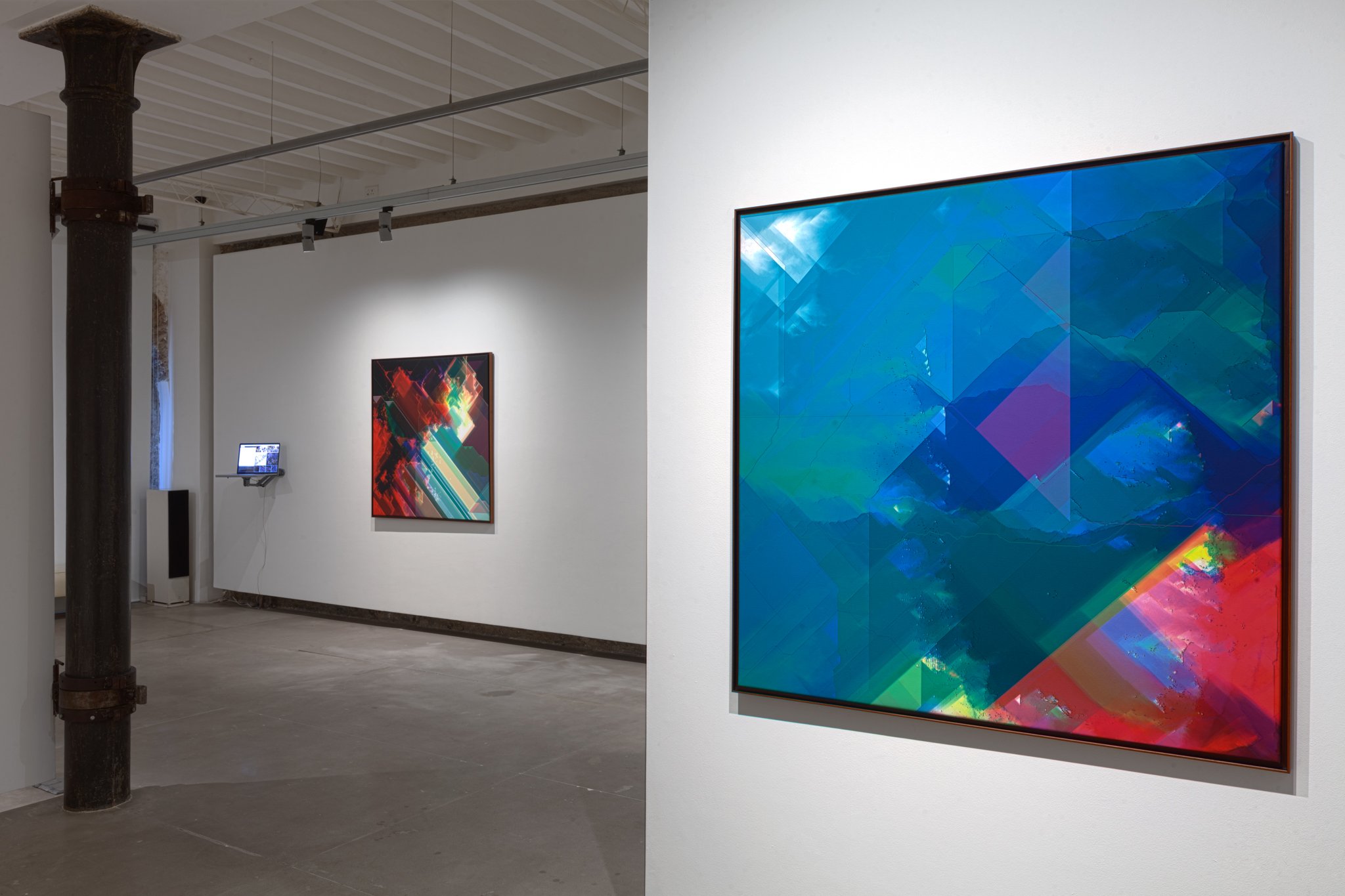
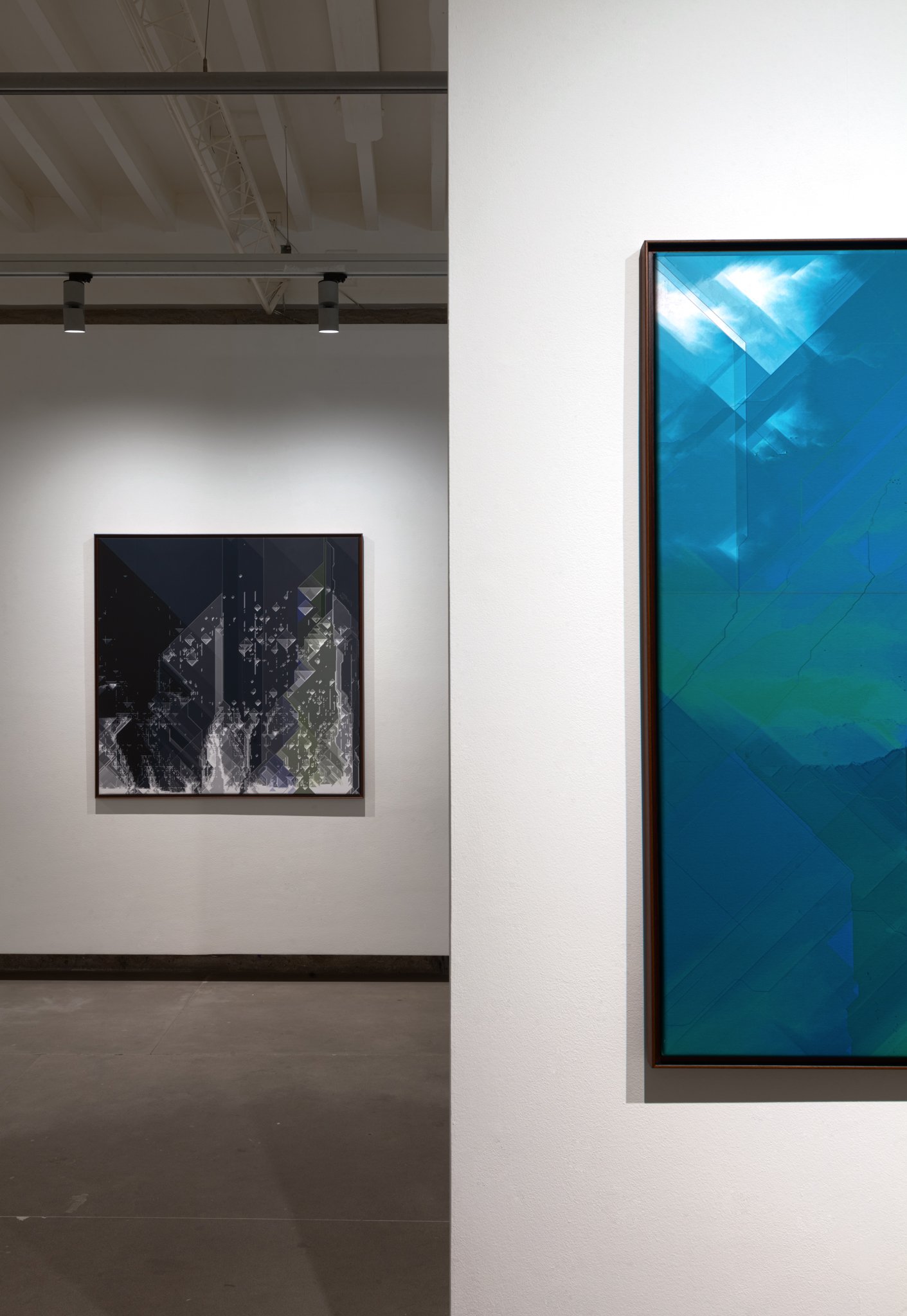
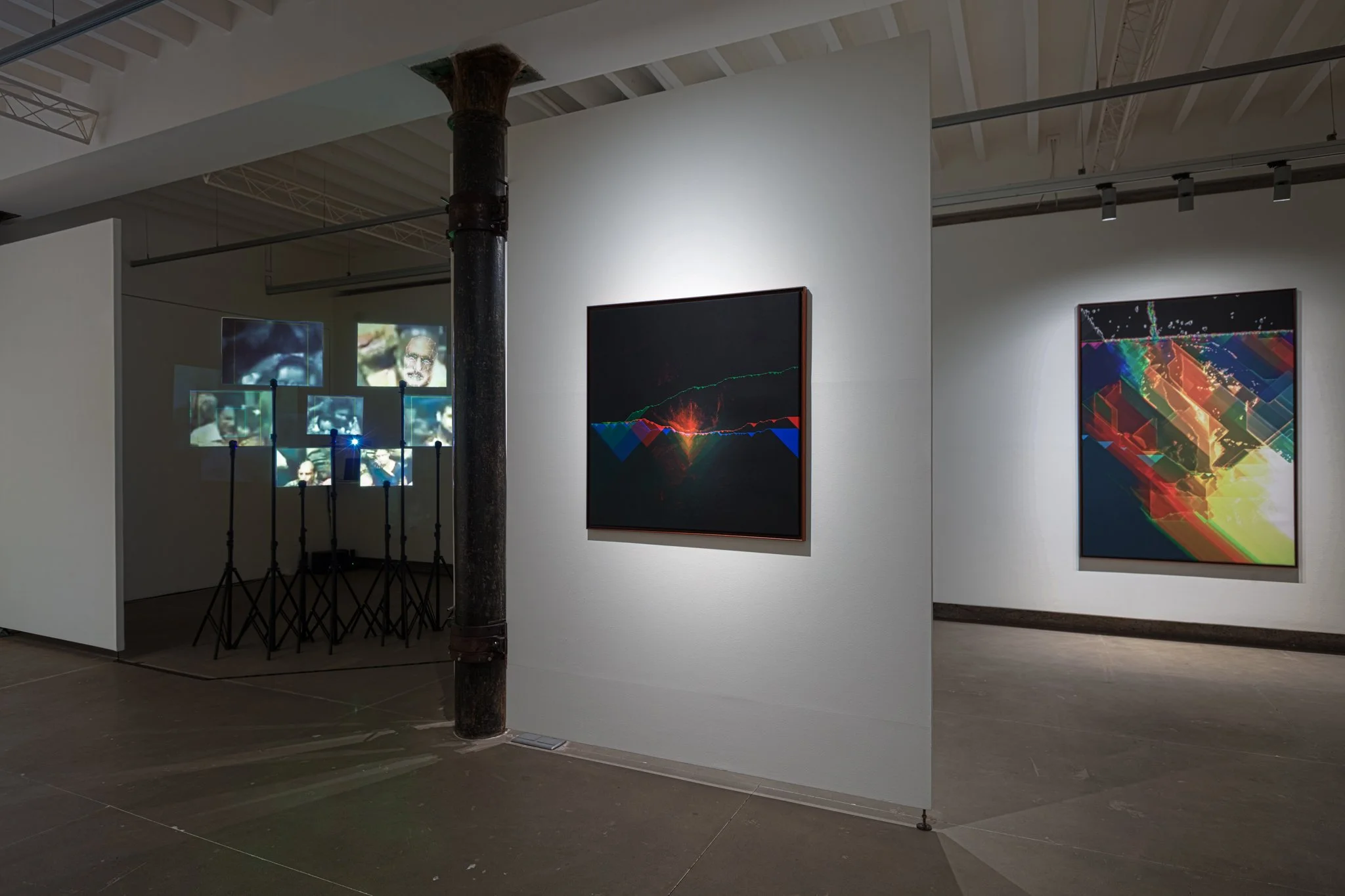
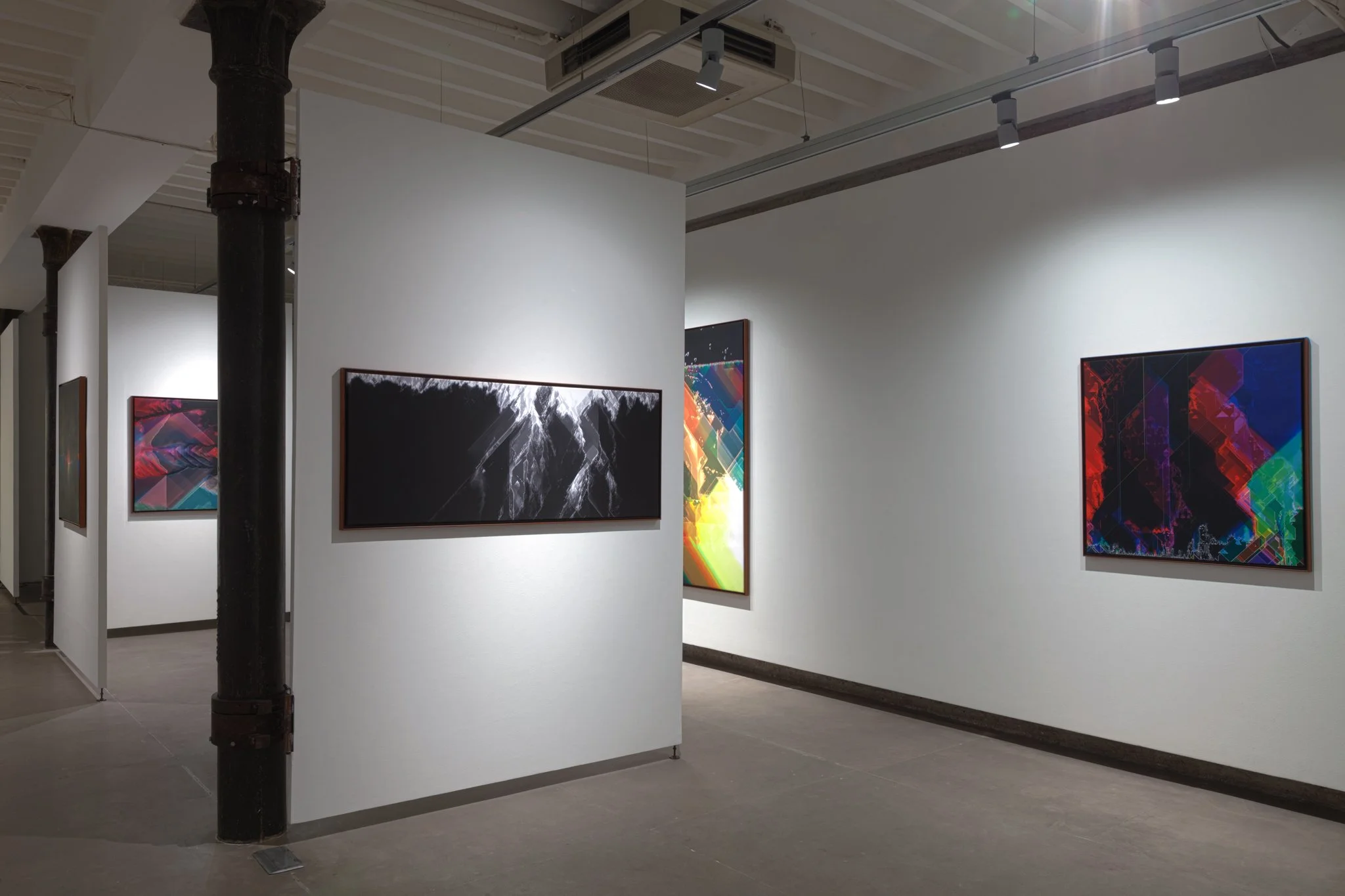
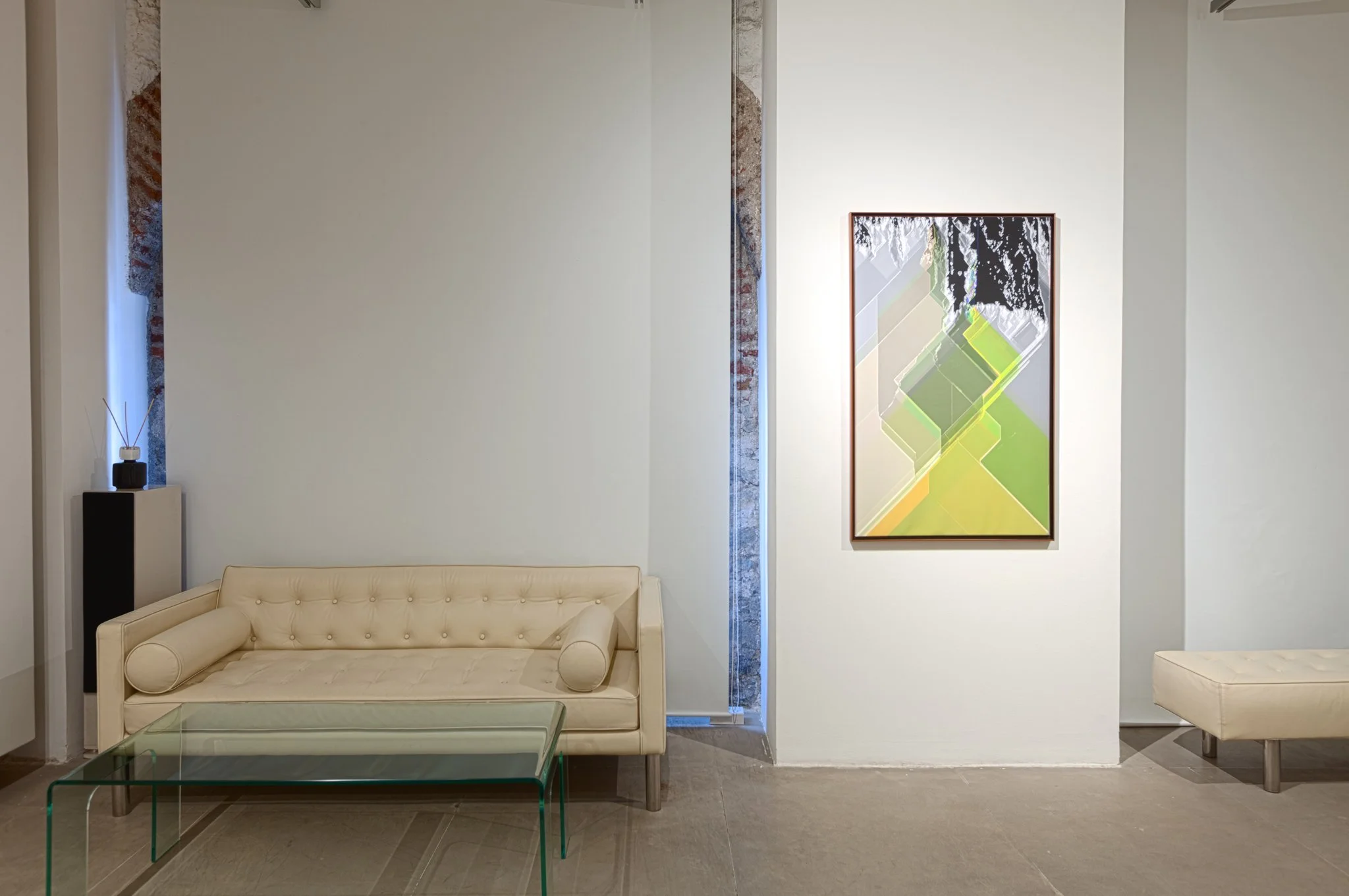
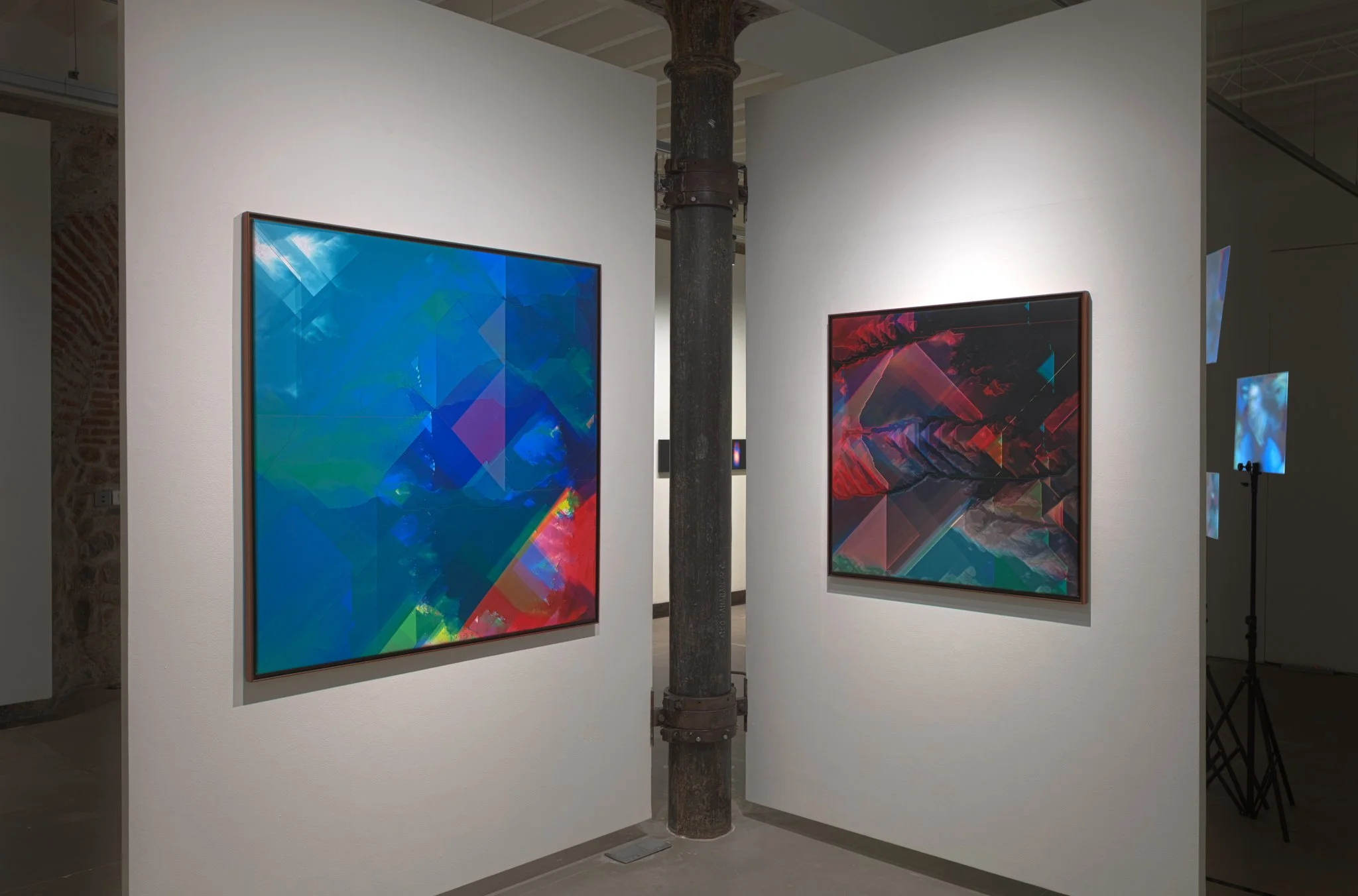
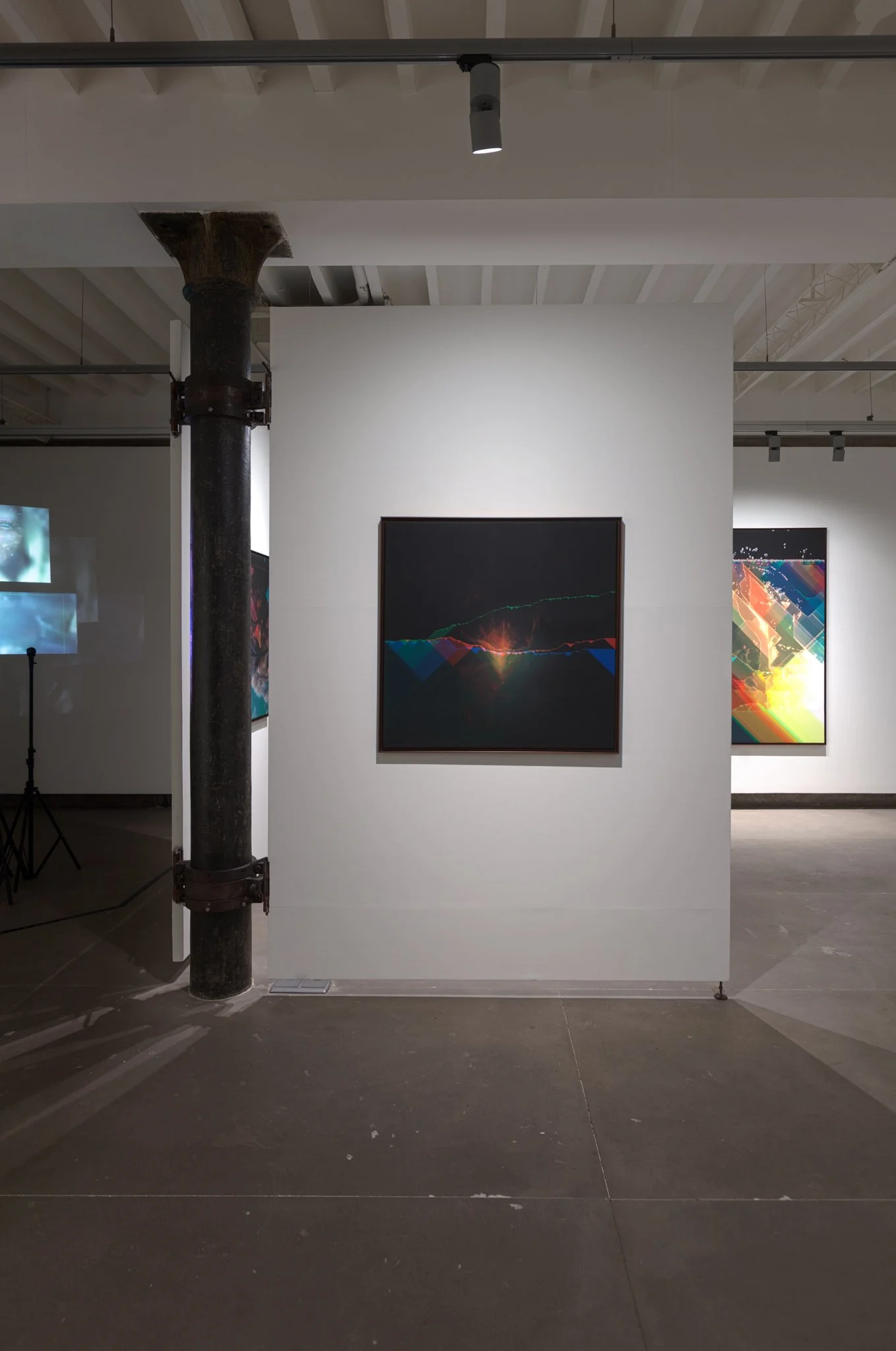
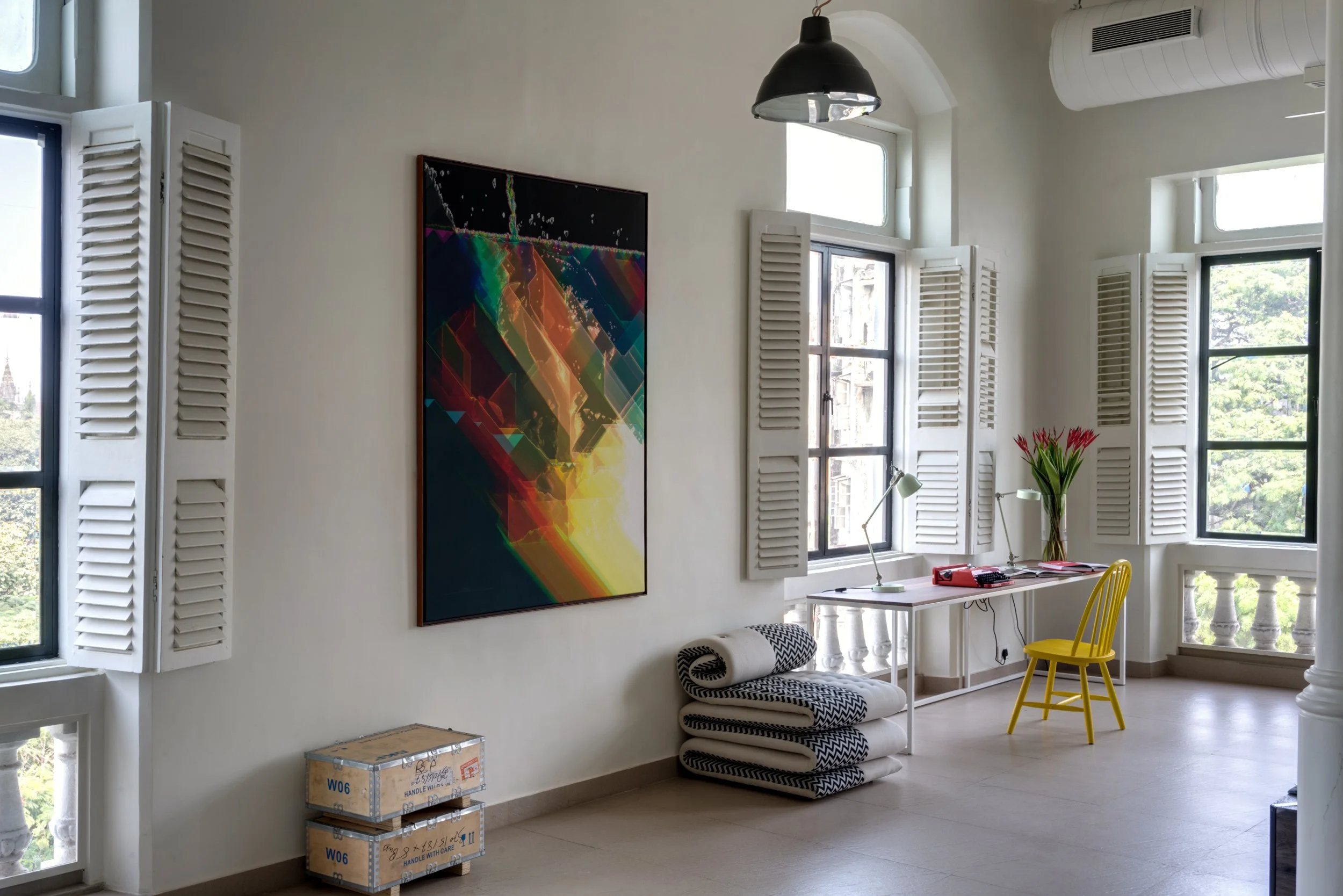




2015 — Chatterjee & Lal, Mumbai
Solo exhibition of A Thousand Kisses Deep.
2016 — OED Gallery, Kochi
Presented as part of a collateral exhibition during the Kochi-Muziris Biennale.
A Thousand Kisses Deep is a generative artwork created in 2015 during a moment when images of young couples kissing began circulating widely on Indian social media. These photographs marked a subtle cultural shift. Where public affection was once constrained by social norms, the digital network enabled a new form of shared visibility. The kiss, uploaded and reshared, became a small but potent signal of changing desires and generational confidence.
The project treats these photographs not as representations, but as complex digital objects shaped by human behavior, platform algorithms and the unstable meaning of images in networked systems. Once uploaded, a photograph no longer belongs solely to the person who took it or the moment it captured. It becomes a data entity, an index of social behaviour, and a circulating visual artefact whose meaning is constantly renegotiated across contexts. This instability forms the conceptual ground from which the work emerges.
Each photograph in the project was processed individually through a custom Java algorithm based on a pixel-energy function originally developed for seam carving. In its standard use, seam carving identifies pixels that carry high or low visual energy so that an image may be resized without damaging salient regions. In A Thousand Kisses Deep, this function was not used for resizing and no seams were removed. Instead, it was repurposed as a generative operator that repeatedly recalculated and redistributed the pixel-energy field of each image.
Through hundreds of thousands of iterative cycles, the algorithm evaluated how energy flowed across the image grid and modified the arrangement accordingly. What began as a figurative photograph gradually entered a state of computational flux. Over long durations of processing, the identifiable content of the original scene dissolved entirely. The couple, the gesture, the background and every trace of representation disappeared. What remained were crystalline formations that seemed to self-organize inside the image. Their shapes were not designed. They arose through the internal dynamics of the energy function acting repeatedly on the pixel field.
Early stages of the process produced unstable noise fields with no clear structure. But after prolonged iteration, a critical threshold was crossed. Coherence appeared suddenly and without warning, producing vibrant patterns of symmetry, intensity and colour. This moment of crystallization constitutes what can be called a generative epiphany — the instant when a hidden organizational structure becomes perceptible through sustained computational interrogation. The emerging forms could not be anticipated from the algorithm alone nor from the original photograph. They were the result of a prolonged encounter between a single image and an iterative computational process that amplified latent tendencies until a stable visual order surfaced.
Thousands of such transformations were generated across the five months of the project. Only a small selection was chosen for exhibition. The act of selection was central. The artwork was not the algorithm and not the dataset; it was the interpretive recognition of meaningful emergence. Each chosen image captured a specific moment where the system revealed a coherent internal logic, a moment when complexity resolved itself into perceptible form.
In these final crystalline structures, nothing of the original kiss remains. Yet the work is inseparable from the cultural moment that produced those images. The formations can be understood as abstract portraits of social energy, visualizations of how intimacy behaves when translated into computational matter. They reveal how desire reorganizes itself when carried by a network, and how the digital image contains within it layers of behaviour that are neither visible nor accessible through traditional representation.
A Thousand Kisses Deep stands as an early articulation of a broader methodological approach that would later develop into computational unfolding. It demonstrates how generative practice can excavate the internal architecture of digital images, revealing structures that exist beneath the surface of representation. The project positions the artwork not as the final image, but as the unfolding of the process itself — the sustained encounter with a system until its hidden order becomes visible, however briefly.
Generative Art
Vera Molnár
Algorithms as tools of discovery and emergent form.Georg Nees
Early experiments in rule-based visual systems.Manfred Mohr
Investigation of machine logic as artistic material.Celestino Soddu
Generative design and the aesthetics of self-organizing structures.
Media Theory
Wendy Hui Kyong Chun
Software, memory and the instability of digital systems.Daniel Rubinstein
The digital image as latent, unknowable and non-representational.Lev Manovich
Computational photography and digital image culture.Jacques Derrida
Undecidability and the oscillation between presence and absence.
Networked Image & Digital Culture
Hito Steyerl
Circulation, distribution and the politics of networked images.Benjamin Bratton
Planetary computation and the architecture of digital systems.Jorge Luis Borges
The infinite archive as a metaphor for meaning drift in online images.
Complexity & Emergence
Complex Systems Theory
Self-organization, phase transitions, emergent order.Digital Apophenia
Pattern formation arising from noise and interpretation.